As an Amazon Associate, we earn from qualifying purchases. Some links on this site are affiliate links at no extra cost to you. Our recommendations are based on thorough research and editorial judgment.


Best Dumbbell Exercises for Building Stronger Shoulders

For stronger shoulders, let’s consider a mix of dumbbell exercises like the standing and seated shoulder presses, and the dumbbell lateral raise, which target all deltoid areas. The standing press engages the deltoids, triceps, and core, while seated presses provide stability. Lateral raises focus on the medial deltoid. Adding 45-degree incline rows, Y raises, and rear delt flies can enhance shoulder and upper back stability. Explore these exercises for balanced and effective shoulder development.
Key Takeaways
- Standing Shoulder Press engages deltoids and triceps, promoting strong shoulder development with proper form and weight selection.
- Seated Shoulder Press offers stability, minimizing lower back strain while effectively targeting shoulder muscles.
- Dumbbell Lateral Raise primarily targets medial deltoids, enhancing shoulder width with controlled movements and light weights.
- 45-Degree Incline Row strengthens upper back and shoulders, using slow, controlled motions for effective muscle activation.
- Y Raise improves shoulder stability and upper body strength, focusing on medial deltoids and trapezius with light dumbbells.
Standing Shoulder Press
When it comes to building strong, well-defined shoulders, the standing shoulder press is a cornerstone exercise. It provides significant shoulder benefits by primarily engaging the deltoids and assisting muscles like the triceps and core. To maximize effectiveness, let’s focus on form corrections. Ensure our grip keeps dumbbells at shoulder height, palms forward, and maintain a straight back with engaged core throughout. Our feet should be shoulder-width apart, offering stability. As we press dumbbells overhead, avoiding momentum is crucial, and lowering them slowly enhances muscle engagement. Remember, form is key to preventing injuries, so avoid flaring elbows and select appropriate weights. For optimal training progression, consider using adjustable dumbbells that allow quick adjustment from lighter to heavier weights as your shoulder strength develops. By incorporating these techniques, we can safely enhance our shoulder strength and stability, contributing to overall upper body prowess.
Recommended Products

INDUSTRY LEADER: For 30+ years, Best Solid has held the widest array of products designed to meet the demands of the ever-changing fitness industry (home gym, free weight machines, treadmills, bikes, ellipticals, weight plates, kettlebells, dumbbells, flooring, accessories and more). Our products are cutting edge and reliable and are built for LifeYour Life.

The L07 smith machine has a small footprint and is suitable for domestic use, It helps you customize a fully functional fitness space in your home

L07 is constructed of commercial steel for structural stability and durability. Dimensions - The footprint is 48 inches long x 82.7 inches wide x 84.6 to 88.5 inches high. Unit can be used with 1-inch and 2-inch barbell plates.
Seated Shoulder Press

The seated shoulder press is a fundamental exercise for targeting our shoulder muscles with precision and support. By sitting with our back against a bench, we ensure stability, allowing for focused muscle activation primarily in the anterior deltoids. This setup minimizes the risk of injury by preventing excessive lower back arching, a common issue when standing. Holding the dumbbells at shoulder height with palms facing forward and neutral wrists enhances our control and reduces strain. As we press upward, engaging the triceps and scapular stabilizers, we should avoid locking our elbows to maintain tension. Slowly lowering the weights back down maximizes muscle activation and further reduces injury risk. This seated variation promotes proper posture and joint alignment, enhancing our shoulder development safely. For additional comfort and lower back support during seated exercises, consider using an ab mat positioned behind your lower back to maintain proper spinal alignment.
Recommended Products

INDUSTRY LEADER: For 30+ years, Body-Solid has held the widest array of products designed to meet the demands of the ever-changing fitness industry (home gym, free weight machines, treadmills, bikes, ellipticals, weight plates, kettlebells, dumbbells, flooring, accessories and more). Our products are cutting edge and reliable and are built for Life……Your Life.
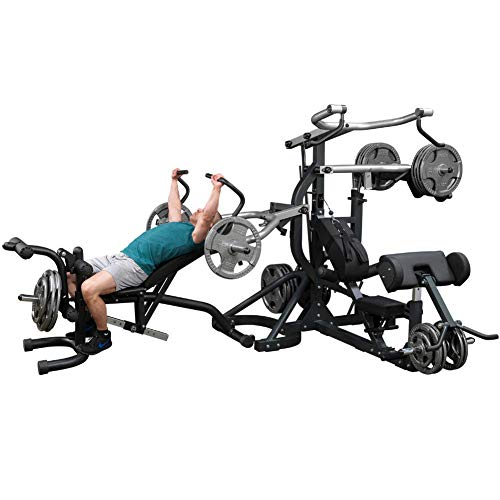
INDUSTRY LEADER: For 30+ years, Body Solid has held the widest array of products designed to meet the demands of the ever-changing fitness industry (home gym, free weight machines, treadmills, bikes, ellipticals, weight plates, kettlebells, dumbbells, flooring, accessories and more). Our products are cutting edge and reliable and are built for Life……Your Life.
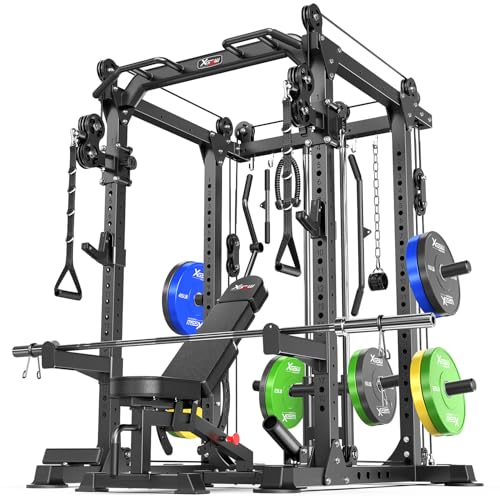
【Sturdy and Durable Home Fitness Station】The home fitness system is made of heavy-duty steel frame, which ensures structural stability and durability. With a footprint of 62.7 “L x 59.8 ‘W x 83.4 ’H, L02, and a total bare machine weight of 590 lbs, it can withstand up to 1500 lbs of weight during training with great stability.
Dumbbell Lateral Raise
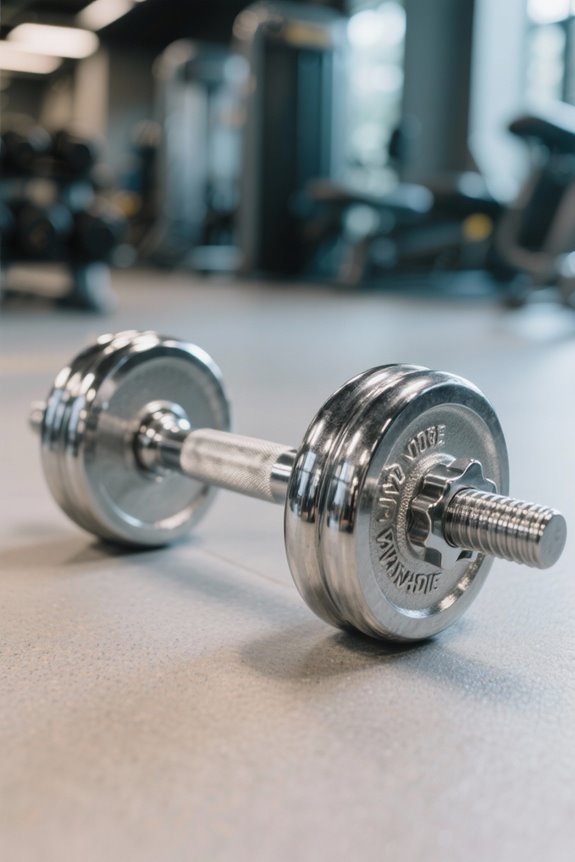
Shifting our focus from the seated shoulder press, let’s explore the dumbbell lateral raise, a fundamental exercise in our shoulder training arsenal. This move primarily targets the medial deltoid, ensuring optimal deltoid engagement with minimal help from other muscle groups. By incorporating lateral raise variations, like bent-arm raises or cable versions, we can enhance medial deltoid recruitment, keeping tension consistent through a greater range of motion.
For proper technique, we stand with feet hip-width apart, slight knee bend, and dumbbells at our sides. Lifting to just below shoulder height, with elbows slightly bent, ensures maximal deltoid focus. We must avoid excessive shrugging to keep the work on the deltoids, not the traps. Using light weights, we maintain control, preventing momentum from diminishing effectiveness. When performing high-rep lateral raises, consider using gym gloves with high-density sponge padding to prevent blisters and maintain a secure grip throughout the movement.
Recommended Products

Constructed of specially selected hides of thick, full grain leather for the ultimate in longevity and durability

Constructed of specially selected hides of thick, full grain leather for the ultimate in longevity and durability

ENGINEERED FOR WOMEN'S HANDS & VERSATILE ENOUGH FOR MEN : Experience unmatched quality with our boxing gloves for men and women, expertly designed for heavy bag workouts, sparring, and boxing machines. Available in 12 oz, 14 oz, and 16 oz sizes, these gloves provide ultimate comfort and protection, tailored specifically for women’s hands to ensure a secure, natural fit during every punch.
45-Degree Incline Row

To get the most out of our shoulder workouts, let’s dive into the degree incline row, an exercise that offers a unique challenge to our upper back and shoulder muscles. By setting the bench between 30–45 degrees, we optimize the incline row benefits, ensuring a full range of motion while keeping form corrections in check. Our chest stays flat against the bench, with a neutral grip on the dumbbells, allowing us to focus on latissimus dorsi, rhomboids, trapezius, and rear deltoids without stressing our shoulders.
We should pull the dumbbells toward our hips, keeping our shoulders retracted and down. Maintaining a slow, controlled motion prevents momentum, enhancing muscle activation. Adjusting the bench angle and grip helps tailor the exercise to individual needs, correcting muscular imbalances. To protect our wrists during heavy lifting sessions, consider using wrist wraps that provide essential support and stability while maintaining proper form throughout the movement.
Recommended Products

HOME GYM: The XMark Functional Trainer Cable Machine features dual 200 lb weight stacks with 2:1 resistance ratio, 19 adjustment levels, and a super, smooth cable pulley system, that will challenge everyone in your household.

INDUSTRY LEADER: For 30+ years, Body-Solid has held the widest array of products designed to meet the demands of the ever-changing fitness industry (home gym, free weight machines, treadmills, bikes, ellipticals, weight plates, kettlebells, dumbbells, flooring, accessories and more). Our products are cutting edge and reliable and are built for Life……Your Life.

INCLUDES: Power rack with dual pullup bars, 1.25 inch standard and 2 inch fat-grip, AB-3000 incline/decline bench, lat/row attachment, dip attachment, and weight storage
Y Raise

Let’s dive into the Y Raise, a dynamic exercise that targets our shoulders with precision and care. By focusing on the dumbbell technique, this movement enhances shoulder stability, crucial for overall upper body strength. Start by holding light dumbbells with a slight bend in our elbows, raising them in an arc to form a Y shape. Keep thumbs pointing up to ensure proper shoulder positioning. Engage our core to prevent back arching, maintaining a stable posture throughout.
This exercise primarily activates our medial deltoids and trapezius muscles, reinforcing scapular stability. Begin with light weights, around 2.5 to 5 pounds, to master form and gradually increase as we build strength. Remember, controlled breathing and slow execution maximize muscle engagement and minimize injury risk. After completing Y raises, consider using foam rollers for post-workout muscle recovery to relieve shoulder tightness and enhance flexibility.
Rear Delt Fly
When it comes to honing the rear deltoid muscles, the rear delt fly stands out as an essential exercise in our shoulder workout arsenal. Utilizing dumbbells, this exercise allows for exceptional muscle isolation and comes with various exercise variations. We can choose between standing and seated positions, each offering different stability and engagement levels.
To perform effectively, we need to maintain a torso angle of 30–45 degrees, keep our core tight, and use lighter dumbbells for proper form. By squeezing our shoulder blades together and keeping our arms slightly bent, we enhance the rear deltoid contraction. Let’s aim for 3-4 sets of 10-12 reps, ensuring slow, controlled movements to avoid common mistakes like diagonal movement and overbending elbows, guaranteeing optimal results. For those with existing shoulder concerns or injuries, wearing supportive gear with professional-grade compression can help optimize blood circulation and provide additional stability during these movements.
Recommended Products

Handle twist quickly adjusts weight in 5 lb. increments

The Original NUOBELL : Premium 5–80 lb Adjustable Dumbbells for Home Gym Training - These authentic SMRTFT NUOBELL adjustable dumbbells deliver smooth weight changes and dependable performance across the full 5–80 lb range. A true adjustable dumbbells set built for serious home gym athletes.

32 Dumbbells in 1 for Total Body Workout – Designed for both men and women, the Nuobell adjustable dumbbells offer a range of adjustable weights from 5 to 80 lbs, perfect exercise equipment for a complete home workout.
Frequently Asked Questions
How Can I Prevent Shoulder Injuries During Dumbbell Workouts?
Let’s prevent shoulder injuries during dumbbell workouts by ironically remembering we’re not invincible. Focus on shoulder stability through proper warm-ups and gradual load increases. Injury recovery isn’t fun, so let’s prioritize safety over ego in our routines.
What Warm-Up Exercises Are Recommended Before Shoulder Training?
Let’s kick off with dynamic stretches targeting all shoulder planes. Add mobility drills like T-spine foam rolling and banded face pulls. These exercises raise blood flow, enhance flexibility, and prepare us for effective shoulder training.
How Often Should I Train Shoulders for Optimal Growth?
We should aim for shoulder training frequency of 2-3 times per week for optimal growth, ensuring we allow optimal rest of 48-72 hours between sessions to balance stimulus and recovery while minimizing the risk of injury.
Can I Build Strong Shoulders Without Heavy Weights?
Yes, we can build strong shoulders without heavy weights. Remember Jane, who improved her shoulder stability using resistance bands alongside light dumbbells. Consistent training and varied exercises enhanced her strength, showing it’s entirely possible without heavy lifting.
What Are the Signs of Overtraining My Shoulder Muscles?
We might notice muscle fatigue, joint pain, and reduced range of motion in our shoulders. If these persist, they’re signs of overtraining. Let’s focus on recovery techniques like rest, hydration, and proper nutrition to support healing.


