As an Amazon Associate, we earn from qualifying purchases. Some links on this site are affiliate links at no extra cost to you. Our recommendations are based on thorough research and editorial judgment.


Comparing Adjustable Benches: Flat Vs Incline Vs Decline

When comparing adjustable benches—flat, incline, and decline—we’ve found each offers unique benefits. Flat benches provide stability, crucial for building pressing strength, while a 25-30° incline targets the upper chest effectively. Decline benches, with angles from 15-30°, focus on the lower chest. construction is key; look for steel frames and ladder-style adjustments. Prices vary, with flat starting at $125, incline benches from $189, and decline models over $500. Exploring these details can guide your choice further.
Key Takeaways
- Flat benches provide stability and are ideal for building pressing strength with middle chest activation.
- Incline benches feature adjustable angles to target upper chest muscles effectively, maximizing activation at 25-30° angles.
- Decline benches emphasize lower chest engagement, with angles from 15° to 30° for focused muscle activation.
- Modern adjustable benches offer smooth transitions between flat, incline, and decline positions for varied workouts.
- Adjustable benches provide versatility with features like ladder-style adjustments and foldable designs for space efficiency.
Key Features and Benefits of Flat, Incline, and Decline Benches
When it comes to choosing the right bench for your workout routine, understanding the key features and benefits of flat, incline, and decline benches is essential. Flat benching techniques focus on stability, offering a straightforward setup perfect for building pressing strength. The fixed horizontal position ensures balanced motion, reducing shoulder and wrist stress. On the other hand, incline bench benefits include adjustable angles from 10° to 70°, which allow for targeted upper chest development. This customization enhances chest workouts by engaging the anterior deltoids more intensely. Lastly, decline benches, with their 15° to 30° downward angles, emphasize lower chest engagement and reduce shoulder stress. These combined features provide a comprehensive approach to chest development, ensuring varied and effective workouts. Modern adjustable benches offer multiple backrest adjustments for enhanced versatility, allowing users to seamlessly transition between flat, incline, and decline positions within a single piece of equipment.
Recommended Products

HOME GYM: The XMark Functional Trainer Cable Machine features dual 200 lb weight stacks with 2:1 resistance ratio, 19 adjustment levels, and a super, smooth cable pulley system, that will challenge everyone in your household.

DELUXE SMITH CAGE - The Marcy Pro Deluxe Smith Cage Home Gym System is a smith machine and power rack in one. Use the ultra-smooth chrome smith machine to safely workout on your own. And use the included bar catch / safety catches to complete squats, presses, and more.
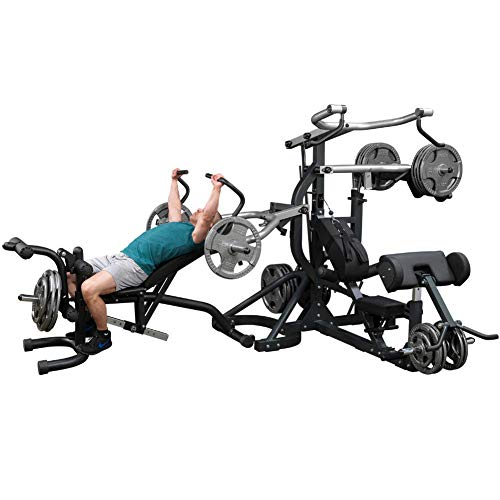
INDUSTRY LEADER: For 30+ years, Body Solid has held the widest array of products designed to meet the demands of the ever-changing fitness industry (home gym, free weight machines, treadmills, bikes, ellipticals, weight plates, kettlebells, dumbbells, flooring, accessories and more). Our products are cutting edge and reliable and are built for Life……Your Life.
Muscle Activation and Targeted Areas by Bench Angles

Understanding muscle activation and targeted areas by bench angles can significantly enhance our workout effectiveness. Let’s dive into how different angles impact our muscle engagement. Incline bench angles of 25-30° are ideal for maximizing upper chest activation. Although the difference between flat and mild incline (28-30°) isn’t statistically significant, a 30° incline tends to boost upper chest engagement the most. However, inclines beyond 30° might overly engage shoulder muscles, reducing focus on the chest.
For the middle chest, the flat bench (0°) reigns supreme, activating this area more than incline or decline angles. Meanwhile, decline angles (-25° to -30°) excel at targeting the lower chest, improving its definition. Each angle offers unique benefits, ensuring we can tailor our workouts to specific goals. When setting up your bench press routine, consider pairing your adjustable bench with a power cage that includes safety spotter arms to ensure maximum protection during heavy lifts at various angles.
Construction, Durability, and Weight Capacity Considerations
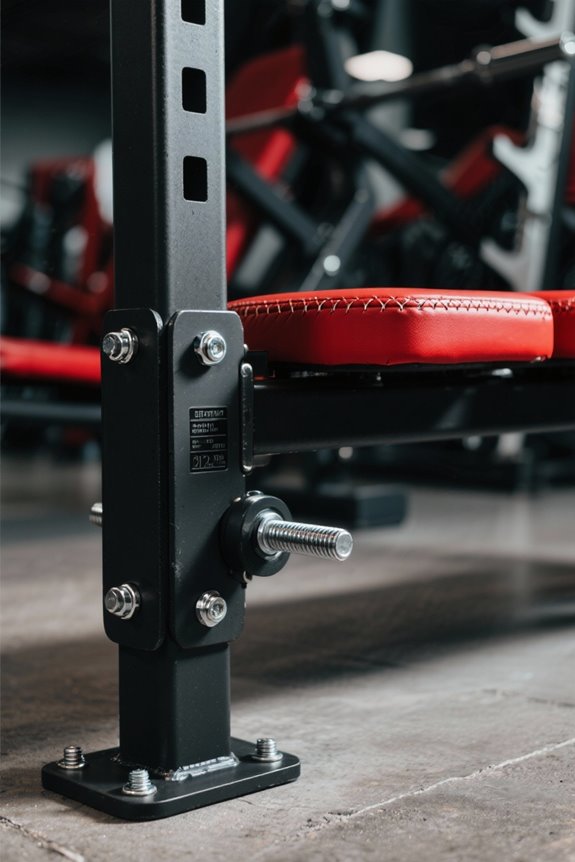
Let’s delve into the elements that make an adjustable bench sturdy, durable, and capable of handling significant weight. Our focus is on the construction materials, durability factors, weight capacities, and frame stability. High-quality benches boast steel frames, with 7- to 14-gauge thickness enhancing durability. Commercial models often feature heavy-duty 2″ x 3″ steel tubing, ensuring robust construction. A single-post front design can provide added stability, minimizing wobble. The weight capacity varies, with some models supporting up to 1,300 pounds, thanks to thicker steel bases like the 5-gauge Major Fitness Adjustable Bench. Cushioning matters too—2-3 inches of foam padding and durable vinyl upholstery ensure comfort and longevity. For optimal stability, manufacturers recommend a minimum frame thickness of 2.7 inches to enhance overall structural integrity. These elements combine to create a reliable bench that withstands rigorous use.
Recommended Products

Heavy-Duty 100-Inch Capacity: This sheet metal brake handles 12-gauge mild steel stainless steel copper and aluminum with a solid welded frame designed for large-scale industrial fabrication and high-volume projects

85,000 BTUs of cooking power comes from this heavy-duty 6-Burner Gas Grill. Even, intense flames sear steaks and roasts while locking in natural juices. A rear Infrared Burner powers the integrated Rotisserie for effortless whole chicken roasting. The spacious Granite Countertop gives you plenty of room for prepping ingredients before they hit the flames—transforming your patio into a true Outdoor BBQ Station.

SMITH MACHINE FUNCTIONAL TRAINER: It’s the best of both worlds, free weights and functional trainer all in one, with 6 total pulleys, pull up bar, power rack, and free weight smith bar. Fully Loaded option includes the SCS Weight Bench, Preacher Curl Attachment, and Leg Extension / Leg Curl Attachment
Usability, Space Requirements, and Versatility
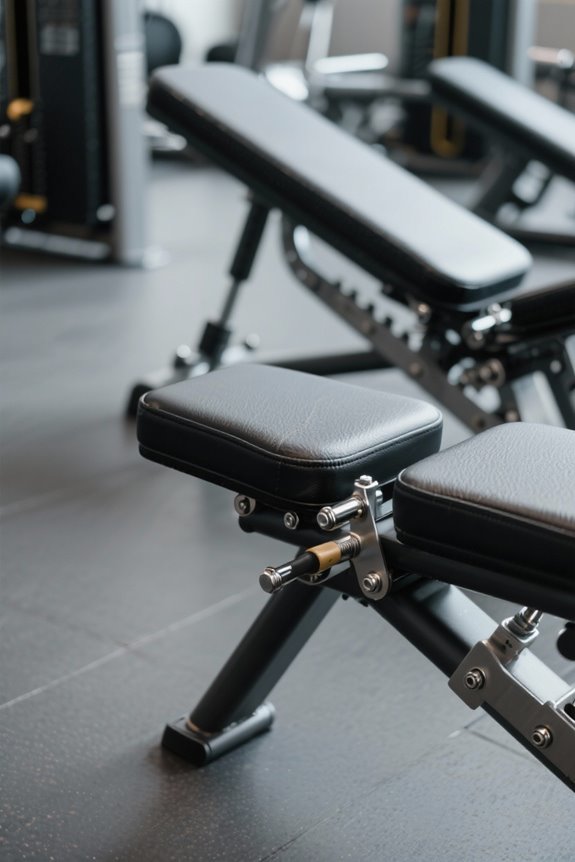
Navigating the world of adjustable benches, it’s clear they offer unmatched usability, space efficiency, and versatility, making them indispensable in any gym setup. With user preferences often leaning towards exercise variations, these benches support a wide range of workouts. Thanks to features like ladder-style adjustment mechanisms, transitioning between flat, incline, and decline positions is a breeze, enhancing workout fluidity. Their medium to large floor footprint is justified by the versatility they bring, and many models can fold for easy storage, perfect for compact training spaces. Integration with accessories and user-friendly designs, like built-in wheels, make them easy to maneuver. These benches not only cater to multiple muscle groups but also adapt to various training goals, offering significant benefits over flat benches. Modern adjustable benches like the FLYBIRD model offer up to 144 positions ranging from -30 to 90 degrees, providing exceptional customization for targeting specific muscle groups and exercise requirements.
Recommended Products
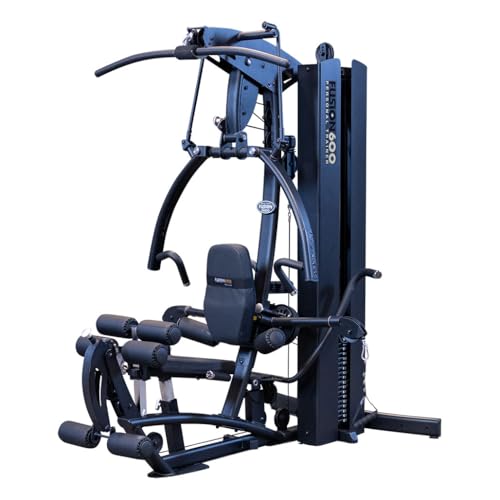
"INDUSTRY LEADER: For 30+ years, Body Solid has held the widest array of products designed to meet the demands of the ever-changing fitness industry (home gym, free weight machines, treadmills, bikes, ellipticals, weight plates, kettlebells, dumbbells, flooring, accessories and more). Our products are cutting edge and reliable and are built for Life……Your Life."

Full-Body Strength Training: The Speediance Gym Monster 2 combines a power cage, Smith machine, squat rack, bench rack, cable machine, and pulley system into one compact home gym for versatile strength training and full-body workouts.

Multifunctional Smart Home Gym System: Speediance revolutionizes your workout by bringing the gym directly to your home. Our all-in-one home gym system seamlessly integrates cardio and strength training into your living room for a full-body workout
Cost, Market Options, and Pricing Insights

When it comes to choosing an adjustable bench for your workout space, cost plays a pivotal role in determining the best fit for your needs. Through price comparisons and feature analysis, we can see that flat-only benches start affordably at $125 with models like Titan, while incline-capable benches range from $189 to $550+. Decline or FID benches, offering added versatility, often exceed $500 due to complexity and construction quality. Brands like Rogue and REP provide options from budget-friendly to premium, with REP’s BlackWing offering robust features at $599. Premium features, such as ZeroGap® technology and advanced locking systems, appear in higher-end models priced above $500. For those building a complete home gym setup, complementary equipment like the K KiNGKANG Multi-Function Barbell Rack offers excellent value at around $100 with its 690-pound capacity and adjustable design. Our exploration highlights the importance of balancing budget with desired features for optimal performance and satisfaction.
Recommended Products


INDUSTRY LEADER: For 30+ years, Body Solid has held the widest array of products designed to meet the demands of the ever-changing fitness industry (home gym, free weight machines, treadmills, bikes, ellipticals, weight plates, kettlebells, dumbbells, flooring, accessories and more). Our products are cutting edge and reliable and are built for Life……Your Life.
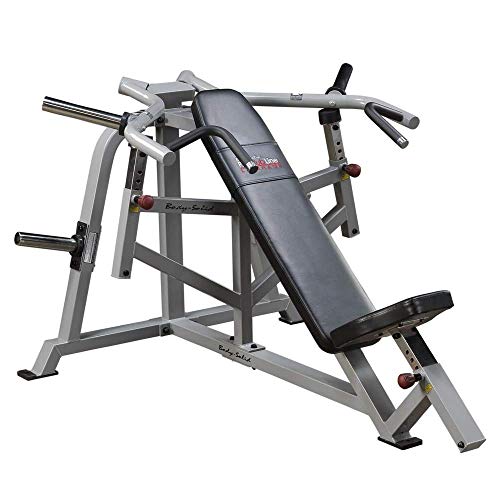
INDUSTRY LEADER: For 30+ years, Body Solid has held the widest array of products designed to meet the demands of the ever-changing fitness industry (home gym, free weight machines, treadmills, bikes, ellipticals, weight plates, kettlebells, dumbbells, flooring, accessories and more). Our products are cutting edge and reliable and are built for Life……Your Life.
Frequently Asked Questions
How Do Adjustable Benches Impact Overall Workout Efficiency?
Methinks adjustable benches elevate workout effectiveness by offering exercise variety. We can target different muscle groups swiftly, maximizing efficiency. With multiple angles, we’re able to diversify routines and intensify sessions, saving time while enhancing overall training effectiveness.
Are Adjustable Benches Suitable for Beginners?
Yes, they’re great for beginners. We benefit from their versatility and support, reducing injury risks. Following safety tips, we can gradually progress and target various muscles, keeping workouts engaging with lighter weights and bodyweight exercises.
What Maintenance Is Required for Adjustable Benches?
We should follow cleaning routines like using mild soap and inspecting weekly for loose bolts. Regular maintenance includes checking upholstery for wear, lubricating moving parts, and ensuring structural integrity with inspection guidelines to prolong bench lifespan.
Can Adjustable Benches Be Used for Non-Chest Exercises?
Sure thing! An adjustable bench is a jack-of-all-trades for non-chest exercises. It benefits core, shoulder, and leg workouts by offering varied angles for crunches, rows, and squats, enhancing muscle engagement and exercise versatility.
Do Adjustable Benches Require Professional Assembly?
We don’t need professional assembly for most adjustable benches. Assembly requirements are straightforward with basic tools. Follow the provided assembly tips, like organizing parts and using instructional guides, to ensure a smooth setup process at home.