As an Amazon Associate, we earn from qualifying purchases. Some links on this site are affiliate links at no extra cost to you. Our recommendations are based on thorough research and editorial judgment.

Complete Guide to Resistance Band Resistance Levels

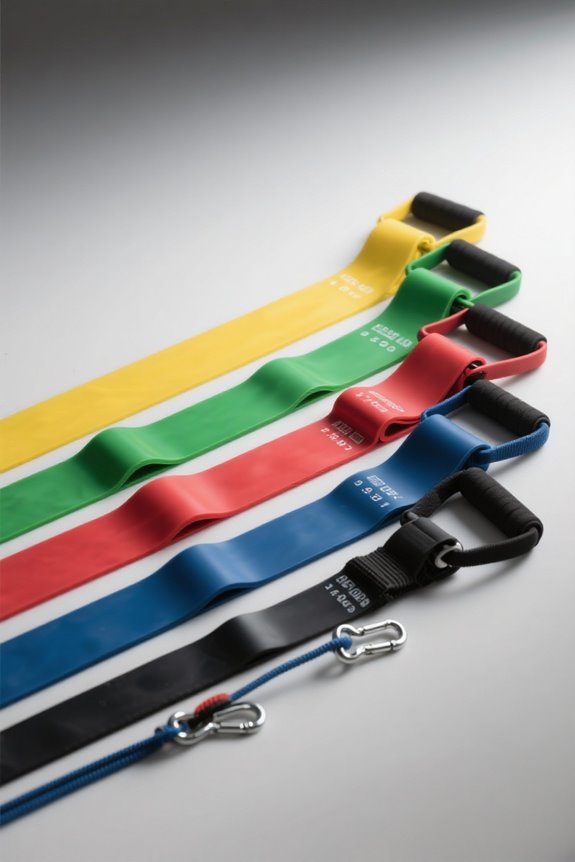
Professional fitness equipment photography showcasing a comprehensive resistance band set arranged in a gradient spectrum from light to heavy resistance. Multiple bands in progressive colors—yellow, green, red, blue, and black—displayed on a sleek white-to-gray gradient surface. Each band features visible tension ratings and premium latex construction details. Dramatic studio lighting creates depth with soft shadows, highlighting the elastic texture and durability markers. Canon EOS R5 captures razor-sharp product details of handles, carabiners, and resistance indicators. Commercial-grade composition emphasizes professional quality and color-coded progression system for strength training versatility.
# Complete Guide to Resistance Band Resistance Levels
When it comes to resistance bands, understanding their resistance levels is crucial. Bands generally follow a sequence from light to heavy: yellow, red, green, blue, to black. Beginners benefit from lighter bands offering 1-7 lbs of resistance, while advanced users may need up to 40+ lbs with black or heavier bands. Proper selection and use can enhance workouts, boosting strength and protecting joints. Let’s uncover the specifics to optimize our training with these versatile tools.
Key Takeaways
- Resistance bands lack universal color coding; verify resistance levels with the manufacturer’s specifications.
- Resistance levels generally range from under 3 lbs for beginners to over 150 lbs for advanced users.
- Beginners should start with light resistance bands, while advanced users can opt for heavy or extra-heavy bands.
- Proper band selection and controlled form are crucial for effective resistance training.
- Regular maintenance, including storage and cleaning, extends the lifespan of resistance bands.
Understanding Resistance Levels and Color Coding
When it comes to understanding resistance levels and color coding in resistance bands, it’s important to recognize that there isn’t a universal system adopted by all manufacturers. Color variability plays a significant role in how we choose bands, as each brand might assign different resistance measurements to their colors. For instance, Thera-Band uses yellow for the lightest resistance, while others might use red or even orange for extra-heavy. This lack of standardization means we should always check manufacturer specs to ensure we’re using the right resistance level. The general sequence from light to heavy—yellow, red, green, blue, black—helps us visually identify the suitable band quickly. However, it’s essential to verify each band’s actual resistance, measured in pounds or kilograms, for accuracy. Resistance levels typically range from as low as 3 lbs for beginners up to over 150 lbs for advanced users, ensuring there’s an appropriate band for every fitness level.
Recommended Products

HANDLE SHARP METAL & GLASS WITH CONFIDENCE: ANSI/ISEA 105 Cut Level A6 protection shields hands from sheet metal, glass, stamped parts, blades, and razor-edged materials that lower-rated gloves can't stop. Also rated ANSI Level 3 Abrasion and Level 2 Puncture Resistance.

Ultimate Cut Protection: These cut-resistant sleeves conform to the highest ANSI A9 cut resistance standard, making them the top choice for supreme cut protection. Utilizing lightweight shell technology, these sleeves are over 50% lighter than comparable A9 sleeves while delivering identical cut protection. The shield graphic is color-coded for easy cut level identification even from a distance

Selecting the Right Band for Your Fitness Level

How do we know which resistance band is right for our fitness level? Our band selection strategies should align with our current strength and experience. Beginners benefit from light bands (yellow, red) offering 1–7 lbs of resistance, perfect for learning movement patterns and enhancing joint stability. For those at an intermediate level, medium bands (green, blue) providing 2–14 lbs are ideal for building strength and endurance, challenging muscles without compromising form.
As we advance, heavy and extra-heavy bands (black, silver, gold) with 4–40+ lbs of resistance become essential for maximizing muscle and power. Serious athletes can benefit from heavy resistance bands that support up to 300 lbs for intensive muscle building workouts. Our resistance adjustment techniques should ensure bands allow completion of targeted repetitions with controlled form, gradually progressing as strength improves. This approach ensures safety and effective development.
Recommended Products

Bundle Includes: The Bundle includes the Squat Rack with pull up bar, plate and bar storage, and the Weight Lifting Platform to give you everything you need in your light-commercial gym,home gym or garage gym

Advanced 24.2MP BSI full frame Image Sensor w/ 1.8X readout speed.Aspect Ratio - 3:2, Headphone Terminal : Yes (3.5 mm Stereo minijack), Mic Terminal : Yes (3.5 mm Stereo minijack). Brightness Control (Viewfinder) : Auto/Manual (5 steps between -2 and +2).
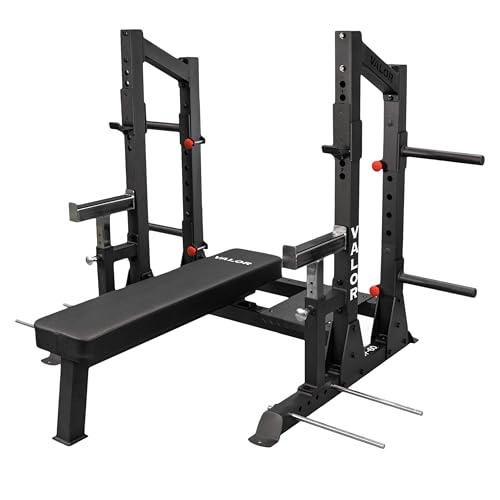
HEAVY-DUTY COMPETITION BENCH PRESS RACK - Built with 3” x 3” heavy-gauge steel uprights for serious powerlifting and strength training. Designed for stability during heavy bench press workouts with a max weight capacity of 1000 lbs.
Exploring the Benefits of Resistance Bands
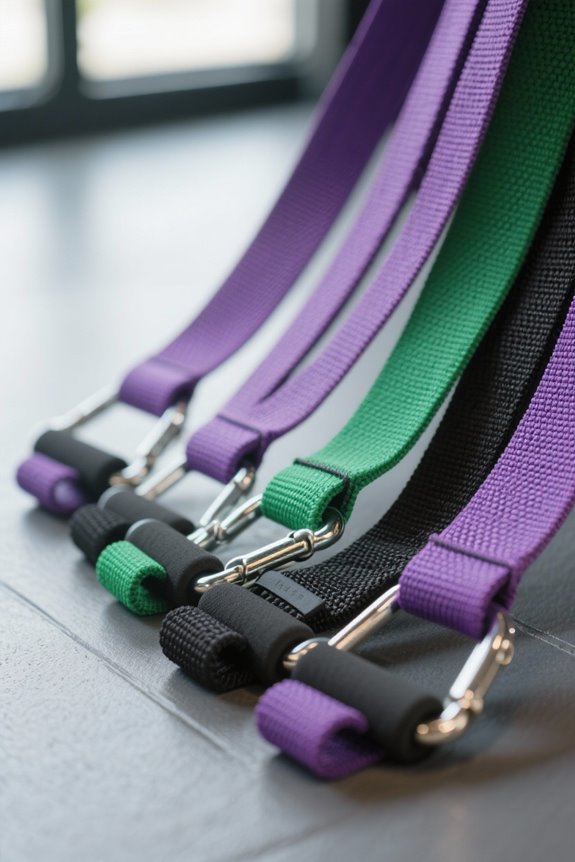
Though often underrated, resistance bands offer an array of benefits that cater to diverse fitness goals, making them an essential tool in any workout regimen. With continuous tension through the range of motion, they enhance muscle engagement, particularly in the upper body. Studies confirm that strength gains from bands rival those from free weights, making them effective for both novices and seasoned athletes alike. Besides, bands excel in injury prevention, thanks to their controlled, variable resistance which reduces stress on joints and bones. This feature is invaluable for those with joint issues or recovering from injuries. Moreover, their ability to decrease body fat and increase muscle strength, especially in overweight individuals, makes them a versatile option for improving body composition. Similar to yoga balls which support balance training and core strengthening, resistance bands provide versatile functionality that extends beyond traditional strength exercises.
Resistance Training Techniques and Exercises

Let’s dive into the fascinating world of resistance training techniques with bands, where versatility meets effectiveness in every stretch. By adjusting band positioning, we target various muscle groups, whether we’re anchoring bands at different heights or experimenting with exercise variations. For upper body strength, we can perform biceps curls or single-arm overhead shoulder presses, while bent-over rows and upright rows enhance our back and shoulder muscles. Lower body exercises like banded walks and front squats engage our glutes and quads. Core engagement is key; exercises like the Pallof press and Copenhagen plank mini band challenge ensure stability. With progressive overload, bands provide variable resistance, mimicking natural muscle function. Don’t forget proper breathing techniques to maximize efficiency and minimize fatigue. These versatile bands can also complement weight training for more effective workout circuits, allowing you to superset with free weights during strength training sessions.
Recommended Products
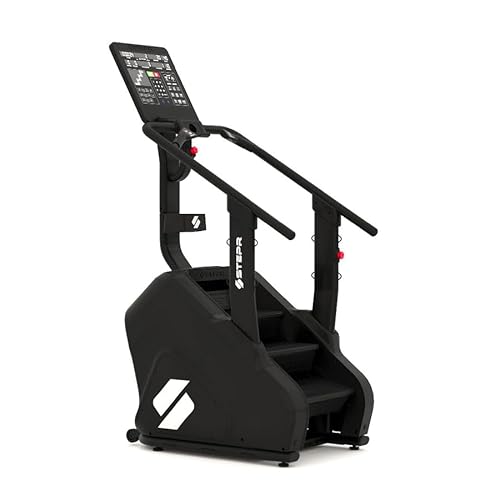
Commercial Grade Construction: Designed for durability, this stair stepper machine withstands rigorous use. Its commercial grade build makes it the ideal stair machine for intense home workouts, ensuring longevity and reliability.
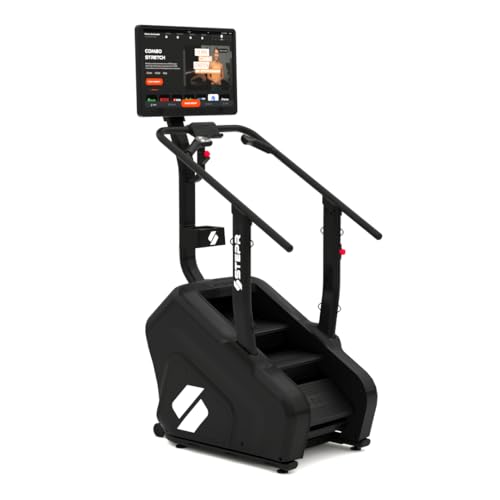
Commercial Grade Construction: Designed for durability, this stair stepper machine withstands rigorous use. Its commercial grade build makes it the ideal stair machine for intense home workouts, ensuring longevity and reliability.
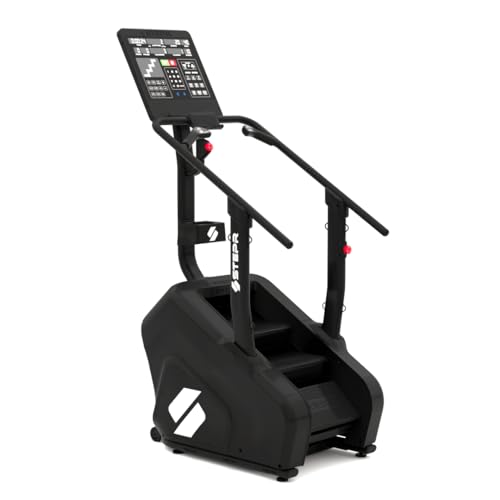
Commercial Grade Construction: Designed for durability, this stair stepper machine withstands rigorous use. Its commercial grade build makes it the ideal stair machine for intense home workouts, ensuring longevity and reliability.
Tips for Maximizing Your Resistance Band Workout

When it comes to maximizing your resistance band workout, focusing on proper band tension and strategic exercise techniques can make all the difference. Ensuring our muscles remain under continuous tension throughout each movement is key. By adjusting band length or anchoring points, we prevent zero-resistance phases and maintain consistent resistance, aligning with the strength curve of our exercises. This continuous tension enhances muscle engagement, promoting growth and strength gains.
Exercise progression is crucial. We can incorporate techniques like static contraction to hold band tension at maximal stretch, targeting muscles’ strongest points. Additionally, alternating isolation and compound exercises during workouts can optimize muscle recruitment. By manipulating resistance curves, we match our natural strength, supporting maximal efforts while reducing injury risk. For those seeking comprehensive training options, stackable bands can provide adjustable resistance ranging from 10 to 150 lbs, accommodating various fitness levels and progressive overload requirements.
Recommended Products
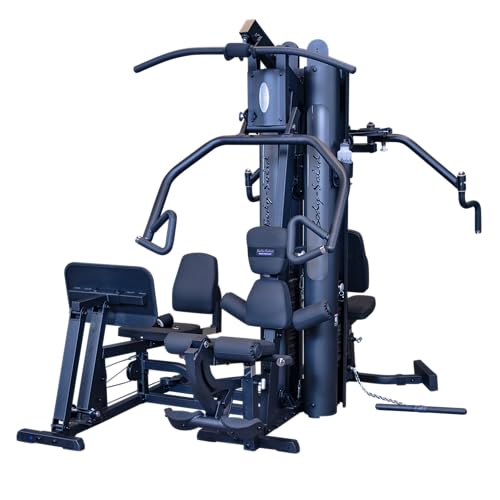
INDUSTRY LEADER: For 30+ years, Body Solid has held the widest array of products designed to meet the demands of the ever-changing fitness industry (home gym, free weight machines, treadmills, bikes, ellipticals, weight plates, kettlebells, dumbbells, flooring, accessories and more). Our products are cutting edge and reliable and are built for Life……Your Life.

INDUSTRY LEADER: For 30+ years, Body-Solid has held the widest array of products designed to meet the demands of the ever-changing fitness industry (home gym, free weight machines, treadmills, bikes, ellipticals, weight plates, kettlebells, dumbbells, flooring, accessories and more). Our products are cutting edge and reliable and are built for Life……Your Life.
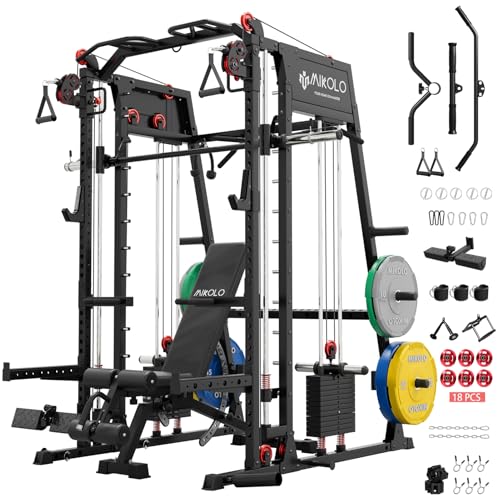
[M4 2.0 — A Classic, Reimagined] M4 Smith Machine has always been the rack users grow with — dependable, accessible, and built for real home gym training. Now, with M4 2.0, we’ve listened to thousands of users and refined every detail. It inherits the same reliable DNA but delivers a sturdier frame, smoother movement, and smarter usability that fits how you actually train.
Maintaining and Caring for Your Resistance Bands
To ensure our resistance band workouts remain safe and effective, proper maintenance and care of the bands are vital. We should store resistance bands in cool, dry places, avoiding direct sunlight and humid environments to prevent degradation. For cleaning methods, regularly wipe bands with a damp cloth and mild soap—steering clear of alcohol-based cleaners—to remove sweat and dirt. For fabric bands, follow machine washing guidelines to maintain hygiene. After cleaning, thoroughly dry them to avoid moisture damage. It’s important to conduct frequent visual inspections for signs of wear like cracks or peeling. By using barrier materials like towels during exercises and not overstretching them, we can maintain their elasticity and extend their lifespan, ensuring optimal performance. Similar to ab mats, which should be cleaned with mild soap and water and stored in dry areas to prolong their life, consistent care routines help maintain the integrity of all fitness equipment.
Recommended Products

Oversized Sectional Couch:Each individual seat's size: 33.86 inches wide x 34.25 inches deep x 37.4 inches high, far exceeding most sofas. The backrest height is increased from the common 16.5 inches to 19.7 inches,which can more comfortably support your back and neck.The EASE MOOSE oversized Modular couch has added a larger faux leather couch and upgraded multiple functions, which will bring you a brand new sitting experience.

Good looking 72-inch L-Desk shell with 42-inch return with amazing interior wire management capabilities

MULTI-PURPOSE ACTIVITY TABLE: 60" x 66" horseshoe table with adjustable mobile Super legs provides a versatile space to work and play in classrooms, homes, churches and more
Frequently Asked Questions
How Do Resistance Bands Compare to Free Weights in Muscle Building?
We’d say both resistance bands and free weights effectively build muscle, but the choice depends on weight preference and muscle engagement. Bands enhance secondary muscle activation, while free weights often better target primary muscles for hypertrophy.
Are Resistance Bands Suitable for All Age Groups?
Aren’t resistance bands perfect for everyone? They truly suit all age considerations and fitness levels. From kids to seniors, bands provide adaptable resistance, enhancing strength and agility without stressing joints. Let’s embrace this versatile workout tool together!
Can Resistance Bands Be Used for High-Intensity Interval Training (HIIT)?
Yes, we can use resistance bands for HIIT workouts. They offer versatile band adaptations, enhancing exercise intensity and diversity. Let’s embrace their benefits for effective fat-burning, muscle building, and improving overall athletic performance in our routines.
What Are Common Mistakes to Avoid When Using Resistance Bands?
When using resistance bands, let’s not fall into the trap of improper form or poor band selection. Like a house built on sand, shaky foundations lead to injury. Choose wisely, maintain tension, and prioritize good technique for effective workouts.
How Do Resistance Bands Enhance Flexibility and Mobility?
Resistance bands enhance flexibility and mobility by providing dynamic stretches and allowing us to use various band techniques. They help muscles lengthen safely, improve range of motion, and engage stabilizing muscles for better mobility control.