As an Amazon Associate, we earn from qualifying purchases. Some links on this site are affiliate links at no extra cost to you. Our recommendations are based on thorough research and editorial judgment.


How to Choose the Right Dumbbell Weight for Your Fitness Level

Choosing the right dumbbell weight aligns with our fitness goals and level, whether we’re beginners starting with 2-10 kg or more advanced lifters gradually increasing weights for progressive overload. Adjustable dumbbells offer space efficiency and versatility, enhancing workout transitions. Beginner women may start at 2-5 kg and men at 5-10 kg, progressing as comfort grows. Types of exercises influence weight choice, with heavier weights for strength and lighter for endurance. Let’s refine our workout strategy step by step.
Key Takeaways
- Align dumbbell weight with your fitness goals, choosing heavier for hypertrophy or lighter for endurance.
- Beginners should start with 2-10 kg dumbbells, focusing on 10-15 reps with proper form.
- Intermediate lifters should increase weights by 1-2 kg when exercises become easy.
- Advanced lifters should use adjustable dumbbells for progressive overload and muscle group specificity.
- Ensure proper form and safety through controlled movements and ergonomic grips to prevent injury.
Understanding Your Fitness Goals
When it comes to choosing the right dumbbell weight, understanding our fitness goals is crucial. Our fitness priorities shape the weights we should select, ensuring goal alignment. Whether we’re aiming for muscle growth, endurance, or recovery, clearly defined goals guide our decisions. For muscle hypertrophy, heavier weights like 15-30+ pounds, paired with lower rep ranges (4-15 reps), are ideal. If we’re focusing on stamina, moderate weights allow us to challenge ourselves in a ~12-rep set. Meanwhile, lighter weights with high reps (15-25+) suit endurance improvements, reducing fatigue while maintaining form. In rehabilitation, light weights support joint stabilization, aiding recovery. Adjustable dumbbells provide an excellent solution for achieving diverse fitness goals since they offer weight ranges up to 80 lbs and allow quick adjustments to match different training requirements. Setting specific fitness goals not only optimizes our workouts but also prevents injury by aligning lifting loads with our capacity.
Beginner Weight Recommendations

For those of us just starting our fitness journey, choosing the right dumbbell weight is key to building a solid foundation. When considering dumbbell sizes, beginners often find success with weights ranging from 2–10 kg. Generally, women might start with 2–5 kg, while men often opt for 5–10 kg. If we’ve got a bit of base strength from other activities, 4–10 kg could be a good starting point. Our weight selection should allow for 10–15 reps with proper form, inducing slight muscle fatigue. For specific exercises, try 3–7 kg for shoulder presses and 4–8 kg for chest presses. Always begin at the lighter end of the spectrum and increase gradually to ensure safety and effectiveness in our workouts. When investing in dumbbells for home use, consider urethane-coated options that resist cracking and fading while providing enhanced durability for long-term training success.
Recommended Products

What's Included: 5, 10, 15, 20, 25, 30, 35, 40, 45, 50, 55, 60, 65, 70, 75, 80, 85, 90, 95, 100 lb pairs of urethane coated dumbbells and two 3-tiered racks

1200 lbs Weight Set with Dumbbell Rack: Includes 15 pairs of rubber hex dumbbells from 5 to 75 lbs. Dumbbell pairs in 5, 10, 15, 20, 25, 30, 35, 40, 45, 50, 55, 60, 65, 70 and 75 lbs. offer a versatile range of strength training exercises that's perfect for home gyms or professional settings. These hand weights provide the right free weight for different fitness levels and exercises, helping you reach your fitness goals faster

Save Space: Fitvids 3 tier dumbbell set with rack helps you maximize space and efficiency! This complete system stores 10 pairs of hex rubber-coated dumbbells (5-50 lbs, 550 lbs total) in a compact 37"x22"x45" footprint. The heavy-duty steel construction with triangular support and non-slip feet ensures rock-solid stability while supporting up to 1000 lbs. Perfect for home gyms where space is precious, keeping your weights organized and accessible for effective workouts
Intermediate Weight Guidelines

We’ve built a solid foundation as beginners, so now it’s time to explore intermediate weight guidelines. With intermediate lifting tips, we focus on dumbbells ranging from 10–22 lb (4.5–10 kg) for most lifts, tailoring our approach with weight selection strategies based on the exercise. Compound exercises like squats or dumbbell bench presses often require weights on the heavier side, while isolation exercises might use 8–15 lb (3.5–7 kg) dumbbells. Our goal is to choose a weight that challenges us—inducing fatigue by the last few reps without compromising form. For progression, increasing weights by 2.5–5 lb (1–2 kg) as current loads become too manageable is key. Adjustable dumbbells with 2.5 lb increments provide the flexibility needed for this precise progression without requiring multiple fixed-weight sets. Remember, maintaining control and listening to our bodies ensures sustainable growth.
Recommended Products
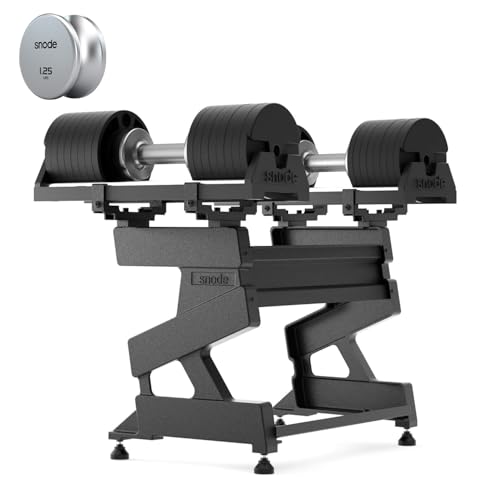
What you will get: Two adjustable dumbbell 80lbs with 8*1.25lb additional plates, and One dumbbell rack. Shipped out in three separate packages.

SWIFT WEIGHT ADJUSTMENT:AOC PILATES Octagonal dumbbell set enables straightforward weight changes. By simply fine - tuning the bolts—no full disassembly required—you can adjust weights in under 10 seconds. The dumbbell plates feature handles, streamlining the process. Plus, with additional weight plates, a 50 - pound dumbbell can be expanded to 90 pounds, suiting various training levels

The Original NUOBELL : Premium 5–80 lb Adjustable Dumbbells for Home Gym Training - These authentic SMRTFT NUOBELL adjustable dumbbells deliver smooth weight changes and dependable performance across the full 5–80 lb range. A true adjustable dumbbells set built for serious home gym athletes.
Advanced Training Weights
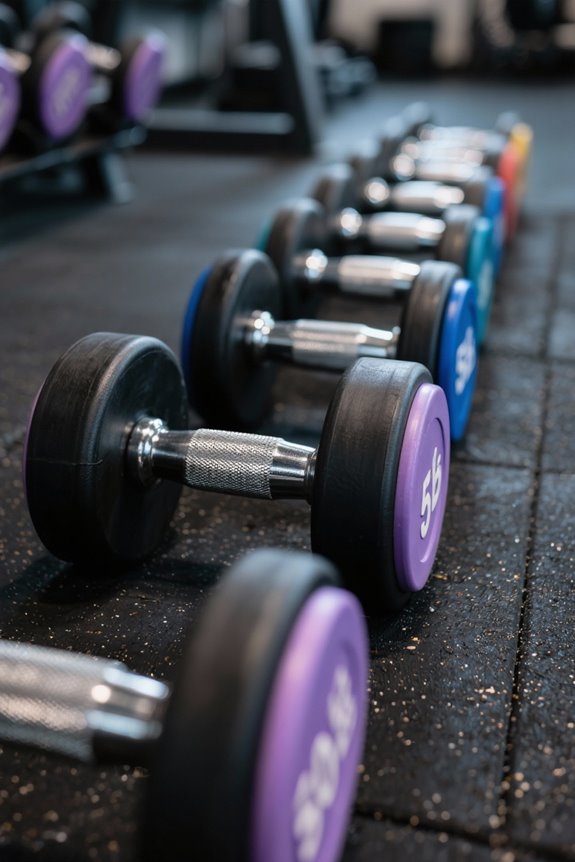
As we advance in our training journey, embracing the principles of advanced training weights becomes crucial for continued growth and strength development. Utilizing advanced weightlifting techniques, we can enhance our strength by incorporating progressive overload—gradually increasing the weight we lift to challenge our muscles. Our customized training programs should also focus on muscle group specificity, selecting weights that optimize balanced development. For compound exercises like squats and lunges, choosing heavier weights allows for overall strength gains, while isolation exercises benefit from lighter weights to specifically target muscles. Adjustable dumbbells offer variable resistance, enabling us to change weights seamlessly during workouts. Advanced lifters should consider sets with broader weight ranges, such as those offering 40lbs to 200lbs capacity, to accommodate their increased strength requirements. Remember, proper recovery time and maintaining form are essential to prevent injury as we push our limits.
Recommended Products

Twist lock system. Turn the handle to select your weight and lift dumbbell out of the cradle to enjoy a fluid workout.

32 Dumbbells in 1 for Total Body Workout – Designed for both men and women, the Nuobell adjustable dumbbells offer a range of adjustable weights from 5 to 80 lbs, perfect exercise equipment for a complete home workout.

SWIFT WEIGHT ADJUSTMENT:Octagonal dumbbell set enables straightforward weight changes. By simply fine - tuning the bolts—no full disassembly required—you can adjust weights in under 10 seconds. The dumbbell plates feature handles, streamlining the process. Plus, with additional weight plates, a 50 - pound dumbbell can be expanded to 90 pounds, suiting various training levels
Choosing Weights Based on Exercise Type

How do we choose the right dumbbell weights for each exercise to maximize our workout efficiency? It starts with understanding weight variations and exercise combinations. For isolation and accessory movements like lateral raises and bicep curls, lighter dumbbells (2–5kg / 5–10 lbs) are ideal for targeting specific muscles without straining joints. Medium weights (4–10kg / 10–20 lbs) are perfect for compound movements, such as overhead presses and rows, where multiple muscle groups are engaged. When tackling lower-body exercises, like goblet squats and deadlifts, heavier dumbbells (8–12kg+ / 20–30 lbs+) provide the necessary challenge. Adjustable dumbbells can be particularly helpful, allowing us to switch between light, medium, and heavy weights quickly, ensuring we maintain proper form and control throughout our routine. For those seeking maximum versatility, 90 lb adjustable dumbbells provide an extensive weight range that accommodates both beginners starting with lighter loads and advanced lifters requiring heavier resistance for strength progression.
Targeting Specific Muscle Groups
When it comes to targeting specific muscle groups, dumbbells offer an unparalleled level of versatility and precision. Our exercise preferences can guide us in selecting the right moves to engage particular muscles effectively. For instance, dumbbell squats and goblet squats work the quads, hamstrings, glutes, core, and calves, providing full lower-body engagement. If we’re focusing on upper body, bicep curls isolate the biceps, deltoids, brachialis, and brachioradialis, promoting arm development. Meanwhile, shoulder presses engage the deltoids and trapezius, enhancing shoulder strength. Dumbbells also excel in unilateral training, as seen in Bulgarian split squats, which correct imbalances while targeting the quads, hamstrings, and glutes. This specific muscle targeting empowers us to tailor our workouts to our fitness goals. For optimal results across different muscle groups, consider using adjustable dumbbells that can range from 5 to 90 lbs, allowing you to progressively increase resistance as your strength develops.
Importance of Proper Form and Safety
While targeting specific muscle groups with dumbbells can be highly effective, it’s just as important to focus on proper form and safety to maximize results and minimize injury. Maintaining correct form technique involves controlled movements and steady posture, ensuring we engage muscles fully while protecting joints and tendons. Incorrect form increases risks like muscle strain and joint stress, undermining long-term progress. We must focus on a full range of motion, particularly for major muscle groups like the chest, back, and arms, to enhance safety and prevent muscle imbalances.
Additionally, a thorough warm-up, including dynamic stretching and light cardio, prepares muscles by increasing core temperature and blood flow, crucial for injury prevention. Cooling down aids recovery and keeps us ready for the next session. For comprehensive core strengthening that complements dumbbell training, consider incorporating supportive equipment like ab mats that provide proper spine alignment and reduce lower back strain during abdominal exercises.
Selecting Adjustable vs. Fixed Dumbbells
In choosing between adjustable and fixed dumbbells, we often ask ourselves which option best suits our workout needs and space constraints. Adjustable dumbbells offer several advantages, such as space efficiency, cost effectiveness, and versatility. They consolidate multiple weights into a single unit, making them perfect for those with limited space, and provide a broad range of weights for varied workouts. However, they typically cap at 50-90 pounds and can restrict certain exercises due to their bulk.
On the other hand, fixed dumbbells are grounded in fundamentals like durability and instant weight transitions. They’re ideal for drop sets, offering higher maximum weights, but demand more storage space. Despite their bulk, fixed dumbbells enhance workout fluidity, allowing seamless transitions between exercises.
Similarly, when considering cardio equipment that saves space while offering versatility, cordless jump ropes provide the benefit of eliminating tangling issues while allowing adjustable weight options for varied workout intensity.
Recommended Products

Patented Smith Bar & Weight Multiplier System - Selectorized smith bar with weight stack system that multiplies resistance up to 330 lb. No need for a spotter or olympic weight plates.

Upgraded Speediance Gym Monster: Strength Training, Now at a New Level! Featuring a powerful 2.1-channel speaker, 11 adjustable height levels, AeroRow Rowing Bench, a state-of-the-art cooling system, and an upgraded screen chip, this all-in-one gym immerses you in your workouts, ensuring each session is both engaging and effective

[2024 New Design]XGSW XINGESIWR 2024 Power Cage L05 can provide more muscle training and true home fitness without adding more accessories.
Benefits of Adjustable Dumbbells
How do adjustable dumbbells transform our fitness routines with remarkable efficiency and versatility? Their design features allow us to switch weight plates swiftly, accommodating a range of exercises from strength training to muscle building with ease. User feedback often highlights the convenience of instant adjustability, making it possible to progress within a single workout session through techniques like drop sets. Offering weight increments from 5 to over 50 pounds, they provide precise control—perfect for both beginners and seasoned athletes. Cost efficiency is another standout; a single set can replace an entire rack, offering long-term savings. The compact design reduces setup time and space use, streamlining our workout routines while maintaining dynamic, engaging sessions tailored to our evolving fitness goals. Many modern adjustable dumbbells feature ergonomic grips with textured surfaces and foam padding that enhance comfort and provide non-slip safety during intense workouts.
Recommended Products

Home Gym Equipment Weight Set:Includes 5, 10, 15, 20, 25, 30, 35, 40, 45, 50, 55, 60, 65, 70, 75, 80, 85, 90, 95, and 100lb dumbbell pairs, (2) of 3-tier racks and (2) of mats. You can use these solid dumbbells in a wide range of exercises, also a perfect choice for both beginners or athletes.

CONTENTS: 5lb to 75lb Urethane Dumbbell Set (15 dumbbell pair total) with 3-tier commercial dumbbell rack.

Freight Delivery: You must provide an accurate phone number and delivery address on the order so the freight carrier can contact you to schedule the delivery.
Space Considerations for Home Gyms
Adjustable dumbbells certainly optimize our workouts, but let’s focus on how to make the most out of our home gym space. Space planning is crucial, especially when the average home gym is about 200 square feet. For effective equipment layout, we need to consider ceiling height—55% of gyms have ceilings under 9 feet—which can limit overhead exercises. Common physical constraints like windows, doors, and uneven floors also play a role. Garages are popular spots, but shared usage can mean compromises. Equipment like adjustable dumbbells, with their small footprint, enhances space efficiency, essential in spaces averaging 100 square feet. Remember, measuring dimensions accurately before purchasing ensures safety, and using compact, versatile equipment prevents overcrowding, maximizing your workout environment. Incorporating space-saving equipment like doorway pull-up bars that require no drilling installation can further maximize your limited gym space while providing versatile upper body training options.
Material and Handle Quality
When selecting the ideal dumbbells, the material and handle quality play a vital role in ensuring both performance and durability. We need to consider material durability—options like cast iron, steel, rubber-coated, urethane, and neoprene each offer unique benefits. Steel and urethane provide outstanding weather resistance, making them perfect for outdoor use. Meanwhile, neoprene resists moisture and offers a firmer grip. Handle ergonomics are equally important, impacting our grip and comfort. For instance, rubber-coated surfaces enhance grip with their texture, reducing slip risks. Urethane handles are solid and require minimal maintenance, offering reliable support during workouts. By understanding these elements, we can make informed choices that enhance our exercise experience, ensuring our dumbbells last through rigorous use.
Progression and Weight Increase
Having explored the nuances of material and handle quality, it’s important now to focus on progression and weight increase, a key component of effective dumbbell training. Progressive overload is vital for avoiding strength plateaus, ensuring our muscles are continually challenged. We can increase demands through heavier weights, more reps, or shorter rest periods. Recognizing when to boost weight is crucial; if exercises feel too easy or we exceed our target reps, it’s time to consider weight increments. Typically, we aim to increase every 3 to 6 weeks, depending on our training consistency and recovery. For seamless transitions, try mixed sets or adjust tempo to challenge muscles without compromising form. Consistent, incremental increases ensure sustainable strength improvements.
Monitoring and Reassessing Your Weight Choice
While selecting the right dumbbell weight might initially seem daunting, monitoring and reassessing our choices ensures that we’re on the right track to effective training. First, a weight assessment helps us understand our current strength and endurance levels. By conducting a performance evaluation using a rep range test, we can identify the optimal weight for each exercise, ensuring form is maintained. It’s crucial that the last couple of reps are challenging yet doable, prioritizing proper form over heavier weights. We should also adjust weights based on muscle fatigue, repetition range, and feedback from our bodies. Different exercises require specific weight levels, so maintaining a record of weights used for core, shoulder, tricep, and lower body exercises will aid in our progress.
Tracking Progress and Motivation
How do we stay motivated and ensure we’re making real progress in our fitness journey? Progress tracking is key. By logging the weight lifted per exercise, we gather objective data to see strength improvements. Tools like graphs show trends, helping us spot increases, decreases, or plateaus. Motivation strategies, like celebrating milestones, boost our adherence. Monitoring volume load (weight × reps × sets) helps tailor our workouts to goals like hypertrophy or strength. Using apps or fitness journals for consistent logging keeps us accountable, offering visual progress and historical data for review. Sharing records socially can enhance motivation through community support. Regular assessments prevent stagnation, ensuring our workouts remain effective and engaging, pushing us toward our fitness goals.
Frequently Asked Questions
How Do I Determine if My Grip Is Too Weak for Heavier Dumbbells?
If our grip strength feels like a leaf in the wind, it’s too weak for heavier dumbbells. Let’s reassess the weight by ensuring secure holds without slipping or pain, using grip-strengthening exercises to boost performance.
Are There Specific Brands of Dumbbells Recommended for Beginners?
We recommend Bowflex Results Series 552 SelectTech adjustable dumbbells for beginners. They offer lightweight options, an easy-to-use dial system, and include storage trays. Cap Barbell HEX and REP Fitness dumbbells are great fixed-weight alternatives for stability.
Can Dumbbell Shape Affect Workout Performance or Safety?
A stitch in time saves nine; dumbbell design can indeed affect workout performance and safety. Hex shapes enhance grip stability by preventing rolling, while round ones might risk movement. Secure grip boosts confidence and effectiveness in exercises.
How Can I Prevent Calluses While Using Dumbbells?
We can prevent calluses while using dumbbells by focusing on hand care and proper grip techniques. Let’s use gym gloves, maintain a firm grip, moisturize regularly, and gradually increase workout intensity to protect our hands.
Are There Exercises to Improve Wrist Strength for Better Dumbbell Lifting?
Yes, there are! We can enhance wrist strength with exercises like wrist curls and using grip trainers. These help improve grip endurance and stability, making our dumbbell lifting more effective and reducing injury risk. Let’s start today!