As an Amazon Associate, we earn from qualifying purchases. Some links on this site are affiliate links at no extra cost to you. Our recommendations are based on thorough research and editorial judgment.


Dumbbell Exercises for Stronger Forearms and Grip

Let’s discuss dumbbell exercises for building stronger forearms and grip. We recommend starting with palm-up wrist curls for flexor strength, paired with palm-down wrist curls targeting extensors. Incorporate Zottman curls to engage both biceps and forearm muscles through dynamic rotation, enhancing overall strength. Consistent practice of these techniques, coupled with rotational movements and loaded carries, will improve grip endurance and stability. By integrating these exercises, you’ll unlock potential for greater gains.
Key Takeaways
- Palm-down wrist curls target forearm extensors, enhancing wrist strength and alignment.
- Palm-up wrist curls focus on flexor muscles, improving grip strength and stability.
- Zottman curls engage both biceps and forearms, promoting balanced muscle development.
- Farmer’s carries build grip endurance through heavy dumbbell walking exercises.
- Rotational curls enhance forearm rotation strength and support overall grip performance.
Understanding Forearm and Grip Anatomy
Let’s delve into the intricate anatomy of the forearm and grip, which is essential for anyone looking to strengthen these areas effectively. Our forearm architecture is divided into anterior (flexor) and posterior (extensor) compartments, each with distinct roles. The anterior compartment, with muscles like pronator teres and flexor digitorum superficialis, focuses on flexion and pronation. Meanwhile, the posterior compartment, including extensor carpi radialis and anconeus, controls extension and supination. Grip dynamics rely heavily on both compartments working harmoniously. Flexors enable finger flexion crucial for gripping, while extensors stabilize the wrist. Neurovascular structures, like the median nerve, traverse these compartments, ensuring precise motor control. Understanding these dynamics and architectural peculiarities helps us target our training with precision. When forearm fatigue becomes a limiting factor during heavy lifting, lifting straps can help maintain proper form while still allowing targeted muscle development.
Benefits of Forearm Training With Dumbbells

While we might not always think of our forearms as a focal point in fitness, training them with dumbbells offers substantial benefits that enhance both strength and functionality. By focusing on forearm anatomy, we can target intrinsic and extrinsic muscles, increasing muscle strength and reducing the risk of wrist injuries. Improved grip strength, a crucial element for daily activities and sports, is another significant advantage. Strengthening our forearms with dumbbells boosts muscular endurance, enabling us to engage in longer activity sessions. This training also supports better longevity, as grip strength correlates with health markers and life expectancy. Moreover, it helps prevent muscle imbalances, enhances functional fitness, and even boosts athletic performance, especially in sports requiring strong grips, like tennis and golf. For those looking to further enhance their training, incorporating grip strength trainers with adjustable resistance levels can provide targeted progression and complement dumbbell exercises effectively.
Palm-down Wrist Curl Technique

Mastering the palm-down wrist curl technique can significantly enhance our grip strength and forearm stability. This exercise, which targets the extensor muscles, requires careful attention to wrist alignment and controlled movement. By holding the dumbbell with an overhand grip and resting the forearm on a bench or thigh, we ensure proper positioning. As we extend the wrist, the dumbbell rolls toward the palm, engaging the forearm extensors fully. It’s crucial to slowly lower the dumbbell back, maintaining control throughout the motion. This not only fosters improved grip strength but also contributes to better wrist alignment, reducing injury risk. Starting with lighter weights and gradually increasing as strength improves is key to mastering this technique effectively. Complementing this exercise with speed bag training can further develop hand-eye coordination and timing, which are essential for maintaining proper form during wrist curl movements.
Recommended Products

Dial Weight Adjustment for Effortless Workouts:Quickly switch weights with our innovative dial system, offering a seamless adjustable weight system from 2.5 lb to 12.5 lb. Perfect for beginners and advanced athletes, this design allows smooth transitions between exercises, maximizing workout efficiency.

【5 Weights in 1 Set】Adjustable weights for every fitness goal! Customize your routine effortlessly. Whether toning (2-4 lbs), burning fat (4-6 lbs), or building strength (6-10 lbs), this adjustable set adapts to your needs. Easily achieve your fitness goals with just one set of FEIERDUN dumbbells!

5 In 1 Weights Adjustable: The each adjustable dumbbells consists of 8 weight 1lb dumbbell plate, adjustable range is 3lbs, 5lbs, 7lbs, 9lbs, 11lbs each. The total weight of a pair is 22 pounds! Greatly amp up your training efficiency.
Palm-up Wrist Curl Execution

Shifting our focus from the palm-down wrist curl, we now explore the palm-up wrist curl, a powerful exercise for fortifying the forearm flexors. By sitting on a flat bench, we ensure stability. With palms facing upwards, we maintain a tight grip, resting dumbbells on our upper thighs. This position enhances wrist flexibility and muscle endurance. Initiating the movement by extending the wrists, we curl the dumbbells upwards, engaging our forearm and wrist flexors. Holding briefly at the peak, we slowly return to the starting position. This controlled motion not only strengthens our forearms but also boosts grip strength. Remember, proper form and breathing, especially inhaling during the lowering phase, are crucial to prevent injury and maximize benefits. For optimal performance during these exercises, consider using rubber coated dumbbells which provide enhanced grip security and reduce noise during your forearm training sessions.
Recommended Products

Great for doing strength training and cardio workouts, acts as a bridging weight to do Biceps Curl, Squat, Lunge, Overhead press, Shrug and other more challenging exercises.

WHAT’S INCLUDED – Complete Olympic weight set with bar featuring one CAP Barbell 7ft Olympic barbell (20KG) and Elite style rubber bumper plates: 10 lb plates (pair), 15 lb plates (pair), 25 lb plates (pair), 35 lb plates (pair), 45 lb plates (pair), and 55 lb plates (pair); Designed for Olympic bars with a 2-inch diameter sleeve, 2 Olympic spring clip collars included

EXCLUSIVE DESIGN- Exclusive PATENTED 1” grip handle can be adjusted between 3 different angles, allowing the user to choose which grip width suits them best. Simply squeeze the pin with springs to adjust the position of the handle.
The Zottman Curl for Combined Strength

The Zottman curl, a versatile powerhouse exercise, elevates our arm training by seamlessly integrating biceps and forearm engagement into a single, fluid motion. Named after George Zottman, this 19th-century innovation targets both biceps and forearm hypertrophy, addressing imbalances often seen in traditional routines. Beginning with a supinated grip, we curl dumbbells upward, fully engaging our biceps. At the peak contraction, we rotate our wrists into a pronated grip, then lower the weights slowly, emphasizing the forearm muscles. This rotational action not only enhances grip strength and muscular endurance but also improves wrist mobility. By maintaining strict form and controlled tempo, we maximize muscle growth while minimizing injury risk. The Zottman curl effectively combines strength-building elements, eliminating the need for separate exercises. Just as moisture-activated traction enhances grip performance in yoga practice, developing superior grip strength through Zottman curls translates to improved performance across all training modalities.
Recommended Products

The Original NUOBELL : Premium 5–80 lb Adjustable Dumbbells for Home Gym Training - These authentic SMRTFT NUOBELL adjustable dumbbells deliver smooth weight changes and dependable performance across the full 5–80 lb range. A true adjustable dumbbells set built for serious home gym athletes.

Twist lock system. Turn the handle to select your weight and lift dumbbell out of the cradle to enjoy a fluid workout.

32 Dumbbells in 1 for Total Body Workout – Designed for both men and women, the Nuobell adjustable dumbbells offer a range of adjustable weights from 5 to 80 lbs, perfect exercise equipment for a complete home workout.
Mastering the Hammer Curl
While the Zottman curl offers a comprehensive approach to strengthening both biceps and forearms, the hammer curl zeroes in on forearm development and grip strength. When performing hammer curls, maintaining a neutral wrist position is crucial to avoid strain. We should keep our elbows tucked close to our bodies, curling the dumbbells upward with slow, controlled movements. Hammer curl variations, like alternating curls or isometric holds, can further enhance our workout. Common mistakes include flaring elbows, bending wrists, or using momentum, which diminish effectiveness and increase injury risk. Let’s not rush progression; start light and gradually increase weights. By incorporating pauses and a slow eccentric phase, we maximize muscle activation, targeting the brachialis and brachioradialis for comprehensive strength gains. For those experiencing grip fatigue during extended sessions, specialized CrossFit gloves can provide enhanced traction and reduce calluses while maintaining the natural hand movement essential for proper hammer curl form.
Recommended Products

2 POWER LIFTING & BODYBUILDING ESSENTIALS IN ONE Gym gloves enhance your grip while the 2-inch wide, 25-inch Leather long wrist wraps provide stability and reduce your risk of injury. Why buy two pieces of workout gear when you can get the benefits of both with one comfortable, high quality leather glove?
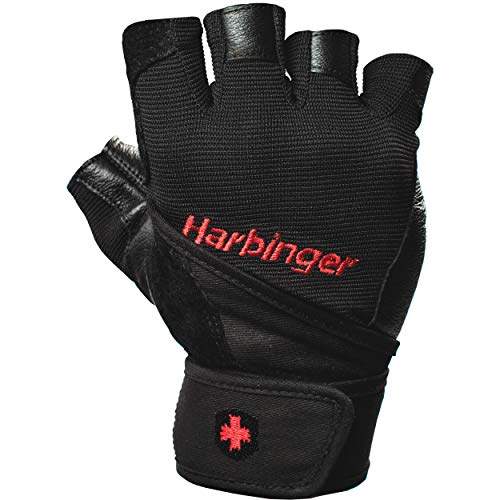
Weightlifting gloves with integrated wrist wraps to stabilize wrist joints for support when lifting weights

ALL-IN-ONE LIFTING GRIPS – THE ONLY GEAR YOU NEED Protected by Registered Patents (No. 2750562, USD752695S1), Cobra Grips replace bulky gym gloves, grip pads, wrist wraps, lifting grips, and power hooks. One compact solution for deadlifts, pull-ups, rows, lat pulldowns, shrugs, and more—saving space in your gym bag while maximizing performance.
Enhancing Grip With Dumbbell Wrist Rotations
When it comes to enhancing our grip strength and fortifying our forearms, dumbbell wrist rotations are a must-have in our workout arsenal. This exercise strengthens key muscles like the pronator teres, supinator, and brachioradialis, boosting grip strength essential for deadlifts and rows. By incorporating dumbbell variations such as the bent-arm and straight-arm styles, we can target different muscle groups effectively. Lightweight dumbbells allow us to focus on high repetitions, promoting muscular endurance and preventing wrist injuries. Remember, maintaining a controlled motion and steady breathing ensures maximum benefits. Performing 3 sets of 15-20 reps consistently will enhance not just our grip but also our forearm rotational strength, making this an integral part of our routine. For those experiencing wrist discomfort during these movements, incorporating weightlifting wraps with proper wrist stabilization can provide additional support and injury prevention.
Recommended Products
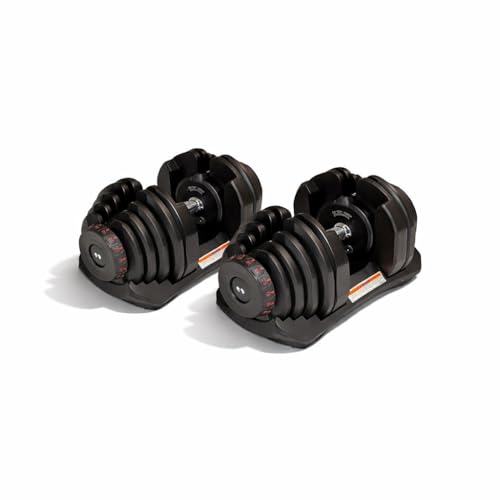
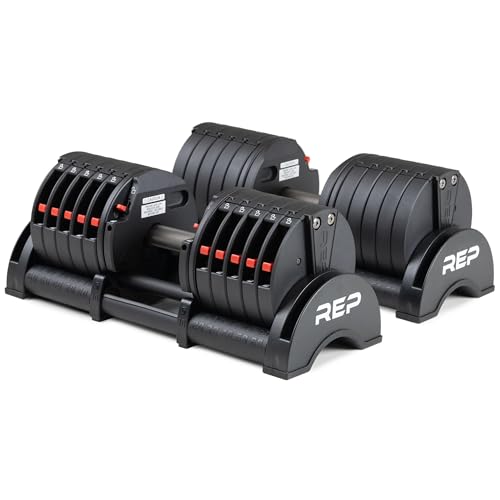
SPACE-SAVING DESIGN: Adjustable dumbbell set replaces multiple dumbbells, perfect for home gyms with limited space. Easily adjust weights from 5 to 60 lb in 2.5 lb increments for versatile workouts.

Up to 88 LB Adjustable Dumbbell System:Engineered for advanced lifters with twelve weight levels from 11 to 88 LB per dumbbell — ideal for heavy strength training and progressive overload.
Effective Grip Training Techniques
If we’re serious about improving our grip strength, exploring a variety of effective grip training techniques can yield substantial benefits. Towel training, like towel pull-ups and wringing, challenges our forearm endurance and crush grip with minimal equipment. By incorporating thick handles, such as Fat Gripz, we force our fingers and forearms to work harder, mimicking real-world tasks. These thick handles can be added to compound lifts for enhanced grip development. Dynamic movements, like modified wrist curls with finger extensions, train our finger flexors at longer muscle lengths, promoting complete strength development. Finally, loaded carries, such as farmer’s walks, build endurance by requiring sustained maximal gripping. Resistance bands can supplement these traditional grip strengthening exercises by providing adjustable resistance levels that accommodate progression while targeting multiple muscle groups in the forearms and hands. Together, these techniques target different aspects of grip strength, ensuring well-rounded improvement.
Sample Forearm Workout Routine
Exploring various grip training techniques is a great start, but let’s focus our efforts on a structured forearm workout routine that incorporates these principles for targeted development. Our routine emphasizes diverse forearm workouts and grip exercises, ensuring balanced muscle growth and strength. Start with dumbbell wrist curls, both palm down and up, to engage wrist flexors and extensors, executing 15-20 reps for 3-4 sets. Incorporate farmer’s carries, walking 12-15 steps with heavy dumbbells to enhance grip endurance and forearm engagement. Add rotational and reverse curls, performing 10-15 reps for 3-4 sets, focusing on controlled movements. This 30-minute circuit, performed 2-3 times weekly, integrates these exercises with minimal rest for optimal hypertrophy and functional grip strength gains. To further challenge your grip and target multiple muscle groups effectively, consider incorporating forearm rollers with adjustable resistance levels that can accommodate your progression as your strength increases.
Tips for Maximizing Your Forearm Training
To truly maximize our forearm training, it’s essential to understand the nuances of loading parameters and exercise execution. We should use weights within 30%-85% of our 1RM, allowing for 5 to 30 reps to effectively stimulate growth. Categorize loading into heavy, moderate, and light sets to manage fatigue and target different training goals. Straight sets close to failure with full recovery maximize muscle stimulus, while controlled eccentrics and pauses enhance technique.
Balancing training frequency and recovery strategies is crucial. Forearms recover quickly, so aim for sessions 2-3 times weekly, adjusting based on individual recovery. Sufficient rest between sets prevents fatigue and ensures quality. Incorporate grip-intensive moves like pull-ups and maintain a mind-muscle connection to boost engagement and growth. For those experiencing grip limitations during heavy lifting, consider using weight lifting straps to enhance grip strength and reduce forearm fatigue, allowing you to focus on targeting primary muscles without grip interference.
Frequently Asked Questions
How Often Should I Train Forearms for Optimal Results?
We should train forearms 2-3 times a week for optimal results. This forearm training frequency ensures enough stimulus while allowing optimal recovery time. Balancing workouts with proper rest helps prevent overtraining and maximizes muscle growth and strength.
Can I Train Forearms Every Day Without Risk?
Training forearms daily, like a river carving rock, requires careful balance. For forearm hypertrophy, daily recovery is crucial. Let’s ensure adequate rest and varied exercises to prevent injuries while maximizing strength and growth.
Are There Specific Forearm Stretches to Prevent Injury?
Yes, there are specific stretches for forearm flexibility and injury prevention. Let’s regularly do wrist flexor and extensor stretches, wrist rotations, and nerve glides. These will improve flexibility, enhance strength, and reduce injury risk.
What Are Common Forearm Training Mistakes to Avoid?
We often make mistakes like neglecting forearm anatomy or using poor grip techniques. Let’s ensure we incorporate variety, maintain proper form, avoid overtraining, and address imbalances to optimize our forearm training and prevent injuries.
How Long Until I See Noticeable Improvements in Grip Strength?
We generally notice grip strength improvements in 6-8 weeks with consistent training. Using forearm measurement techniques and grip strength assessments helps track progress, ensuring we’re on the right path and making necessary adjustments for optimal results.


