As an Amazon Associate, we earn from qualifying purchases. Some links on this site are affiliate links at no extra cost to you. Our recommendations are based on thorough research and editorial judgment.


Understanding Muscle Activation Patterns With Free Weights

When using free weights, our muscles activate in complex patterns influenced by load, lifting speed, and the roles of prime movers and stabilizers. Loads of 40%-90% 1-RM can similarly engage prime movers like the quadriceps. Meanwhile, lifting speed, such as in velocity training, can enhance muscle activation. Free weights excel in engaging stabilizers, improving balance and coordination. Understanding these dynamics helps in crafting effective routines. Let’s explore how these factors work together.
Key Takeaways
- Free weights enhance neuromuscular recruitment, engaging both prime movers and stabilizer muscles for balanced muscle activation.
- Quadriceps show increased activation at higher loads, especially in high-bar squats with free weights.
- Load variation and lifting velocity significantly influence muscle fiber recruitment patterns during free weight exercises.
- Sequential muscle activation patterns can be observed in different muscle groups during free weight exercises like squats.
- Free weights optimize testosterone levels, aiding muscle growth and recovery, enhancing long-term training outcomes.
Load Influence on Muscle Activation
Let’s dive into how load influences muscle activation, an essential aspect of optimizing strength training. Load variation effects on muscle fiber recruitment reveal that muscle activation isn’t strictly linear with increased load. For instance, loads ranging from 40%-60% and 70%-90% 1-RM can produce similar activation levels in prime mover muscles, such as the gluteus maximus and semitendinosus during back squats. Heavier loads, however, lead to maximal activation. Interestingly, moderate loads lifted at maximal velocity can achieve comparable EMG activity to heavier loads, emphasizing that muscle activation varies across different loads. This variation is muscle-specific, influenced by the muscle’s role as a prime mover or stabilizer. Understanding these nuances helps us strategically target different fiber types and optimize hypertrophy pathways in training programs. Training equipment like double end bags can enhance speed and timing development while engaging multiple muscle groups simultaneously for comprehensive strength and coordination benefits.
Velocity and Its Impact on Activation

When it comes to understanding the impact of velocity on muscle activation, it’s clear that lifting speed plays a crucial role in how our muscles respond during exercise. Through velocity training, we can achieve significant muscle activation, sometimes even surpassing that of heavier loads lifted slowly. For instance, exercises like Bulgarian squats and hip thrusts show higher mean EMG activity at maximal velocity, highlighting the importance of muscle efficiency. Key muscles, such as the biceps femoris and gluteus maximus, exhibit greater activation with increased speed. This suggests that by strategically manipulating velocity, we can target specific muscle groups effectively, whether for hypertrophy or rehabilitation. Thus, incorporating maximal velocity lifts can optimize training outcomes while minimizing joint stress. Adding adjustable weights through weighted vests can further enhance muscle activation during these velocity-based exercises by providing customizable resistance levels.
Comparing Free Weights and Machines

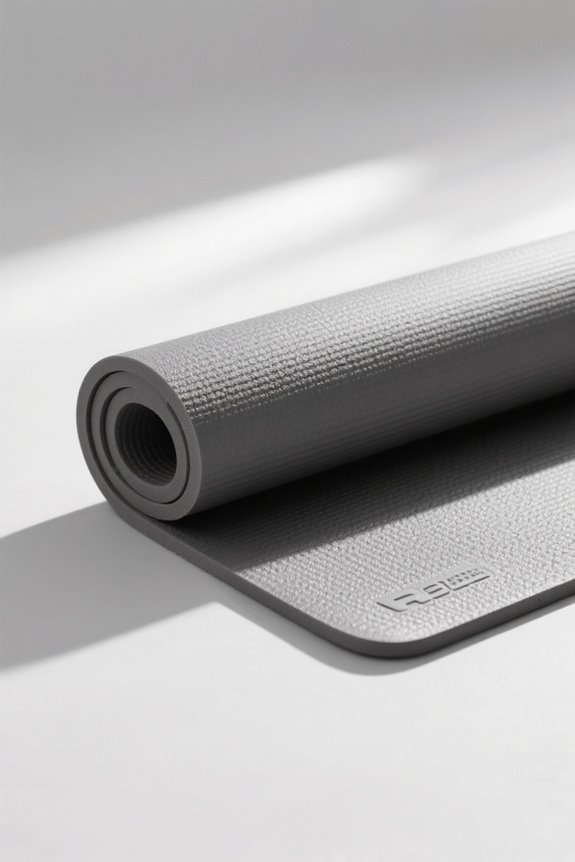
While exploring the debate between free weights and machines, it’s important to consider their unique benefits and limitations. Free weights excel in differential activation, engaging stabilizing muscles and enhancing neuromuscular recruitment due to their inherent instability. This results in greater functional strength and joint range of motion. In contrast, machines provide enhanced machine safety through guided paths, making them ideal for beginners seeking to avoid injury and focus on muscle isolation. Both modalities show similar strength gains and hypertrophy, but free weights uniquely boost acute testosterone levels, potentially creating a more anabolic environment. Just as choosing the right workout equipment matters, selecting appropriate accessories like non-toxic materials for yoga mats ensures a safer practice environment during recovery and flexibility training. Ultimately, our choice should align with our training goals, experience, and specific needs, leveraging the strengths of each modality for optimal results.
Recommended Products

Home Gym Equipment Weight Set:Includes 5, 10, 15, 20, 25, 30, 35, 40, 45, 50, 55, 60, 65, 70, 75, 80, 85, 90, 95, and 100lb dumbbell pairs, (2) of 3-tier racks and (2) of mats. You can use these solid dumbbells in a wide range of exercises, also a perfect choice for both beginners or athletes.

Patented Smith Bar & Weight Multiplier System - Selectorized smith bar with weight stack system that multiplies resistance up to 330 lb. No need for a spotter or olympic weight plates.

CONTENTS: 5lb to 75lb Urethane Dumbbell Set (15 dumbbell pair total) with 3-tier commercial dumbbell rack.
Role of Elastic Bands in Resistance Training

As we delve into the role of elastic bands in resistance training, it’s clear that these versatile tools offer a unique approach to strength development. Elastic band benefits include strength gains comparable to traditional methods, especially in both healthy and clinical populations. Their resistance band versatility shines through with improvements in muscular strength, power, and balance, which are crucial for a well-rounded fitness routine.
Elastic bands provide variable resistance that increases with elongation, optimizing mechanical advantage and enhancing muscle activation patterns. This makes them effective for individuals with varying needs, from elderly patients to those with osteoarthritis. Moreover, they reduce body fat more efficiently than some conventional methods. Modern resistance tube bands offer adjustable resistance levels ranging from 5 to 75 lbs, with some systems supporting up to 300 lbs for serious training applications. These factors make elastic bands an essential tool for comprehensive, adaptable training.
Recommended Products

Engineered for rescue experts in harsh conditions

Durable 3-Layer TriTon fabric ensures reliable waterproof-breathable protection

Build up physical power in your whole body with this AeroPilates reformer machine and have a low impact workout through 11 combinations of resistance bands.
Timing of Muscle Activation in Squats
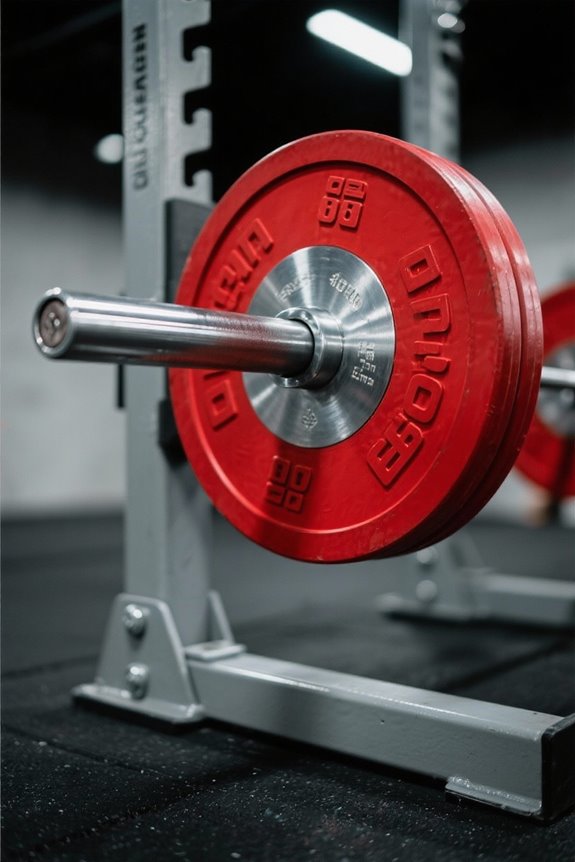
Timing of muscle activation in squats is a fascinating area to explore, revealing the intricacies of how our muscles work together to perform this fundamental exercise. In squats, muscle synchronization and activation efficiency are crucial for effective movement. We notice that the rectus femoris activates first, initiating the upward phase, followed by the vastus medialis and finally the vastus lateralis. This sequential recruitment within the quadriceps ensures knee extension efficiency. Interestingly, the timing of maximal activation remains stable, independent of load magnitude, indicating a coordinated neuromuscular pattern. Despite increased loads slowing barbell velocity, peak activation timing doesn’t change. This stability highlights the body’s ability to maintain muscle activation efficiency, even when faced with varying intensities, ensuring optimal squat performance. Incorporating Pilates rings into your training routine can further enhance muscle activation patterns and core stability for improved squat mechanics.
Neuromuscular Response to Load Variations
Exploring the neuromuscular response to load variations gives us valuable insights into how our bodies adapt to different training stimuli. By adjusting loads during exercises, we can optimize load adaptations, enhancing our neural efficiency. For instance, plyometric jumps with a 10% bodyweight load show the highest rate of force development (RFD), outperforming heavier loads. This suggests that specific loads can maximize explosive power and neuromuscular response. Moreover, additional weight, like a vest, boosts power output and neural responsiveness in our lower limbs. Free-weight training fosters neuromuscular adaptations by increasing axon size and modifying neuromuscular junctions for better neural transmission. This comprehensive approach not only improves muscle recruitment and coordination but also strengthens our stabilizing muscles, promoting injury prevention. When implementing progressive overload with free weights, using Olympic plates in common increments like 2.5, 5, 10, 25, 35, and 45 pounds allows for precise load adjustments that can target specific neuromuscular adaptations.
Analyzing Pneumatic Resistance Benefits
When considering the benefits of pneumatic resistance, it becomes clear that this technology offers unique advantages for enhancing muscle power and performance. Pneumatic equipment advantages include enabling higher movement velocity, which translates to significant improvements in muscle power and efficiency, especially in explosive sports. Athletes benefit from the ability to accelerate rapidly across all loads, enhancing force production at the end range of motion. Additionally, safety implications are notable; the controlled resistance profile of pneumatic systems reduces stress on joints and connective tissues, minimizing injury risks. This is particularly beneficial for those rehabilitating or with fragile conditions, as the smooth resistance and gradual load progression foster safer, more confident training environments. Similar to how lightweight designs in running vests balance performance with airflow considerations, pneumatic systems optimize the balance between resistance and movement freedom. Pneumatic systems truly revolutionize traditional training paradigms.
Recommended Products

ZERO-IMPACT EXERCISE: Ideal for all fitness levels. The natural stepping motion and comfortable seated position eliminates stress on the joints and back while delivering a total body, fat-burning cardio workout. A great exercise option for those with Arthritis, Parkinson's or MS
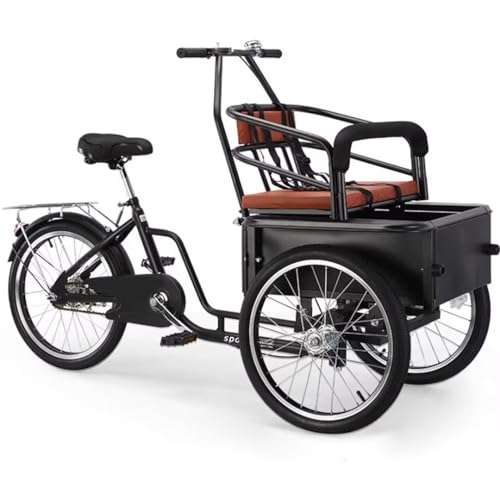
[Outdoor Tricycle] The pedals drive the chain to make the wheels roll forward. The handlebars can be turned left and right, and it is also equipped with a handbrake. It can be used for daily strolling/travel/shopping.

L03-1 Fitness Rack is specifically designed for home gyms, helping you create a versatile workout space at home. Perform squats, bench presses, deadlifts, and push-ups to achieve a full-body workout right in your own home.
Muscle Activation in Back Squats
Muscle activation in back squats is an intriguing area of study as it reveals how different muscles engage under varying loads and techniques. As we increase the external load from 40% to 90% of our one-repetition maximum (1RM), we notice a linear rise in muscle activity, particularly in the quadriceps and gluteus maximus. The hamstrings act as muscle synergists, though their activation is slightly lower compared to the quadriceps at higher loads. Understanding squat mechanics, we see that barbell placement and stance significantly influence muscle activation. High-bar squats favor quadriceps engagement, while low-bar squats enhance gluteus maximus and hamstrings involvement. Furthermore, employing variable resistance like elastic bands can tweak muscle recruitment, increasing velocity and power output during the lift. Similar to how trampolines use advanced spring systems to enhance performance, the elastic properties of resistance bands provide variable force throughout the range of motion, optimizing muscle activation patterns during dynamic movements.
Understanding Deadlift Variations
Although deadlift variations might seem similar at first glance, they each offer unique benefits and challenges that can enhance our strength training regimen. By exploring these variations, we can optimize deadlift performance and muscle recruitment. The sumo deadlift uses a wide stance, emphasizing quads and glutes while reducing lower back strain, ideal for those with lumbar issues. The trap bar deadlift‘s neutral grip aligns with the body’s center, enhancing biomechanical efficiency and overall strength. Deficit deadlifts increase range, demanding more from the posterior chain, while snatch grip deadlifts focus on upper back and grip strength, aiding Olympic lifts. Lastly, partial range deadlifts target lockout strength, allowing us to handle heavier loads, perfect for overcoming sticking points. To complement these compound movements, incorporating ceiling pull-up bars can provide additional upper body training that targets the back, arms, and shoulders through various grip positions.
Free Weights vs. Machines Strength Gains
Strength training enthusiasts often grapple with the decision between free weights and machines, each offering unique benefits for strength gains. In our experience, free weights demand more muscle activation, engaging stabilizer muscles crucial for balance and stability. This leads to greater improvements in maximum and explosive strength, enhancing performance outcomes. On the other hand, machines excel in providing a fixed range of motion, beneficial for beginners by focusing on specific muscle groups and ensuring proper form, especially in exercises like the bench press.
While studies reveal no significant difference in strength gains for untrained individuals, combining both can be advantageous. Free weights offer a broader range of exercises, promoting functional strength, while machines provide a controlled environment, reducing injury risk and supporting specific strength gains. Similar to how battle ropes engage multiple muscle groups simultaneously for efficient full-body workouts, free weights promote comprehensive muscle activation patterns that enhance overall functional strength development.
Recommended Products

Freight Delivery: You must provide an accurate phone number and delivery address on the order so the freight carrier can contact you to schedule the delivery.

💪 Best Home Gym Equipment: Includes 5, 10, 15, 20, 25, 30, 35, 40, 45, 50, 55, 60, 65, 70, 75, 80, 85, 90, 95, and 100lb dumbbell pairs, (2) of 3-tier BLUE RACKs and (2) of MATs. You can use these solid dumbbells in a wide range of exercises, also a perfect choice for both beginners or athletes.

What's included: 5, 10, 15, 20, 25, 30, 35, 40, 45, 50, 55, 60, 65, 70, 75 lb pairs of urethane coated dumbbells and two 3-tiered racks
Exploring Sequential Muscle Activation
When we dive into the realm of sequential muscle activation, particularly in compound lifts, it’s fascinating to see how our muscles work in harmony to execute complex movements. In the squat, for instance, the quadriceps showcase a specific sequential activation: the rectus femoris peaks first, then the vastus medialis, and finally the vastus lateralis. This pattern persists across varying loads, from 30% to 100% of our 1-repetition maximum. Interestingly, other muscle groups, like the gluteus maximus and semitendinosus, don’t follow this sequence but rather activate maximally at different times. In compound exercises like the bench press, prime movers—pectoralis major, anterior deltoid, and triceps brachii—activate simultaneously, ensuring stability and strength throughout the lift. This harmonious activation enhances our lifting efficiency.
Influence of Load on Barbell Velocity
After examining sequential muscle activation patterns, particularly in compound lifts, let’s shift our focus to how load influences barbell velocity. The load mechanics play a crucial role in determining training efficiency, as we see a linear decline in bar velocity with increased load. This load-velocity relationship is stable across strength levels, aiding in accurate strength assessments and fatigue management. By understanding velocity thresholds, we can make resistance adjustments that optimize performance metrics. It’s fascinating how bar dynamics guide us in predicting 1RM while ensuring safety with lighter loads. Employing these insights, we can refine our training regimens, tailoring loads to individual capabilities and readiness, ensuring we’re maximizing gains while minimizing injury risk. This precision enhances both safety and performance.
Coordination of Prime Movers and Stabilizers
How do prime movers and stabilizers work together to optimize our workouts? Let’s explore the synergy between these muscle groups. Prime movers, like the pectoralis major in a bench press, generate the main force. Meanwhile, stabilizer muscle coordination, involving muscles like the rear deltoids, ensures posture and joint alignment, enhancing prime mover efficiency. During a pull-up, the latissimus dorsi acts as the prime mover, while triceps stabilize shoulder and elbow joints. This coordination allows us to lift with precision and safety. Free weights demand more from stabilizers than machines, as they require us to balance loads naturally, enhancing neuromuscular coordination. By engaging stabilizers, we not only boost our strength but also protect joints and prevent injuries, making our workouts more effective.
Benefits of Combination Training
As we’ve explored the synergy between prime movers and stabilizers, it’s clear that a well-rounded approach to training can greatly enhance our workouts. Combination training, which merges aerobic and resistance exercises, offers remarkable benefits. It promotes greater fat loss, with significant reductions in fat mass observed early on (*p* = 0.044), and boosts lean body mass more effectively than resistance training alone (*p* = 0.015). This dual approach also elevates our cardiovascular health, lowering CVD risk by 17% and enhancing blood pressure and lipid profiles. Moreover, combination training increases our resting metabolic rate, aiding in efficient fat oxidation. By improving muscular endurance and strength simultaneously, we maximize our overall health, making this approach indispensable in our fitness routines.
Recommended Products
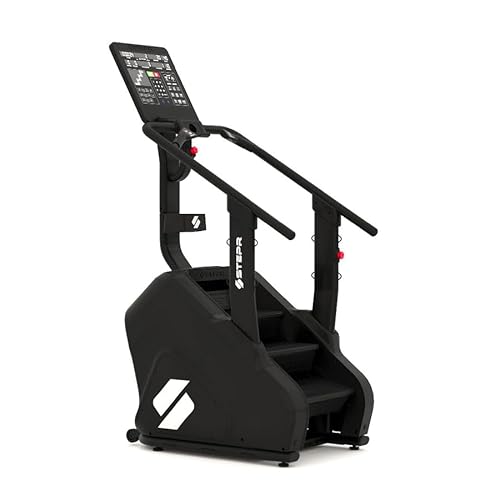
Commercial Grade Construction: Designed for durability, this stair stepper machine withstands rigorous use. Its commercial grade build makes it the ideal stair machine for intense home workouts, ensuring longevity and reliability.

COMPACT AT HOME GYM: Endless versatility at home with the ability to do hundreds strength training and resistance exercises. Equipped with two 165 Ib weight stacks, sliding pulleys, a pull up bar, and a complete accessory kit, this at home gym has one the industry’s smallest footprints in a full functional trainer

[Zero Wait Time Efficiency] Transform your workout routine with true dual-user capability that allows couples or training partners to exercise simultaneously without interference. While one person performs Smith machine squats, the other can complete cable crossovers on the opposite side—maximizing gym time and eliminating the frustration of waiting turns.
Adapting Muscle Recruitment Strategies
When we think about adapting muscle recruitment strategies, free weights often come to mind as an essential tool in enhancing our workouts. The unstable environment they create leads to increased muscle activation, particularly engaging stabilizer muscles crucial for stability training. This instability demands more neuromuscular coordination, which can improve overall muscle recruitment and strength gains over time. By incorporating a variety of exercises, free weights target different muscle groups, enhancing core engagement and muscle balance. As we adapt to free weights, our core stability and muscle coordination improve, paving the way for better strength transfer to real-life movements. Let’s not forget the hormonal benefits; increased testosterone levels from free weight training can further aid muscle growth and recovery, especially in men.
Frequently Asked Questions
What Are the Common Injuries Associated With Free-Weight Training?
We often see shoulder injuries, knee injuries, back strains, wrist pain, and elbow tendinitis from free-weight training. Muscle tears are common too, usually from poor form or overexertion. Let’s focus on prevention to stay safe.
How Does Diet Influence Muscle Activation During Workouts?
Our diet greatly influences muscle activation during workouts. By maintaining proper macronutrient balance and optimizing meal timing, we can enhance energy availability and recovery, leading to improved performance and muscle activation efficiency in our training sessions.
Can Age Affect Muscle Activation Patterns in Strength Training?
Yes, age affects muscle activation patterns in strength training. We experience age-related changes in muscle recruitment, with older adults showing reduced voluntary activation. Training can help improve neural drive and muscle coordination, mitigating these effects.
What Recovery Strategies Best Support Muscle Activation Post-Exercise?
We should focus on active recovery and foam rolling to enhance muscle activation post-exercise. Active recovery boosts blood flow and metabolic waste removal, while foam rolling alleviates tension, promoting faster recovery and readiness for future workouts.
How Does Hydration Status Impact Muscle Activation and Performance?
Hydration levels significantly impact muscle activation and performance outcomes. When we maintain proper hydration, we support optimal muscle function and endurance. Dehydration, however, can lead to reduced strength, endurance, and overall performance, impacting our exercise effectiveness.