As an Amazon Associate, we earn from qualifying purchases. Some links on this site are affiliate links at no extra cost to you. Our recommendations are based on thorough research and editorial judgment.


Stretching Routines Using Resistance Bands for Flexibility

Let’s optimize flexibility with resistance bands! Stretching routines using these bands enhance range of motion, increase muscle-tendon strength, and boost joint mobility. They come in various forms, like looped and tube with handles, offering adjustable resistance for progressive training. Compact and portable, they’re perfect for home workouts or while traveling. Plus, they improve blood flow, reduce soreness, and prevent injuries. Incorporate these versatile bands into your exercise regimen for significant flexibility gains and more insights await.
Key Takeaways
- Incorporate resistance bands to enhance range of motion and joint mobility through dynamic stretching routines.
- Use bands for both upper and lower body exercises, improving flexibility without bulky gym equipment.
- Progressive resistance in bands helps increase stretch tolerance and reduce muscle-tendon stiffness.
- Target multiple muscle groups with diverse band configurations for comprehensive flexibility training.
- Utilize door anchors for varied stretching techniques, promoting better upper body flexibility and injury prevention.
Benefits of Resistance Bands for Flexibility
When it comes to boosting our flexibility, resistance bands offer a wealth of benefits that shouldn’t be overlooked. They enhance our range of motion and joint mobility through dynamic stretching, complementing exercises that we might already be practicing. By applying controlled tension, bands allow our muscles to lengthen gradually, promoting mobility and muscle recovery. This targeted approach not only supports recovery but also prevents injury by improving muscle and joint function over time.
The gentle resistance bands provide increases blood flow to our muscles, reducing tightness and soreness post-exercise. This increased circulation facilitates faster muscle recovery, making bands essential for athletes and individuals focused on agility. Their joint-friendly nature ensures safe stretching around sensitive areas, minimizing risks while enhancing flexibility effectively. For optimal flexibility training, bands typically measuring 72 inches or more provide the length needed for taller users to perform a wider range of stretching exercises.
Recommended Products

𝐌𝐎𝐈𝐒𝐓𝐔𝐑𝐄 𝐏𝐑𝐎𝐎𝐅 𝐃𝐔𝐑𝐀𝐁𝐈𝐋𝐈𝐓𝐘: Crafted from sturdy Oak wood and plywood, our bathroom vanity with sink offers reliable moisture resistance, this double door bathroom cabinet sink ensures long lasting use
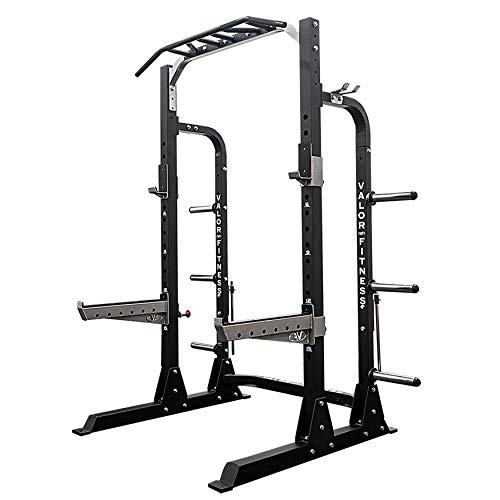
Heavy Duty Squat Rack: One of the strongest racks you will find. Rated for 750 lb, constructed with a 3" x 3", 11-gauge steel for strength and durability throughout the frame. The floor mount base support adds further stability to this half rack, while you have the option to remove the rubber end caps and bolt the unit to the floor if required for even more stability

Versatility and Adaptability of Resistance Bands

Resistance bands, with their incredible versatility and adaptability, redefine how we approach our fitness routines. These bands come in various configurations, such as looped, tube with handles, and therapy styles, providing a full spectrum of exercises. Whether we’re engaging small hip abductors with mini-bands or performing full-body workouts with long bands, the options are endless.
Incorporating resistance bands into our routines allows for targeted muscle engagement across different groups. Upper body exercises like bicep curls and shoulder presses mimic traditional weights, while lower body movements like squats and lateral walks become more challenging. The adaptability of resistance bands is unmatched, fitting seamlessly into home, gym, or outdoor environments without the need for bulky equipment, making them accessible and user-friendly. Their adjustable resistance levels support progressive training, accommodating both beginners and advanced users seeking effective workout solutions.
Recommended Products

With its small footprint, our entry level cross trainer model is a popular choice for small spaces. Easy to access and easy to use, the NuStep T4r empowers users of virtually any fitness level to experience the many life-transforming benefits of exercise.

The closest thing to a professional studio — at home Experience what Pilates instructors and studios worldwide rely on. The Studio Reformer's proprietary carriage delivers one of the longest, smoothest, quietest rides available — no jerks, no noise, just pure control.

Patented Smith Bar & Weight Multiplier System - Selectorized smith bar with weight stack system that multiplies resistance up to 330 lb. No need for a spotter or olympic weight plates.
Progressive Resistance and Flexibility Gains

Incorporating progressive resistance into our flexibility training routines is a game-changer, as it not only enhances our range of motion (ROM) but also strengthens our muscles in tandem. By utilizing resistance bands, we experience muscle tendon adaptations and stretch tolerance enhancement, which contribute to significant flexibility gains. Dynamic stretching under load reduces muscle-tendon stiffness, allowing us to achieve greater ROM. As we get used to the discomfort of external torques during resistance exercises, our pain tolerance rises, pushing our flexibility boundaries further. Progressive resistance, with incremental increases in load, efficiently stimulates connective tissue remodeling. This approach is particularly beneficial for untrained individuals, who see notable ROM improvements, though trained individuals can still achieve measurable gains. The varied resistance levels available in modern therapy bands allow us to precisely calibrate our training intensity to match our current flexibility and strength capabilities. Let’s embrace these techniques for optimal outcomes!
Recommended Products
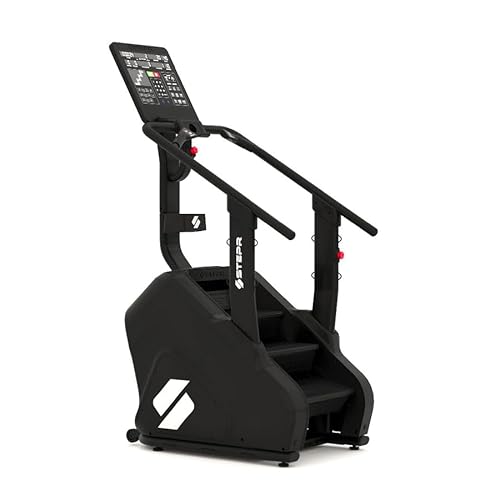
Commercial Grade Construction: Designed for durability, this stair stepper machine withstands rigorous use. Its commercial grade build makes it the ideal stair machine for intense home workouts, ensuring longevity and reliability.
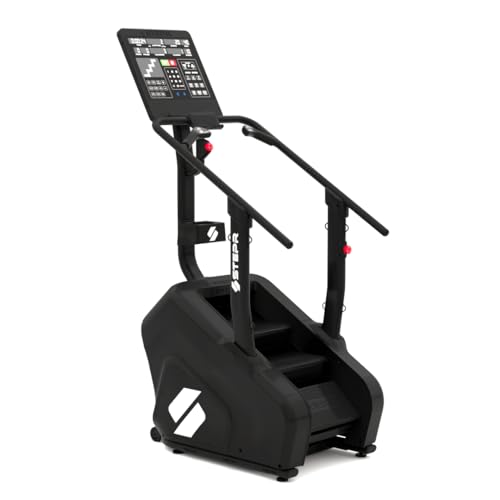
Commercial Grade Construction: Designed for durability, this stair stepper machine withstands rigorous use. Its commercial grade build makes it the ideal stair machine for intense home workouts, ensuring longevity and reliability.

🎁🎁🎁Unlock Your Free Gift! Simply Bundle The Yoga Mat, Extender Belt Attachments, And Barbell Pad In Your Cart. ❤️❤️❤️❤️❤️One-Year Price Guarantee!One-Year Price Guarantee!One-Year Price Guarantee!
Functional Training With Resistance Bands

Although traditional weights are effective, functional training with resistance bands offers unique advantages that elevate our workout experience. Bands enhance our functional strength by mimicking real-life, multi-joint movements, making daily tasks easier. As we engage in exercises using bands, continuous tension recruits multiple muscle groups, improving our dynamic coordination and movement efficiency. This means stabilizer muscles get a more effective workout, promoting balanced muscle development essential for functional activities.
Moreover, bands support dynamic acceleration and deceleration, critical for sports and daily motion. They help improve balance, walking speed, and sit-to-stand tasks, which are key markers of functional fitness, especially as we age. By incorporating resistance bands into our routine, we can optimize strength and coordination efficiently and safely. The adjustable resistance levels available in quality band sets allow users to progress gradually while targeting multiple muscle groups for comprehensive functional training.
Recommended Products
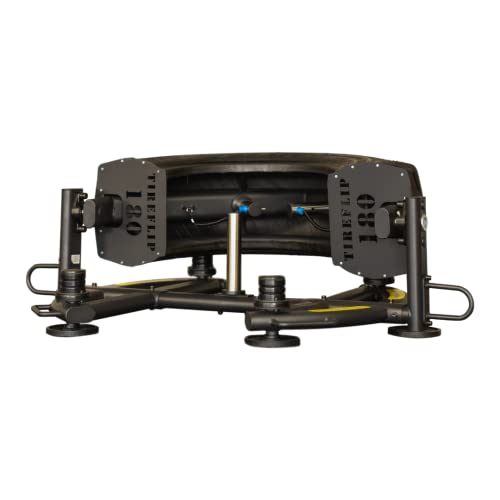
The TireFlip 180XL is the ORIGINAL and PATENTED tire flipping solution. Safely flip tires with this functional training device. No longer do you need 50 or more feet to flip tires.

L06 is constructed of commercial steel for structural stability and durability. Dimensions - The footprint is 45.27 inches long x 57.38 inches wide x 85.58 inches high. Unit can be used with 1-inch and 2-inch barbell plates.
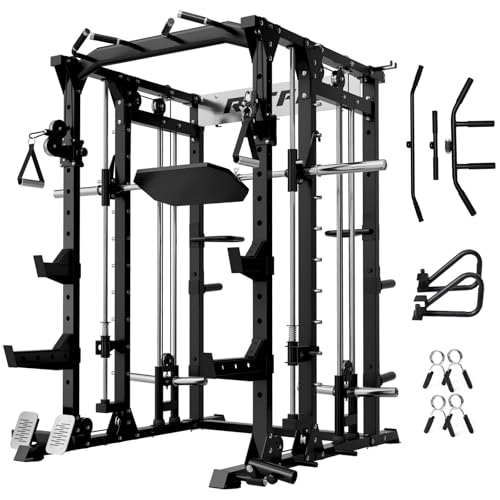
Industrial-Grade Stability and Durability: Crafted with 2"x3" steel uprights, the RitFit Buffalo Power Cage boasts dimensions of 79" x 68" x 81" for an imposing presence in your home gym. Its robust construction ensures exceptional stability and durability, standing up to the rigors of intense training sessions.
Practical Advantages: Portability and Cost-effectiveness

When it comes to practical fitness solutions, resistance bands stand out for their portability and cost-effectiveness. These user-friendly features make them perfect for on-the-go workouts. We can easily slip them into gym bags or suitcases due to their lightweight and compact nature, unlike bulkier free weights. This versatility means we can maintain our flexibility routines anywhere—at home, in the office, or outdoors—without needing dedicated storage space.
Additionally, resistance bands are a budget-friendly option. They’re significantly less expensive than traditional gym equipment, providing comparable benefits without breaking the bank. Investing in multiple bands with varying tension levels offers diverse training options at low cost. Their durability and low maintenance reduce the need for costly repairs, making them a smart investment for long-term fitness. Similar to how lightweight designs in running vests enhance portability and comfort during extended activities, resistance bands offer the same convenience for maintaining fitness routines while traveling or exercising in limited spaces.
Safety and Joint-friendly Aspects in Flexibility Training
Ensuring our safety during flexibility training with resistance bands is crucial, particularly when it comes to protecting our joints. Prioritizing joint health and injury prevention begins with inspecting bands for nicks and tears before use. Damaged bands should be discarded to reduce the risk of snapping. Always store them in a cool, dry place, away from sunlight, to maintain elasticity. When using bands, attach them securely to hands or feet with manufacturer-recommended accessories, ensuring stable resistance and joint safety. Slow, controlled movements are key to avoiding joint strain, and it’s essential to maintain proper posture throughout. For enhanced safety during workouts, choose bands with non-slip handles and secure attachment points that minimize the risk of slippage during intense exercises. By employing these practices, we create a joint-friendly environment that supports safe flexibility training and minimizes injury risks.
Effective Stretching Techniques With Resistance Bands
Exploring effective stretching techniques with resistance bands can transform our flexibility routine, offering both versatility and targeted muscle engagement. By incorporating dynamic stretching and resistance training, we can enhance our flexibility and strength simultaneously. For the lower body, lying on our back with a resistance band looped around one foot helps stretch the hamstrings effectively. Seated leg presses with the band underfoot build leg strength and improve flexibility. Additionally, dynamic hip flexor stretches combine band resistance with controlled knee lifts, maximizing our range of motion. For the upper body, pulling the band apart at shoulder height stretches the chest and shoulders, while overhead side stretches target lateral torso muscles. When setting up these exercises at home, using a door anchor provides multiple anchor points for enhanced exercise variety and allows targeting of different muscle groups at various heights. These techniques ensure a comprehensive approach to enhancing our overall flexibility.
Recommended Products

PILATES WALL WORKOUT: Originally designed by Joseph Pilates, the Ped-o-Pull features a compact profile that supports a variety of exercises. This revolutionary Pilates equipment takes up minimal space, making it easy to fit in your home or studio.

INDOOR & OUTDOOR - Perfect for various terrains, our Yoga Stand provides a reliable base for activities on both smooth floors and outdoor landscapes. Includes a convenient travel bag and setup videos

The Web Slide Difference. The Web Slide Professional System organizes your clinic and streamlines patient training sessions. Any resistance bands/tubing, pulley devices, or other exercise equipment that utilizes a Web Anchor Strap for door attachment can be set up and ready to go in seconds with a Web Slide Exercise Rail-no door required!
Frequently Asked Questions
How Do I Choose the Right Resistance Band for My Flexibility Level?
We should choose resistance bands by assessing our flexibility level, band material, and band thickness. Beginners benefit from lighter, thinner bands, while advanced users might opt for thicker bands. Quality materials ensure durability and safe stretching experiences.
Can Resistance Bands Be Used for Warm-Up Before Workouts?
Yes, we can use resistance bands for warm-ups. Imagine improving performance by 79% with bands! Their benefits include enhanced muscle activation and reduced injury risk. Warm-up techniques like shoulder rotations and monster walks activate key joints effectively.
How Often Should I Incorporate Resistance Band Stretching Into My Routine?
We should incorporate resistance band stretching 2 to 3 times a week. This frequency promotes flexibility benefits while preventing overtraining. Consistency is key, so let’s space sessions throughout the week for gradual improvements. Don’t rush, prioritize recovery.
What Are Some Common Mistakes to Avoid While Using Resistance Bands?
We often overlook band positioning and variety, leading to 30% of resistance band injuries. Let’s ensure proper alignment and switch up exercises to avoid pitfalls and maximize our workouts. Consistency and safe practices are key to success.
How Do I Care for and Maintain My Resistance Bands?
We should regularly clean our resistance bands with warm water, avoiding harsh soaps, and store them in a cool, dry place. Don’t overstretch or expose them to sunlight to ensure their longevity and effectiveness.