As an Amazon Associate, we earn from qualifying purchases. Some links on this site are affiliate links at no extra cost to you. Our recommendations are based on thorough research and editorial judgment.

How to Breathe Correctly During Strength Training

Correct breathing in strength training is key for performance and safety. We start with diaphragmatic breathing, inhaling deeply through the nose during muscle lengthening and exhaling through the mouth as we lift. This oxygenates muscles efficiently and reduces injury risk by stabilizing the core. For heavy lifts, the Valsalva maneuver enhances spine support. Focusing on these techniques optimizes endurance and recovery, and by exploring further, you’ll gain a deeper understanding of breathing in workouts.
Key Takeaways
- Inhale during the eccentric phase and exhale during the concentric phase to optimize breathing efficiency.
- Practice diaphragmatic breathing to enhance lung expansion and improve oxygen delivery to muscles.
- Use the Valsalva maneuver for increased core stability during heavy lifts.
- Focus on breath control to maintain intra-abdominal pressure and delay fatigue.
- Practice exhale on exertion technique to stabilize the body and prevent dizziness during intense exercises.
Importance of Breathing in Strength Training
Breathing during strength training isn’t just about getting air in and out; it’s a fundamental component that can enhance our overall performance. By focusing on our breathing patterns, we can significantly improve respiratory efficiency and muscle oxygenation. This, in turn, allows us to push through those tough sets with greater ease. Proper breathing patterns also engage our core, providing the crucial support needed for maintaining stability during heavy lifts. When we synchronize our breaths with our movements, we enhance muscle oxygenation, ensuring that our muscles receive the oxygen they need for optimal performance. Let’s not forget that efficient breathing patterns contribute to a more stable core, reducing the risk of injury and enabling more effective force generation during our workouts. Just as professional boards provide essential support and organization for creative and professional tasks, proper breathing technique serves as the foundational support system for all strength training movements.
Key Benefits of Proper Breathing Techniques

Having established how critical breathing is to our strength training success, let’s now explore the key benefits of mastering proper breathing techniques. By enhancing our breathing awareness, we can significantly improve cardiovascular health. Proper breathing lowers blood pressure, akin to the effects of aerobic exercise or medication, and enhances oxygen delivery to cardiac tissues, boosting heart efficiency. Performance enhancement is evident as breathing exercises increase inspiratory and expiratory muscle strength, such as the diaphragm, critical for lung ventilation. This improvement supports higher intensity workouts by maintaining steady oxygen intake. Additionally, controlled breathing optimizes muscle recovery, reducing carbon dioxide buildup and aiding metabolic waste removal. When combined with proper equipment featuring safety mechanisms like spotter arms and lock latches, controlled breathing techniques become even more effective during heavy compound movements such as squats. Lastly, it supports mental focus and relaxation, enhancing exercise adherence and reducing stress during intense sessions.
Common Breathing Techniques in Strength Training
When it comes to strength training, understanding and applying common breathing techniques can greatly enhance our performance and safety. By mastering breath timing and ensuring oxygen efficiency, we can optimize our workouts. Diaphragmatic breathing, for instance, uses our diaphragm to maximize lung expansion, boosting oxygen intake and reducing fatigue. The inhale-exhale pattern, inhaling during the eccentric phase and exhaling during the concentric phase, is a staple in exercises like squats and chest presses—supporting stability and muscle engagement. Breath holding, while increasing blood pressure, is favored in powerlifting for core stability. However, reversed breathing—exhaling during muscle lengthening and inhaling during shortening—offers an alternative approach. Just as with battle rope training where proper breathing enhances coordination and endurance during intense sessions, controlled breathing patterns are essential for maximizing strength gains while maintaining safety. By practicing these techniques, we can sustain energy and improve our strength training results.
Recommended Products
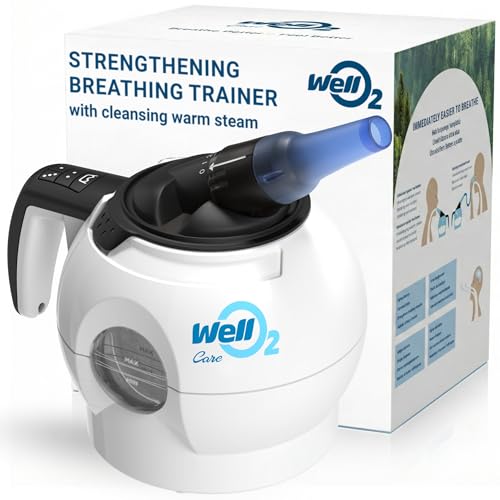
UNIQUE STEAM + RESISTANCE EXPERIENCE – Unlike basic dry airflow trainers, WellO2 combines adjustable breathing resistance with a gentle warm steam feature to create a smoother more comfortable daily breathing.

The Original AirPhysio: The AirPhysio breathing exercise device for lungs is an internationally recognized portable breathing trainer used worldwide to support lung capacity, clear airways, and promote better breathing performance.

DESIGNED BY UFC LEGEND BAS RUTTEN: Created by world champion fighter and conditioning expert Bas Rutten, the O2Trainer is built from real-world experience. It’s the same breathing tool Bas used to push his performance to elite levels—and now it’s available to help you do the same.
Understanding the Valsalva Maneuver

The Valsalva maneuver, while a staple in strength training, often raises questions about its proper execution and benefits. This technique involves holding air in our lungs by exhaling against a closed glottis, creating increased intra-abdominal pressure. This pressure acts like a “fluid ball,” stabilizing the spine and enhancing core rigidity, crucial for heavy lifts. When executed with diaphragmatic breathing, where our belly expands, we ensure Valsalva safety and effective breathing duration.
It’s essential to use the Valsalva maneuver correctly, especially during multi-joint, heavy lifts like squats and deadlifts. By inhaling deeply into the belly, bracing the core, and maintaining the breath hold throughout the lift, we can reduce injury risk and potentially increase the weight we lift, all while keeping our spine aligned. Many serious lifters complement this breathing technique with powerlifting belts that provide additional lumbar support and further enhance core stability during heavy compound movements.
Exhale on Exertion Technique

Let’s dive into the Exhale on Exertion technique, a method that can significantly enhance our strength training sessions. By focusing on exhale timing during the concentric phase, this approach helps us improve stability and reduce internal pressure. Contrary to breathing myths that suggest holding our breath during exertion, exhaling through the mouth while lifting weights or performing squats can actually enhance muscle stability and performance. This technique is particularly useful in exercises like squats, deadlifts, and bench presses. Physiologically, exhaling reduces abdominal pressure, minimizing risks such as hernias and vessel strains, and helps regulate blood pressure to prevent dizziness. When using adjustable dumbbells for strength training, proper breathing becomes even more crucial as you transition between different weight settings during your workout. Embracing this controlled breathing pattern supports better oxygen supply, aids muscle recovery, and underscores the importance of aligning our breathing with movement.
Recommended Products

Home Gym Equipment Weight Set:Includes 5, 10, 15, 20, 25, 30, 35, 40, 45, 50, 55, 60, 65, 70, 75, 80, 85, 90, 95, and 100lb dumbbell pairs, (2) of 3-tier racks and (2) of mats. You can use these solid dumbbells in a wide range of exercises, also a perfect choice for both beginners or athletes.

Patented Smith Bar & Weight Multiplier System - Selectorized smith bar with weight stack system that multiplies resistance up to 330 lb. No need for a spotter or olympic weight plates.

Upgraded Speediance Gym Monster: Strength Training, Now at a New Level! Featuring a powerful 2.1-channel speaker, 11 adjustable height levels, AeroRow Rowing Bench, a state-of-the-art cooling system, and an upgraded screen chip, this all-in-one gym immerses you in your workouts, ensuring each session is both engaging and effective
Mastering Diaphragmatic Breathing
Mastering diaphragmatic breathing is a game-changer for those of us looking to enhance our strength training regimen. By employing diaphragmatic techniques, we improve respiratory efficiency, increasing tidal volume and reducing our breathing rate. This method engages core muscles, boosting stability and posture, while also decreasing stress through parasympathetic activation.
Breathing adjustments like focusing on abdominal expansion during inhalation can significantly enhance performance and reduce fatigue. Regular practice, at least 10 minutes per session, strengthens our respiratory muscles and improves lung capacity. Incorporating these techniques into our workouts not only stabilizes the spine but also optimizes oxygenation, enhancing exercise capacity. As a bonus, diaphragmatic breathing aids in stress reduction, making it an invaluable component of our training toolkit. For those seeking to add variety to their breathing exercises, fitness dice can introduce unpredictable challenges that keep respiratory training engaging and prevent monotony in your routine.
Recommended Products
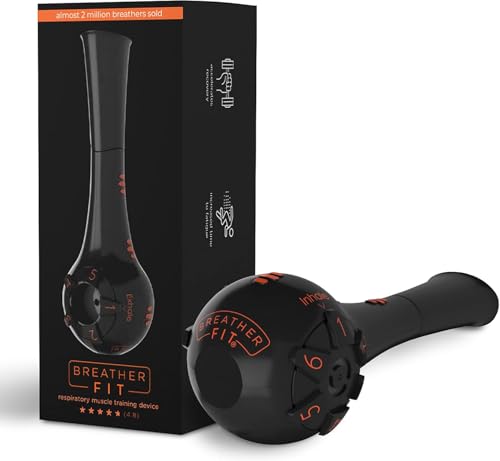
Enhance Lung Strength & Breathing Endurance: Take your respiratory health to the next level with The Breather Fit Respiratory Trainer. Designed to increase lung capacity, strengthen diaphragm muscles, and improve overall breathing efficiency, this lung training device is ideal for anyone looking to boost stamina, endurance, and oxygen intake.

Lightweight 1oz device, Designed for use during exercise.

Unlock Vocal Power with The Breather Voice: Enhance your breath control for smoother, more consistent vocal performance with The Breather Voice—the ultimate respiratory training device designed specifically for singers, vocalists, and performers. Whether you're a professional singer, voice actor, or public speaker, this tool helps you achieve stronger breath support, extended vocal range, and improved diaphragm control.
Advanced Breathing Techniques for Elite Athletes
When it comes to enhancing performance in strength sports, advanced breathing techniques can truly set elite athletes apart. Techniques like advanced resistance breathing and hypoxic adaptation offer significant benefits. By incorporating resistance breathing, we strengthen our inspiratory and expiratory muscles, leading to enhanced respiratory efficiency and a delay in respiratory muscle fatigue. Hypoxic breathing, on the other hand, simulates high-altitude conditions, promoting hypoxic adaptations that can boost aerobic capacity and CO₂ tolerance. Additionally, utilizing pressure breathing can delay fatigue onset, allowing us to push our limits further. These methods, alongside controlled eccentric breathing and strategic high-intensity interval breathing, create a comprehensive approach to maximizing performance. Just as proper breathing form is crucial in strength training, maintaining proper technique is essential when using core strengthening equipment to avoid injuries and maximize effectiveness. Let’s embrace these advanced techniques to elevate our strength training to new heights.
Breathing and Its Physiological Effects
In strength sports, breathing isn’t just an automatic process; it’s a powerful tool we can harness to optimize performance. By understanding breathing applications, we can improve our physiological adaptations. Controlled breathing during training helps maintain intra-abdominal pressure, supporting our spines and stabilizing posture. This process involves the diaphragm and intercostal muscles, which drive inhalation and exhalation, allowing us to maximize oxygen intake and remove carbon dioxide efficiently. Regular practice leads to hypertrophy of respiratory muscles, enhancing inspiratory and expiratory force. These adaptations increase peak inspiratory flow, delay muscle fatigue, and conserve energy by reducing wasted effort. Additionally, inspiratory muscle training can lower heart rate and blood pressure, improving endurance and exercise tolerance through durable physiological changes.
Breathing Strategies for Injury Prevention
Although often overlooked, breathing strategies are crucial for preventing injuries during strength training. By mastering breath coordination, we can significantly reduce our injury risk. Proper intrathoracic pressure control stabilizes the spine and minimizes compression, which is vital during heavy lifts. Techniques like the Valsalva maneuver improve core rigidity, offering better spinal support. Similarly, lung packing maximizes lung volume, enhancing lift stability and efficiency. Timing our inhalations and exhalations correctly—such as inhaling during the eccentric phase and exhaling during the concentric phase—helps maintain control and avoid pressure spikes. Diaphragmatic breathing boosts core stability, reducing compensatory movements that lead to injury. By regulating our breath, we also minimize muscle tension and enhance motor control, further decreasing injury risk. Post-workout recovery can be enhanced through proper breathing combined with tools like foam rollers, which help relieve muscle tightness and promote faster healing.
Recommended Products

Front Zipper Design- Our custom MIR Zipper is designed to withstand 200lbs of pressure. You will see the official MIR Zipper handle which was made specifically for our vest. Designed and tested to last a lifetime. Zip up and workout within a matter of seconds. The zipper gives all user the ability to put on and take off the vest in no time. The zipper is covered under our MIR lifetime warranty.

Flexible support belt with heavy-duty hook and loop closure designed by 4X World's Strongest Man, Brian Shaw, to provide warmth and varying levels of comfortable forgiving abdominal and lumbar support
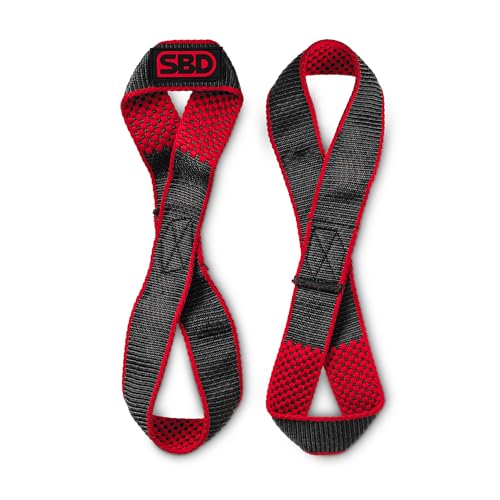
Figure 8 Design: Patented design locks securely onto the wrist, tightening as the weight loads for unmatched bar connection.
Breathing Techniques for Improved Endurance
Understanding how we breathe during strength training doesn’t just prevent injuries; it also plays a key role in improving our endurance. With diaphragmatic breathing, we engage the diaphragm for greater lung expansion, optimizing oxygen delivery and enhancing endurance by reducing fatigue. Practicing this regularly, especially with good posture, can support sustained exertion by managing stress and delaying fatigue. Additionally, incorporating breathing resistance training can further boost endurance optimization. By using devices that add inspiratory or expiratory resistance, we can strengthen respiratory muscles and increase our ventilatory threshold. Establishing rhythmic, controlled breathing patterns is key—like inhaling for a count and doubling the exhalation—to improve breath control. These techniques not only enhance respiratory efficiency but also facilitate better cardiorespiratory performance. For lower-body exercises like squats and lunges, proper breathing becomes even more crucial as these movements require significant muscle engagement, and combining them with fabric resistance bands can provide additional support while maintaining proper respiratory form.
Recommended Products


Flutter Valve Device for Lungs
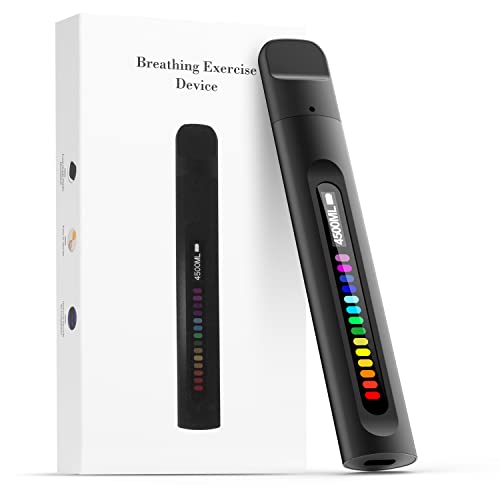
BREATHING EXERCISE DEVICE - Perfect for sportsperson and athletes who wants to improve performance, people who wants to improve wellbeing.It is recommended to use for 5-10 minutes a day,start training with 3-5 groups every day, and then increase intensity according to your own situation.
Practical Breathing Guidelines for Beginners
When it comes to starting your strength training journey, mastering the basics of breathing can make all the difference in your performance and safety. We can avoid beginner mistakes by focusing on breath awareness, specifically through diaphragmatic or belly breathing. By inhaling through the nose during the lowering phase and exhaling through the mouth during the lifting phase, we maximize oxygen intake and core stability. Before lifting, let’s practice 8-10 deep belly breaths, placing our hands on our bellies to ensure proper form. Relaxing our jaw and maintaining an upright posture helps prevent stress breathing. As we gradually integrate breath with movement, maintaining a consistent rhythm is crucial. For those looking to add variety to their strength training routine, resistance bands offer adjustable tension levels that can complement proper breathing techniques while targeting multiple muscle groups. Remember, controlling our breath can manage fatigue and enhance overall performance.
Current Research and Future Directions in Breathing and Strength Training
Why is breathing such a pivotal aspect of strength training? Recent breathing research shows the significant role of Respiratory Muscle Training (RMT) in enhancing performance. By following specific training protocols, such as 6–8 weeks of inspiratory maneuvers, we can improve respiratory muscle strength and endurance. This improvement leads to increased maximum inspiratory pressure, benefiting our breathing mechanics during intense strength exertion.
Looking ahead, future research should delve into less-explored methods like tapered flow resistive loading and examine the effects of RMT on diverse groups, including females and disabled athletes. Combining respiratory training with physical exercises has shown to boost exercise capacity, suggesting a promising direction. Let’s continue exploring these exciting avenues to optimize our training outcomes.
Frequently Asked Questions
How Does Breathing Affect My Mental Focus During Workouts?
As they say, “Mind over matter.” When we practice proper breathing techniques, our mental clarity during workouts improves. Slow, controlled breaths stabilize our focus, allowing us to concentrate better and reduce cognitive fatigue, enhancing overall performance.
Can Improper Breathing Lead to Long-Term Health Issues?
Yes, it can. If we’re not mindful of our breathing mechanics, it might reduce lung capacity over time, leading to chronic health issues. Let’s ensure we breathe correctly to support long-term health and performance.
Is There an Optimal Breathing Rhythm for Each Type of Exercise?
Yes, there’s an optimal breathing rhythm for each exercise type. While it might sound complex, rhythmic breathing patterns enhance performance. For compound lifts, hold breath briefly; for endurance, breathe continuously. Each pattern supports specific exercise needs effectively.
How Do I Know if I’m Over-Breathing During Exercise?
We know we’re over-breathing if we notice symptoms like dizziness or rapid breathing. Let’s use breathing cues to check breath awareness. If we’re light-headed or anxious, it’s time to slow down and focus on controlled breaths.
Are There Breathing Techniques Specifically for Reducing Workout Anxiety?
Yes, we can use breathing exercises like box breathing and alternate nostril breathing to reduce workout anxiety. These techniques foster mental relaxation by engaging the parasympathetic nervous system, helping us stay calm and focused during exercise.