As an Amazon Associate, we earn from qualifying purchases. Some links on this site are affiliate links at no extra cost to you. Our recommendations are based on thorough research and editorial judgment.


Jump Rope Technique for Beginners: Common Mistakes to Fix

Let’s fix common jump rope mistakes together! We should focus on a relaxed grip, using our wrists for smooth rope rotation. Jump from the balls of our feet, aiming for a 1-2 inch lift, keeping our spine neutral and core engaged. Avoid double bouncing by making small, quick jumps. Consistent rhythm is key; aim for 120-150 bpm. Ensure safe spaces by jumping on flat surfaces, and keep arms close with elbows bent. Curious to enhance your technique further?
Key Takeaways
- Avoid double bounces by keeping jumps low and using quick, small movements.
- Use wrist rotation instead of arm swings to turn the rope effectively.
- Maintain a tall posture with a neutral spine and slightly bent elbows.
- Keep feet close together, jumping from the balls of the feet with slightly bent knees.
- Practice without the rope to improve timing and coordination before incorporating it into your routine.
Proper Grip and Wrist Movement
When it comes to mastering the art of jump rope, understanding the proper grip and wrist movement is crucial for beginners. Our grip should be relaxed, allowing smooth rope rotation and control. It’s essential to adjust our grip according to the rope’s weight or style to prevent over-gripping, which can hinder performance. Remember, the top of the handle should face outward, with our thumb positioned on top for stability.
Wrist flexibility is vital; the rope’s rotation should primarily come from wrist action, not the elbows or shoulders. Keeping our wrists angled downward toward the ground ensures control and symmetry. By practicing smooth wrist rotation, we conserve energy and maintain efficiency. Look for jump ropes with ergonomic handles that provide superior grip and moisture-wicking properties to enhance comfort during extended practice sessions. Proper grip and wrist movement will enhance our jump rope skills significantly.
Recommended Products
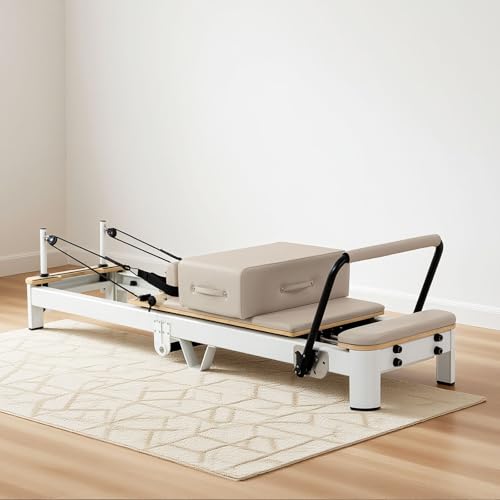
Ultra3.0 Premium Pilates Reformer: Built with aerospace-grade aluminum and stainless steel frame, natural maple wood, and U.S made skin-friendly PU materials, delivering a professional workout experience as comfortable as lying on a luxury mattress.

1. SPACIOUS INFLATABLE WATER TRAMPOLINE FOR LAKES & POOLS:Dive into endless fun with our commercial-grade inflatable water trampoline, featuring a 330-pound capacity for adults and kids to jump simultaneously. Its oversized floating surface pairs with cool lake/ocean water for exhilarating water slides inflatables-style excitement

ALL-IN-ONE STRENGTH TRAINING SOLUTION: Adjustable in 2.5 or 5 lb adjustable weight increments, this PowerBlock dumbbell has a starting range of 5-40 pounds per hand can expand to 100 pounds with the included expansion kits.
Foot Positioning and Jumping Height
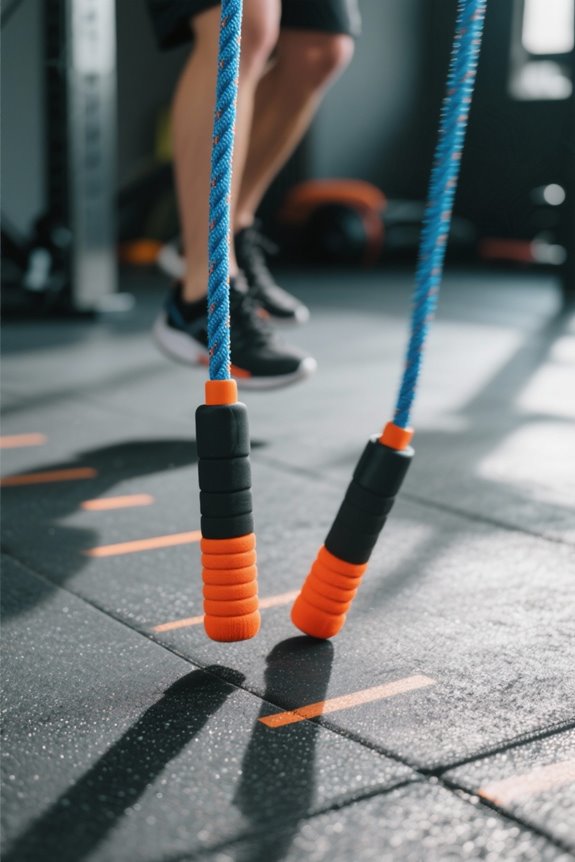
Mastering foot positioning and jumping height is essential for efficient and effective jump rope technique. We should focus on foot alignment by keeping a narrow stance and jumping from the balls of our feet. This minimizes impact and ensures proper muscle engagement. A slight knee bend helps absorb shock and maintain control. For optimal jump timing, aim to lift your feet just 1–2 inches off the ground to clear the rope, conserving energy and reducing injury risk. Avoid kicking feet backward or landing flat-footed, as these disrupt rhythm and balance. Practicing footwork drills without the rope first can improve timing precision. With consistent, low jumps, we enhance rhythm and develop faster jumping abilities while minimizing fatigue and joint stress. Quality jump ropes with ball bearing systems ensure smooth, tangle-free rotation that supports proper timing and rhythm development for beginners.
Recommended Products

Bluetooth-connected weighted jump rope set for high-intensity interval & endurance fitness training

First weighted jump rope system built to help you achieve your weight loss and fitness goals
Body Posture and Balance

While jumping rope may seem straightforward, maintaining proper body posture and balance is crucial for both efficiency and safety. To optimize our body alignment, we should keep a tall, neutral spine, avoid leaning, and pull our shoulder blades back slightly. This stabilizes our upper body, allowing energy to transfer efficiently. Our head should be extended upward, with the chin slightly tucked, while our eyes focus on a fixed point ahead. This head position aids in balance techniques, reducing neck strain and premature fatigue. We should also engage our core muscles lightly to support stability and minimize sway. Finally, landing softly on the balls of our feet, with knees bent, helps distribute impact forces evenly, enhancing balance and coordination. Just as serious lifters require proper equipment for functional strength development, beginners need to establish correct posture fundamentals before progressing to advanced jump rope techniques.
Avoiding the Double Bounce

We’ve got our posture and balance sorted, now let’s focus on avoiding the common pitfall of the double bounce. This occurs when we land twice per rope revolution—an extra jump that drains energy and hinders efficiency. To master jump timing, we should keep our jumps low, ideally 1/4 to 1/2 inch off the ground, avoiding that unnecessary half-hop. Using our wrists, not our arms, to turn the rope enhances energy efficiency and control. Practicing without the rope helps cement muscle memory, ensuring our timing aligns exactly with the rope’s swing. By maintaining slightly bent knees and elbows close to our bodies, we refine our rhythm, eliminating the double bounce. A rope with ball bearings can help promote speed and efficiency during workouts by providing stable rotation that supports better timing. These adjustments optimize our jump rope workout, making it sustainable and effective.
Recommended Products
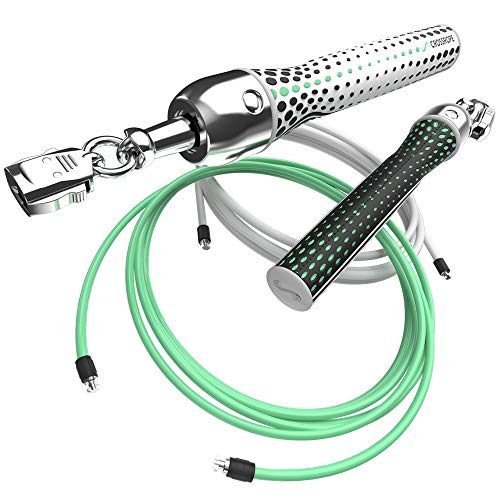
First weighted jump rope system built to help you achieve your weight loss and fitness goals

FOR HOME OR ON THE GO: The days of a heavy workout bag filled to the brim with multiple pieces of equipment are behind you. Forget having to commit to one place to workout because “that’s where my gym is.” With ResistaRope, you can get a complete & full-body workout with no other equipment.

Bullet COMP Jump Rope: Pair the Bullet COMP with the included bare steel cable and the combination makes double unders incredibly smooth and fast. Dual ball bearing premium aluminim speed handles.
Preventing High Jumps and Heel Kicks

High jumps and heel kicks can sap energy and disrupt rhythm, so let’s tackle these common issues with precision. To enhance jumping efficiency and foot control, keep your heels elevated and land softly on the balls of your feet. This engages your calf muscles, minimizing injury risk and maintaining rhythm. Aim for minimal jump height, about 1-2 inches, to conserve energy. Practice rhythmic side swings to develop timing and height control before attempting full jumps. Keep your knees slightly bent to absorb impact and synchronize wrist flicks with low jumps. Maintain an upright posture, with your arms close and elbows bent. Focus on small, quick jumps rather than large hops to improve foot control and prevent unnecessary heel kicks.
Recommended Products
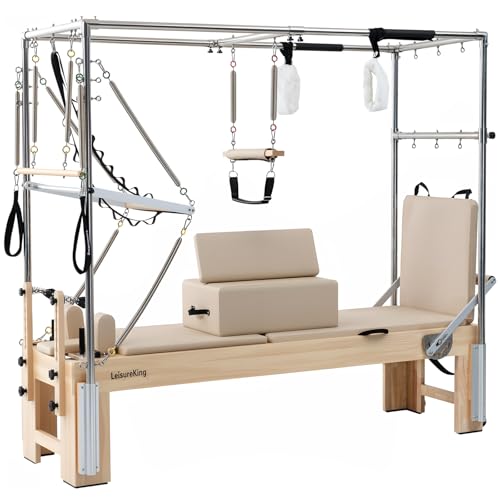
3-in-1 Versatility: This reformer cadillac combo combines a Pilates reformer, Cadillac trapeze, and tower to deliver everything you need for core training, full-body toning, and rehab. It's a studio-grade machine built to grow with your ability
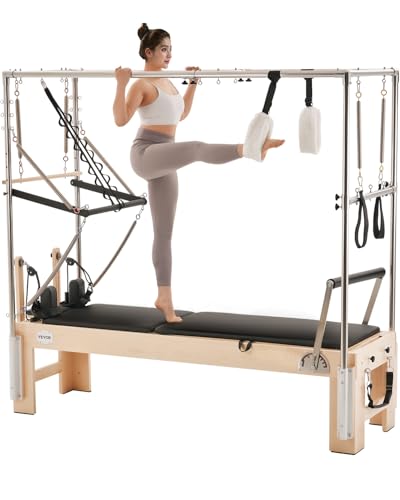
Premium Structure: This pilates reformer features a stunning and sturdy solid maple wood frame with a sleek interior, supporting up to 400 lbs. Its strong construction ensures enhanced stability and support, making it perfect for your daily meditation and workout needs

Relaxing the Grip for Better Control
Mastering the art of jump rope isn’t just about the jumps themselves; it also involves perfecting the grip for optimal control. Grip relaxation is key to control improvement, allowing for smoother rope rotation. The grip should be firm enough to prevent slipping yet relaxed to avoid restricting movement. An overly tight grip can hinder speed and make tricks difficult. By focusing on the wrist for rope control, rather than the elbows or shoulders, we maintain efficient movement. Aligning our forearms ensures symmetry and balance, enhancing overall performance. Adjusting grip pressure according to rope size and material is crucial. Practicing consistently, starting with basic jumps, helps develop muscle memory for better grip control, improving our skills over time. Additionally, choosing jump ropes with ergonomic handles made from materials like synthetic rubber or EVA memory foam can significantly reduce hand fatigue and provide better grip comfort during extended practice sessions.
Keeping Hands and Wrists Low
When it comes to mastering the jump rope technique, keeping our hands and wrists low is crucial for maintaining control and efficiency. Our hand position should be near hip or waist level, with elbows tucked close to our sides. This placement ensures balance and minimizes tripping risk. Wrist control is key, as the rope’s rotation primarily comes from flicking our wrists, not swinging our arms. By maintaining low hands, we shorten the effective rope length, which enhances rope mechanics and efficiency. Our thumbs should point outward, pushing the rope forward smoothly. This helps maintain consistent rope speed and rhythm, reducing vertical displacement. Practicing wrist rotations and monitoring symmetry ensures our hand placement remains aligned, promoting a compact, efficient jump. Quality jump ropes with double-bearing systems facilitate smooth rotations, making it easier to maintain proper wrist positioning and control during training.
Minimizing Shoulder and Arm Movement
In our journey to perfect jump rope skills, minimizing shoulder and arm movement is essential for efficiency. By focusing on proper elbow positioning and shoulder relaxation, we can conserve energy and improve our technique. Keeping our elbows close to our sides reduces wasted movement and keeps our form streamlined. Avoid letting our shoulders tense up or engage too much, as this can lead to rapid fatigue and disrupt our rhythm. Instead, let’s rotate the rope primarily with our wrists and forearms. This approach not only conserves energy but also enhances control. Using a mirror, we can self-correct and ensure our elbows don’t flare outward. To further strengthen the wrists and forearms for better rope control, consider incorporating finger strengtheners into your training routine, as these tools specifically target the muscles needed for precise wrist rotation. By mastering these techniques, we’ll jump longer and more efficiently, making progress in our skill development.
Building Rhythm With Regular Bounce
One of the essential steps in mastering jump rope is building rhythm with a regular bounce, a skill that transforms our workout into an efficient and enjoyable routine. To start, selecting the right rope is crucial. A properly sized rope should have handles reaching our armpit or mid-chest when we stand in the middle. This ensures optimal bounce timing, allowing us to focus on jumping once per spin, typically at 120-150 bpm. Jumping on the toes and balls of our feet helps maintain efficiency and reduce impact. Beaded ropes offer great control for beginners, while PVC ropes balance control and durability. For smooth rotation and advanced technique development, look for ropes with ball bearings that facilitate swift and seamless spinning motion. Regular, short practice sessions improve timing, helping us sync our jumps with the rope’s rhythm, developing our technique over time.
Practicing Coordination Without a Rope
Practicing coordination without a rope, though unconventional, provides a strategic foundation for mastering jump rope skills. By engaging in ropeless benefits like mimicking rope movements with our arms and legs, we can maintain coordination practice effectively. This technique not only enhances our motor skills but also improves our cardiovascular fitness through consistent, rhythmic motion. It’s particularly beneficial for beginners, as it reduces frustration by allowing us to build confidence and timing without tripping over a rope.
Moreover, ropeless jump rope exercises are incredibly accessible. We can practice them in confined spaces or while traveling without needing any equipment. Employing weighted handles or balls can simulate a rope’s feel, making it a low-impact workout suitable for those with joint issues. This approach also ensures a significant calorie burn, enhancing overall fitness. For those looking to further enhance their core strength alongside coordination practice, incorporating ab wheel exercises can provide additional stability and balance benefits that complement jump rope training.
Ensuring Safe and Adequate Space for Jumping
When we’re setting up our space for jump rope practice, ensuring safety and adequacy is crucial. We need a thorough space assessment to avoid any mishaps. First, the ceiling height must be sufficient to swing the rope overhead without hitting it. Floor space should be ample, laying the rope end to end ensures there’s enough room for jumping. Obstacle removal is key; clear away furniture, pets, and other potential distractions. A smooth, flat surface like a mat or wooden floor offers the best support and safety. Good lighting is essential, too, preventing tripping hazards due to poor visibility. Consider adding a cardio step platform with non-slip surfaces to create a designated jumping area that provides additional stability and prevents slipping during your workout. By carefully assessing and preparing our space, we can jump safely and focus on improving our technique.
Recommended Products

【Made in the USA】Crafted for optimal versatility and effortless maintenance, our 4' and 3’ wide rubber floor mat rolls, proudly manufactured in the USA, are a perfect addition to gyms, workout areas, and various commercial settings. These gym floor mats, designed for simple customization around walls, corners, and objects, offer a seamless padded surface with endless applications, making them ideal gym floor options.

【Create Your Own Home Gym】No need for expensive membership fees or going to a Pilates studio, say goodbye to crowded classes and fixed schedules. Easily achieve a stronger, more confident, and balanced self at home; pilates reformer is your secret weapon

Instant Home Gym in Any Room – Goodbye gym membership. Just unstrap and unroll to transform any room in your house into your very own home gym. Our exercise mats are large enough for any cardio, strength, or dance workout including P90x, TAM, Insanity, T25, Zumba, TRX, kettle bell, jumping rope and more!
Frequently Asked Questions
How Should I Progress to More Advanced Jump Rope Techniques?
Let’s imagine mastering double unders. We’ll start with basic rhythm, progressing to advanced patterns through speed drills. By gradually increasing intensity and complexity, our skills will evolve, allowing us to tackle more challenging jump rope techniques confidently.
What Are Effective Warm-Up Exercises Before Jumping Rope?
Let’s focus on essential warm-ups before jumping rope. Start with jump rope stretches like dynamic leg and calf stretches. Incorporate neck and wrist rotations, and some light cardio. These exercises prepare our muscles and prevent injuries.
How Can I Avoid Tripping on the Rope During Practice?
We can avoid tripping by perfecting foot placement and rhythm control, as 70% of beginners struggle with this. Let’s focus on keeping our jumps consistent and rhythm smooth, ensuring our feet land correctly with each swing.
What Type of Surface Is Best for Jump Rope Workouts?
We’d recommend using jump rope mats or clay courts for the best shock absorption and joint protection. These surface types offer outdoor benefits like increased space and varied terrain, enhancing workout variety and reducing injury risk.
How Do I Choose the Right Jump Rope for My Height?
Think of choosing rope length like finding a perfectly tailored suit. For height, add 3 feet to your own. Consider jump rope materials: lighter for speed, heavier for endurance. Tailor it to your style and comfort.