As an Amazon Associate, we earn from qualifying purchases. Some links on this site are affiliate links at no extra cost to you. Our recommendations are based on thorough research and editorial judgment.


Managing Delayed Onset Muscle Soreness (DOMS) Naturally

Let’s manage Delayed Onset Muscle Soreness (DOMS) naturally by combining antioxidants, omega-3 fatty acids, and Branched-Chain Amino Acids (BCAAs) in our diets. Antioxidants, from fruits and vegetables, help counteract exercise-induced oxidative stress. Omega-3s, from fish oil, reduce inflammation, while BCAAs, up to 29g/day, decrease muscle soreness. Incorporating proper rest and active recovery, like gentle exercises, enhances recovery. Using a cohesive strategy will effectively aid in relieving DOMS and boosting athletic performance.
Key Takeaways
- Consume antioxidant-rich foods like fruits, vegetables, and nuts to reduce oxidative stress and support muscle recovery.
- Incorporate omega-3 fatty acids from fish oil or flaxseed to decrease inflammation and alleviate soreness.
- Use BCAAs supplements before and after exercise to reduce muscle soreness and promote repair.
- Engage in active recovery activities like light aerobic exercises and stretching to improve circulation and reduce stiffness.
- Apply cold therapy, such as ice baths, to minimize inflammation and alleviate muscle pain post-exercise.
Herbal and Natural Supplements for DOMS Relief
When it comes to managing delayed onset muscle soreness (DOMS), herbal and natural supplements can be valuable allies in our recovery toolkit. Curcumin, the active compound in turmeric, serves as an effective herbal remedy, reducing inflammation and oxidative stress linked to muscle damage. Consuming 150 to 1500 mg daily, especially with black pepper extract for better absorption, acts as a natural painkiller by inhibiting inflammatory pathways like NF-kB and COX-2. Omega-3 fatty acids, found in fish oil, also play a pivotal role. With a daily intake of 1,000–3,000 mg EPA/DHA, they modulate inflammatory cytokines and enhance muscle recovery. Together, these supplements provide a comprehensive approach, utilizing nature’s offerings to combat muscle soreness effectively. For runners engaging in marathon training or other endurance activities, maintaining proper hydration alongside these natural supplements becomes crucial for optimal muscle recovery and performance.
Recommended Products
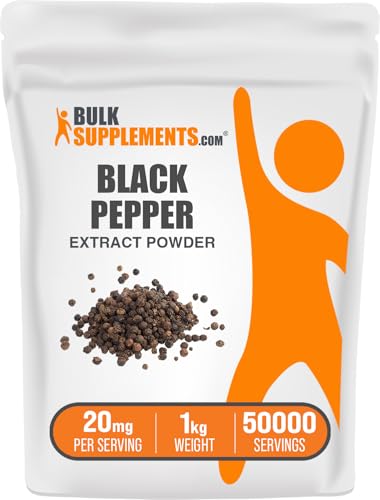
Rich in Natural Nutrients: Step into a world where every serving is a treasure chest of essential nutrients sourced directly from nature. Our Black Pepper Extract powder, or Piperine supplements, harnesses the earth's bounty, providing you with the essential nutrients required for a flourishing overall health and well-being.

SUPPORT AND MAINTAIN: Each Dose can help maintain healthy cholesterol and triglyceride levels, aid cardiovascular health, and support overall heart health.

Free Yourself From Joint Discomfort: Golden Revive is the ultimate joint supplement for pain, designed to support joints, muscles, and nerves. It eases muscle tension and fibrosis, initiates the body's healing process, reduces scarring and tissue damage, and promotes an improved range of motion. Turn back the clock on your joint health and enjoy life again.
Acupuncture as a Pain Relief Method

Having explored the benefits of herbal and natural supplements for managing DOMS, let’s now consider acupuncture as another intriguing method of pain relief. Acupuncture techniques can have small-to-moderate effects on pain thresholds, particularly on day one post-exercise, with a standardized mean difference of −0.62 compared to no treatment. Some studies suggest up to 80% less pain and 62% less stiffness after 72 hours. This is possibly due to reduced markers of muscle damage and inflammation. Despite these promising outcomes, the evidence is mixed, with no significant difference between real and sham acupuncture reported in some trials. Thus, more rigorous research is necessary to confirm consistent benefits and determine optimal treatment parameters, including points used and session frequency. For those who prefer physical recovery methods, incorporating supportive equipment like high-density foam mats during gentle core exercises can provide additional comfort while managing post-workout soreness.
Rest and Recovery Strategies

While it’s tempting to jump right back into intense workouts, prioritizing rest and recovery strategies is crucial for managing DOMS effectively. We know that active recovery, like light aerobic exercises such as walking or gentle jogging, can significantly aid in reducing muscle soreness. These low-intensity activities maintain muscle function while enhancing blood flow, which is key to recovery. Timing our rest properly is just as important—allowing muscles adequate time to heal and rebuild prevents exacerbating soreness. Incorporating stretching and using compression garments also helps in improving flexibility and blood circulation. Cold therapies, like ice baths or contrast water therapy, further reduce muscle soreness. Additionally, foam rolling can provide effective muscle tension relief and improve circulation, making it a valuable tool for natural DOMS management. By adopting these strategies, we can manage DOMS naturally and ensure our muscles recover optimally.
Benefits of Massage Therapy

Massage therapy offers a multitude of benefits, especially in managing Delayed Onset Muscle Soreness (DOMS), and it’s a powerful tool in our recovery arsenal. By increasing local skin and muscle temperature, it promotes circulation and enhances blood and lymphatic flow, helping us heal faster. One of the massage benefits is the reduction in pain perception, achieved through the modulation of the Hoffman reflex, which decreases muscle pain after exercise. Deep tissue techniques like petrissage are particularly effective, significantly reducing DOMS intensity and muscle stiffness when applied within 48 hours post-exercise. Additionally, massage lowers serum creatine kinase levels, a marker of muscle damage, facilitating quicker recovery. Through these effects, massage therapy not only alleviates soreness but also supports our overall recovery and performance. For those seeking convenient self-massage options, massage rollers provide an effective way to target sore muscles and improve blood circulation at home.
Recommended Products

MOST VERSATILE SINGLE IASTM TOOL ON THE MARKET: Combines four (4) HawkGrips Instruments into one convenient tool. Features 7 different edges including single and double-beveled edges.

The information below is per-pack only

Precision Heat – Optimized to deliver and maintain targeted warmth for deep muscle relaxation.
Compression Garments and Water Immersion

When it comes to managing Delayed Onset Muscle Soreness (DOMS), compression garments have gained popularity for their potential benefits in reducing soreness and aiding recovery. These garments, typically exerting 18-22 mmHg pressure, may expedite muscle function recovery post-exercise, reducing perceived soreness without affecting inflammatory markers like creatine kinase. While compression garment benefits don’t extend to performance enhancement, they do offer modest relief from fatigue and muscle stiffness. However, evidence on water immersion techniques for DOMS is sparse, with no comprehensive findings available. We should stay tuned for future research that might illuminate how methods like cold water immersion could complement compression for optimal recovery. Until then, compression remains a safe, individualized approach for many. For targeted areas like the knees, compression sleeves work by enhancing blood circulation and stabilizing joints while providing cushioning pressure relief for improved recovery.
Recommended Products

【Lymphedema Pumps for Restless Legs Medical Compression】This lymphedema pumps are providing stable air compression by inflating and deflating the sleeves sequentially to develop the circulating pressure on the human body and also used for squeezing and compress restless legs for leg swelling, lymphatic drainage, lymphedema as smooth muscle relaxation. (NOTICE: Please confirm with your doctor before you purchase this device)
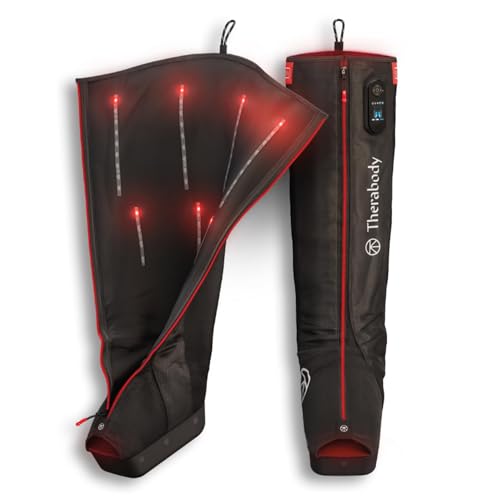
THE ONLY MASSAGE COMPRESSION BOOTS TO COMBINE PNEUMATIC COMPRESSION, VIBRATION AND LIGHT: These 3 therapies work together to speed up leg, foot or knee pain relief, ease muscle recovery and joint pain, enhance your warm-up, and increase strength and performance.

FDA Cleared (Medical OTC Grade) : Everyon can use, Recover like a PRO!
Heat Therapy for Muscle Relaxation
As we explore strategies to manage Delayed Onset Muscle Soreness, heat therapy emerges as a noteworthy option for muscle relaxation. By applying heat immediately after exercise, we can enhance muscle elasticity and reduce pain. Studies, including randomized clinical trials, have shown that sustained heat application for up to 8 hours can significantly alleviate DOMS. Moist heat, in particular, proves more effective for immediate pain relief compared to dry heat. Through increased blood flow, heat therapy aids in washing away metabolic byproducts, enhancing tissue metabolism. Although it doesn’t directly increase muscle strength, maintaining muscle elasticity and aiding connective tissue healing are key benefits. Compared to cold therapy, heat is often preferable for promoting relaxation and boosting blood flow, making it a valuable recovery tool. Complementing heat therapy with deep tissue massage using specialized back rollers can further enhance muscle recovery by targeting tight areas and improving circulation.
Nutritional Support and Recovery
While managing Delayed Onset Muscle Soreness, nutritional support plays a pivotal role in enhancing recovery and reducing discomfort. By following specific dietary guidelines and nutrient timing, we can optimize our body’s healing process. Consuming tart cherry juice and omega-3 fatty acids, like those found in fish or flaxseed oil, helps reduce inflammation and muscle pain post-exercise. Prioritizing colorful fruits, lean proteins, and whole grains ensures we get the necessary vitamins, amino acids, and carbohydrates for muscle repair.
Timing is crucial—consuming a balanced meal with protein and carbs within 30–60 minutes after exercise aids recovery. Hydration with water or electrolyte drinks is equally vital. Avoiding added sugars, alcohol, and highly processed foods can further enhance our recovery efforts. Incorporating gentle Pilates exercises with resistance tools can help improve muscle tone and stability during the recovery phase.
Antioxidants and Muscle Damage Mitigation
Nutritional support is key, but antioxidants take center stage in managing muscle damage and mitigating DOMS. When we engage in intense or unfamiliar exercise, our bodies generate reactive oxygen species (ROS), leading to oxidative stress and muscle soreness. By incorporating antioxidant sources like vitamins C and E, polyphenols, and carotenoids, we can bolster our defenses against this oxidative damage. Found in fruits, vegetables, nuts, and seeds, these exogenous antioxidants neutralize ROS and support muscle recovery. Additionally, compounds like resveratrol and curcumin activate pathways that enhance our natural antioxidant enzymes, further protecting muscle tissue. While high-dose supplements show promise, it’s crucial to include a variety of antioxidant-rich foods in our diets to potentially reduce DOMS and aid recovery. Incorporating resistance bands into recovery routines can provide gentle, low-impact movement that supports circulation and muscle healing without adding excessive stress to already tender tissues.
Omega-3 Fatty Acids and Inflammation Reduction
When it comes to managing inflammation and reducing DOMS, omega-3 fatty acids stand out as a powerful ally. These essential nutrients, particularly EPA and DHA, are renowned for their anti-inflammatory properties. They work by reducing the production of pro-inflammatory cytokines and modulating eicosanoids, shifting the balance towards less inflammation. Omega-3 sources like fish oil or flaxseed can be vital in this process. By inhibiting eicosanoid production from arachidonic acid, omega-3s increase anti-inflammatory eicosanoids, helping resolve inflammation efficiently. Furthermore, they decrease cytokine production and leukocyte response, pivotal in DOMS recovery. Through eicosanoid modulation and other mechanisms, omega-3s not only alleviate muscle soreness but also promote faster recovery, making them indispensable for those dealing with post-exercise discomfort. Just as proper equipment like lifting belts provides essential support during intense training sessions, omega-3 supplementation offers crucial anti-inflammatory support during the recovery phase.
Recommended Products

🙌 𝐍𝐚𝐭𝐮𝐫𝐚𝐥 𝐎𝐦𝐞𝐠𝐚-𝟑:- Moxxor is a 100% pure and natural, green-lipped mussel supplement, exclusively bought from the pristine environment bursting full of rich omega-3s, naturally derived vitamin E from Kiwifruit and Sauvignon grape seeds oil from Malborough. and green-lipped mussel oil from the New Zealand Sea.

Brain Health and Cognition Support Supplement: Contains one 60 count bottle of Jarrow Formulas PS100 Phosphatidylserine 100 mg softgels for a 20- to 60-day supply.

Cover Them on All Three: Emotional, and physical health; our omega 3 for kids is formulated with ingredients to support vision, heart, and brain health omega for focus, attention, and regeneration
Evaluating Branched-Chain Amino Acids
Let’s shift our focus from omega-3s to another nutritional strategy for managing DOMS: branched-chain amino acids (BCAAs). Research shows BCAA supplementation significantly reduces DOMS, with a notable effect size of 0.7286. When taken at approximately 29 g/day, BCAAs can cut muscle soreness by about 64% following resistance exercise. This reduction is observed at 48 and 72 hours post-exercise, showcasing their impact on muscle recovery mechanisms. BCAAs lower biochemical markers like creatine kinase, suggesting decreased muscle damage. While the exact muscle recovery mechanisms remain under study, BCAAs are thought to reduce protein degradation and promote membrane repair. Optimal BCAA dosage guidelines range from 6 g to 29 g daily, with timing potentially enhancing results when consumed before and after exercise. Additionally, using proper weight lifting gloves during resistance training can help prevent hand injuries and calluses that might otherwise interfere with consistent workout routines necessary for muscle adaptation.
Recommended Products

Maximize your Potential: Enhance your active lifestyle with our Whey Protein Isolate powder, or Whye Protein Powder Isolate, designed to support your strength and performance goals. Each serving delivers a substantial 30 grams dose, catering to both fitness enthusiasts looking to push their limits.

POWERFUL PLANT-BASED MUSCLE SUPPORT: Fuel your active lifestyle with 30g of premium plant-based vegan protein per serving. Perfect for men and women looking to accelerate muscle recovery without relying on whey, dairy, or soy-based isolates

✔️ Essential Vitamin for Daily Intake - Make sure you're getting all the nutrients your body needs with our Vitamin B1 powder or Thiamine HCl powder! Our Thiamine Hydrochloride, or B1 Vitamins, is a great source of Vitamin B1, and it's important for maintaining optimal health.* Take our Thiamine B1 Supplement, or Thiamine 100mg powder, for daily Vitamin B intake!
Cold Therapy for Inflammation Control
Cold therapy, often hailed as a go-to method for inflammation control, offers a practical and effective way to manage Delayed Onset Muscle Soreness (DOMS). Through cold exposure, such as Cold Water Immersion (CWI), we can achieve significant relief. Immersion benefits involve immersing ourselves in water at 11°C–15°C for 10–15 minutes. This process triggers vasoconstriction, reducing blood flow and inflammatory mediator release. The result? Decreased local metabolism and edema, which alleviates tissue pressure and pain receptor stimulation. Studies highlight CWI as one of the most effective methods for easing muscle soreness by mitigating the inflammatory response. By integrating this into our recovery routine, we can harness its benefits, reducing swelling and managing pain more effectively. Let’s embrace CWI for our DOMS relief journey.
Contrast Therapy Techniques
We’ve explored how cold therapy effectively manages DOMS by reducing inflammation, and now it’s time to look at contrast therapy techniques, which offer a dynamic approach to muscle recovery. By alternating between hot and cold immersion, we create a vascular “pumping” effect—vasodilation from hot therapy techniques expands blood vessels, while vasoconstriction from cold, including ice bath benefits, narrows them. This cycle enhances circulation, delivering oxygen and nutrients, and assists in lymphatic activation, crucial for toxin removal. Starting with 10-15 minutes of heat, switch to cold for 1-5 minutes, repeating 3-5 cycles. This method not only minimizes DOMS and accelerates recovery but also provides natural pain relief, making it a favored technique among athletes for rapid recovery.
Efficacy of Ice Packs and Cold Gels
When it comes to managing delayed onset muscle soreness (DOMS), ice packs and cold gels offer significant analgesic benefits that shouldn’t be overlooked. These cold therapy methods provide effective recovery techniques by reducing inflammation and pain through vasoconstriction. Cryotherapy (CRYO) and phase change materials (PCM) stand out, with CRYO ranked highest in pain relief effectiveness beyond 48 hours. PCM maintains a consistent skin temperature of about 22°C, allowing prolonged exposure while performing daily activities. Although cold gels share similar pain-relieving mechanisms, comprehensive data comparing them to ice packs is currently limited. Immediate application of cold therapy, like a 15-20 minute session post-exercise, significantly minimizes muscle strength loss, highlighting its role in effective DOMS management. High-quality studies are needed for further validation.
Exercise Intensity and DOMS Management
Understanding the relationship between exercise intensity and delayed onset muscle soreness (DOMS) is crucial for effective management and prevention strategies. Higher exercise intensity significantly contributes to DOMS, especially through eccentric exercises, which damage muscles by lengthening contractions. Symptoms usually appear 12-24 hours post-exercise and peak within 1-3 days. By carefully structuring our exercise protocol, we can gradually increase both intensity and volume, allowing our bodies to adapt without overwhelming muscle soreness. Training adaptation is essential; repeated exposure to the same exercises reduces DOMS over time. Using a balanced approach—incorporating warm-ups, cool-downs, and active recovery—helps manage soreness effectively. Athletes should monitor their progress and adjust training schedules to accommodate DOMS, ensuring optimal performance and reduced injury risk.
Addressing Persistent Muscle Soreness
Addressing persistent muscle soreness, particularly when it stems from eccentric or unfamiliar exercises, involves understanding the physiological underpinnings that prolong discomfort. Our body’s reaction often includes microscopic muscle fiber tears accompanied by inflammation. Pain sensitivity can be heightened due to sensitization of peripheral receptors and central pain processing, which sometimes extends recovery timelines. Natural recovery strategies are key: gradual progression in exercise intensity helps adapt muscles, minimizing soreness. Ensuring adequate rest and sleep facilitates muscle repair, while nutritional support—like antioxidants and omega-3 fatty acids—can modulate inflammation. Gentle active recovery, such as low-intensity movement, aids circulation without worsening pain. If soreness persists beyond typical DOMS recovery timelines, it might signal a need for professional evaluation.
Frequently Asked Questions
Can Stretching Exercises Help Reduce DOMS Symptoms?
We can’t rely on stretching techniques to reduce DOMS symptoms effectively, but incorporating active recovery exercises, like low-intensity cycling, might help. Stretching alone doesn’t address muscle damage, so let’s explore other recovery methods for better relief.
How Does Hydration Affect DOMS Recovery?
Hydration benefits DOMS recovery by improving nutrient transport and waste removal. Let’s ensure hydration timing is optimal by drinking water regularly during and after workouts. This practice aids muscle repair and reduces soreness, enhancing overall recovery efficiency.
Are There Specific Foods to Avoid During DOMS Recovery?
Yes, we should avoid processed sugars, inflammatory fats, and alcohol. These exacerbate inflammation, hinder recovery, and prolong soreness. Let’s choose whole foods, stay hydrated, and prioritize rest to support natural muscle healing and optimal recovery.
Does Mental Relaxation Influence Muscle Soreness?
Mental mindfulness and relaxation techniques might not directly reduce muscle soreness, but they help lower stress and muscle tension. We should incorporate these practices to enhance overall well-being and potentially ease the perception of soreness.
What Role Does Genetics Play in DOMS Susceptibility?
Genetic factors juxtapose our muscle recovery experiences; some enjoy swift rebounds, while others languish in soreness. Our genes dictate inflammation and repair efficiency, influencing DOMS susceptibility. Embracing our genetic uniqueness can tailor recovery strategies effectively.