As an Amazon Associate, we earn from qualifying purchases. Some links on this site are affiliate links at no extra cost to you. Our recommendations are based on thorough research and editorial judgment.

Proper Landing Mechanics When Using Jump Ropes

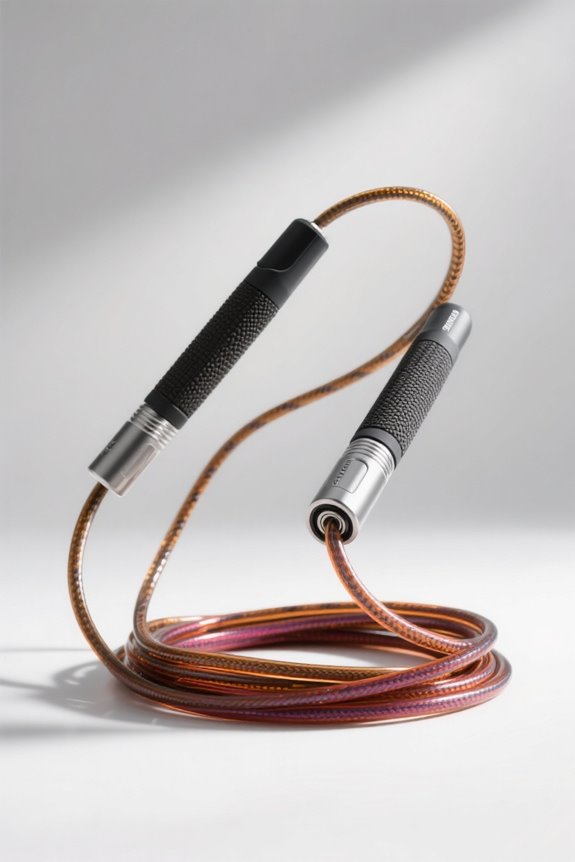
When we jump rope, proper landing mechanics are essential to protect our joints and enhance performance. Soft knees upon landing improve shock absorption by engaging muscles effectively. Correct foot placement, especially landing on the forefoot, reduces ground reaction forces by up to 40%. Maintaining knee alignment over the toes prevents inward caving. Using proper footwear with cushioning aids stability and impact reduction. Adopting these techniques helps ensure longevity in our jump rope routine. More insights are on the way.
Key Takeaways
- Maintain soft knees upon landing to enhance shock absorption and reduce joint impact.
- Align knees over toes to prevent inward caving and reduce injury risk.
- Land on the forefoot to decrease vertical ground reaction force and improve stability.
- Keep feet close together for better balance and to avoid valgus collapse.
- Use proper footwear with cushioning for shock absorption and injury prevention.
Importance of Soft Knees Upon Landing
When we talk about the importance of soft knees upon landing during jump rope exercises, we’re really diving into how effective shock absorption can enhance both performance and safety. By engaging our muscles effectively, we can manage impact forces, distributing them across multiple joints, which reduces stress on the knees. This results in a smoother landing rhythm, essential for maintaining a consistent jump rope flow. Soft knee flexion paired with hip movement creates a dynamic shock absorption system, minimizing wear on ligaments and cartilage. As we land softly, the vertical ground reaction forces are modulated, lowering harmful peaks. This not only helps prevent injuries but also improves endurance. A controlled, rhythmic landing ensures optimal energy retention for our next jump. Incorporating weighted medicine balls into your training routine can further strengthen the stabilizing muscles that support proper landing mechanics.
Maintaining Proper Knee Alignment

Building on the importance of soft knees, maintaining proper knee alignment is the next step to ensure safe and effective jump rope sessions. We must focus on keeping our knees aligned over our toes to prevent inward caving, or valgus, which can strain the ACL and meniscus. By using cues like “knees out” and incorporating knee alignment drills, we can encourage proper lateral positioning. Mini resistance bands placed above the knees offer excellent valgus prevention techniques, promoting outward pressure and preventing knee collapse. Strengthening our hip abductors and external rotators helps stabilize knee position, supporting a balanced muscular engagement during landings. Let’s remember, reinforcing these mechanics through neuromuscular training can significantly reduce the risk of knee injuries. Complementing jump rope training with targeted neoprene dumbbells can help develop the hip abductor and external rotator strength needed for optimal knee alignment during landing mechanics.
Recommended Products
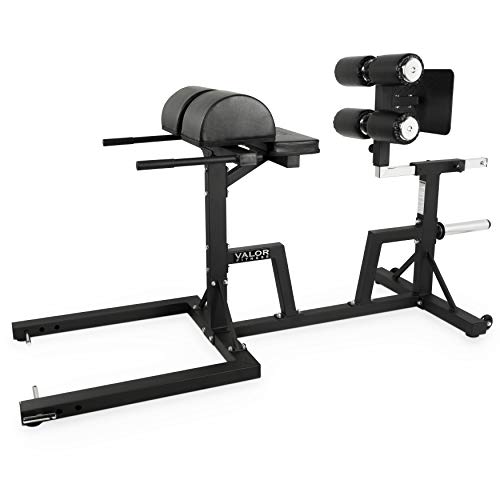
STABILITY: Crafted from solid 12-gauge steel and supported by a 2” x 2” frame with angled support bars, the glute ham developer offers stability even during the most intense workouts. Rubber foot covers safeguard floor for protection and further stability.

Five Year Consumer Warranty, One year institutional warranty
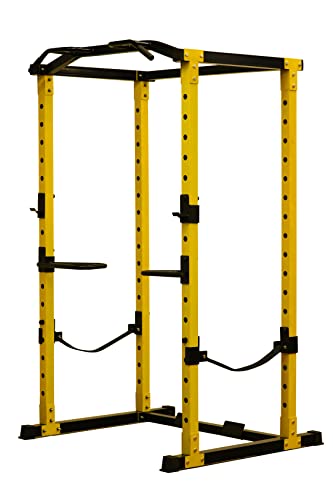
Home gym exercise equipment targets multiple muscle groups: This versatile, multi-functional power cage offers a multi-grip pull up bar, j hooks, safety straps, and various attachments (sold separately). The squat rack is a one-stop shop that allows you to perform full-body workouts that target your “Core 4”, with exercise examples included: arms (bench press), legs (squats), back (rows), and core (knee raises).
Correct Foot Placement for Impact Reduction

To maximize impact reduction during jump rope sessions, proper foot placement is crucial. By focusing on foot positioning, we can significantly decrease joint stress. Landing on the forefoot, rather than the heel, reduces the vertical ground reaction force by up to 40%, providing a greater lever arm for deceleration. Keeping our feet close together enhances balance and minimizes ankle injury risks. Our feet should be nearly parallel, ensuring stability. Proper footwear, especially those with cushioning and arch support, aids in shock absorption and supports forefoot landing. Distributing impact across the midfoot and forefoot, rather than the heel, effectively reduces joint loading. Wearing the right shoes is key for individuals with flat feet, allowing for even impact distribution and reducing injury risk. For additional protection during high-intensity jump rope training, consider using workout gloves that provide enhanced grip and cushioning to complement proper landing mechanics.
Recommended Products


The Air Jordan 1 High “Hyper Royal” is a breezy colorway of Michael Jordan’s first signature shoe that was released by Jordan Brand for its Spring/Summer 2021 collection

The Role of Toe Point in Landing Control

While mastering jump rope techniques, understanding the role of toe point in landing control can significantly enhance our performance. Proper toe positioning, with a slight downward point, plays a crucial role in maintaining balance and ensuring consistent landing mechanics. By avoiding toe lift, we reduce the risk of heel impact, which can lead to poor form and potential injury. Landing on the balls of our feet helps in absorbing impact, maintaining stable toe direction, and improving our center of gravity. This method aids in impact absorption and minimizes stress on our joints. By consistently practicing this technique, we achieve a uniform spring and quick return to the jumping position, enhancing our overall jumping efficiency and control. Just as with kettlebell training, proper impact absorption techniques are essential for joint protection and maintaining optimal form throughout repetitive movements.
Recommended Products

MOLDED SUPPORT WITH VERSATILITY, SPEED, DURABILITY - Look no further than the Lightning 110. With its 3x110 set up, skaters will enjoy many features to complement urban, fitness, commuting and recreational skating.

CONVENIENT PACKAGE: The Jr. Impact Wakeboard package includes youth-sized bindings to fit most youth shoe sizes and riders under 125 lbs. for a convenient wakeboard combo. Bindings have an adjustable fit to accommodate various foot sizes.
Choosing the Right Footwear for Jump Rope

How do we ensure our jump rope sessions are both effective and safe? Choosing the right footwear plays a crucial role. We should look for shoe materials that offer excellent stability and advanced cushioning. Shoes like the New Balance 1267, with its flat sole and superior cushioning, protect our joints from repetitive impact. Cross-trainers provide a mix of support and flexibility, ideal for various routines, while basketball shoes offer strong ankle support. Breathable mesh uppers keep feet cool, and textured outsoles enhance traction on different surfaces. It’s essential to avoid deep grooves that may catch the rope. Ensure a snug fit to prevent slippage, and remember that minimalist shoes promote agility with their lightweight, flexible designs. Just as ergonomic designs help minimize strain during pull-up exercises, proper footwear construction reduces stress on our feet and joints during jump rope workouts.
Recommended Products

FEATURE RICH FOR MOTIVATING HOME WORKOUT The E3 Elliptical Cross-Trainer was built with comfort in mind and strives to mimic human movement, making home exercise feel smooth and natural


GORE-TEX Waterproof technology combines optimized breathability & protection against the elements
Optimal Jump Height and Its Benefits
Understanding optimal jump height is crucial for enhancing the effectiveness and safety of our jump rope workouts. Optimal jump height means keeping our jumps minimal, no more than 3/4 inch (1.9 cm), which allows the rope to pass smoothly beneath us. By focusing on jump efficiency, we engage primarily the balls of our feet, incorporating slight knee and ankle flexion for controlled landings. These minimal jump benefits include reduced energy expenditure, enabling us to sustain longer sessions and improve our speed due to faster rope rotations. This approach also minimizes joint impact and refines our timing and coordination, ultimately supporting advanced skills. Maintaining an upright posture ensures balance and alignment, further enhancing our overall performance and reducing injury risks. Post-workout recovery can be enhanced through muscle relief tools like leg rollers to alleviate any tension from repetitive jumping motions.
Consistent Jumping for Joint Health
Engaging in consistent jumping activities can be a powerful tool for supporting joint health, combining fun and fitness in one cohesive practice. Through repetitive movements, we can uniquely benefit from jumping by enhancing joint protection. The forces exerted during jumping, though higher than walking, are less than running, promoting bone strength, especially around the knee joint. This activity stimulates osteoblasts, increasing bone density, as seen with trampoline jumping’s vertical G-forces. Moreover, engaging our calves, quadriceps, and glutes during landing helps absorb shock, protecting our joints from wear and injury. By consistently incorporating jumping into our routine, we not only improve bone density but also fortify our muscle strength, contributing to overall joint resilience and reducing the risk of osteoarthritis. For optimal results, choosing jump ropes with ergonomic handles and proper materials can enhance comfort and reduce hand fatigue during extended workout sessions.
Aligning the Body for Efficient Force Transfer
While consistent jumping can enhance joint health, focusing on proper body alignment during these movements ensures we maximize efficiency and minimize risk. By maintaining a strong, upright posture, with our head up and eyes forward, we optimize our balance and body alignment. Keeping the cervical spine neutral, we reduce unnecessary strain and support smooth force transmission as we land. Our chest should be slightly out, shoulders pulled back, and spine tall and neutral, distributing landing forces evenly. Landing softly on the balls of our feet, with toes slightly downward, helps dissipate impact forces. Slight knee flexion (15-30 degrees) upon landing absorbs impact, reducing joint loading. Engaging our gluteal muscles stabilizes the pelvis, facilitating efficient force transfer. For additional support during recovery from minor strains or sprains, elastic wraps can provide targeted compression to affected joints while maintaining the mobility needed for proper jump rope technique.
Upper Body Positioning During Jump Rope
When jump roping, achieving the right upper body positioning is crucial for both efficiency and safety. We need to maintain upper body mobility by keeping our ribs stacked over the pelvis, which optimizes alignment. Effective arm control is essential; our arms should stay at our sides with elbows bent, minimizing stress on the shoulders and neck. A relaxed grip on the handles, with the thumb on top and forefinger below, allows for wrist-driven rope rotation. Our hands should be positioned slightly in front of the hips at hip level, utilizing small wrist circles for efficient movement. By keeping our gaze straight ahead, we enhance balance and focus. Engaging the core further supports our posture, aids in balance, and prevents injuries. Ergonomic handles with proper grip design can significantly reduce hand fatigue and improve control during extended workout sessions.
Effective Shock Absorption Techniques
Effective shock absorption techniques are critical to mastering jump roping safely and efficiently. By focusing on proper landing strategies, we can greatly reduce injury risk. Greater flexion at the hip, knee, and ankle joints increases energy dissipation, providing effective shock absorption. Engaging calf muscles through eccentric contraction buffers ground reaction forces. When we land on our forefoot, we reduce vertical ground reaction forces by 15%, enhancing our jump rope experience. Maintaining proper alignment of the hips, knees, and ankles ensures even force distribution, protecting our joints. Our feet should stay close together to avoid valgus collapse, while soft, low jumps minimize impact. Strengthening the muscles around our hips, knees, and core further enhances our shock absorption capabilities. Developing grip strength through complementary exercises like wrist rollers can enhance overall forearm endurance and control during jump rope sessions.
Tools for Reinforcing Safe Landing Habits
Now that we’ve explored effective shock absorption techniques, let’s focus on the tools that help reinforce safe landing habits with jump ropes. Proper footwear is crucial; shoes with good arch and ankle support, along with adequate heel cushioning, stabilize us during impact. Cross-training shoes are preferable over heavy running shoes to maintain timing and rope clearance. Training devices like video recording tools and motion sensors offer visual feedback, helping us critique and improve landing form. For recovery tools, foam rollers and muscle release aids ensure ongoing biomechanics safety. Surfaces matter too—rubber gym mats or wood floors cushion landings, reducing joint stress. Finally, structured tutorials and coaching programs build muscle memory, reinforcing safe landings through consistent practice.
Recommended Products

THIS WOMEN'S SHOE IS FOR: The Glycerin GTS 20 is for runners who think there is no such thing as too much cushioning but require additional support from our trusted GuideRails which helps to guide your body in its natural path of motion while keeping excess movement in check. This Brooks Glycerin GTS 20 is a certified PDAC A5500 Diabetic shoe and has been granted the APMA Seal of Acceptance. We recommend ordering Brooks running shoes 1/2 to one size larger than your dress shoe.

THIS WOMEN'S SHOE IS FOR: The Glycerin GTS 20 is for runners who think there is no such thing as too much cushioning but require additional support from our trusted GuideRails which helps to guide your body in its natural path of motion while keeping excess movement in check. This Brooks Glycerin GTS 20 is a certified PDAC A5500 Diabetic shoe and has been granted the APMA Seal of Acceptance. We recommend ordering Brooks running shoes 1/2 to one size larger than your dress shoe.
THIS WOMEN'S SHOE IS FOR: The Glycerin GTS 20 is for runners who think there is no such thing as too much cushioning but require additional support from our trusted GuideRails which helps to guide your body in its natural path of motion while keeping excess movement in check. This Brooks Glycerin GTS 20 is a certified PDAC A5500 Diabetic shoe and has been granted the APMA Seal of Acceptance. We recommend ordering Brooks running shoes 1/2 to one size larger than your dress shoe.
Avoiding Common Landing Mistakes
One of the most common landing mistakes we see in jump rope exercises is excessive jump height, which not only wastes energy but also disrupts rhythm and increases injury risk. Jumping more than 1-2 inches off the ground, especially when knees are raised or feet are tucked, can lead to higher impact forces. For optimal energy efficiency and balance training, we should focus on landing softly on the midsole of our feet and keeping feet together. It’s crucial to maintain a slight bend in the knees to absorb impact and enable quick rebounds. Landing on the balls or midsoles of our feet, with feet pointed slightly downward, helps ensure quiet, balanced landings, reducing joint stress and improving shock absorption.
Frequently Asked Questions
How Can I Improve Endurance While Jump Roping?
To improve endurance while jump roping, let’s integrate interval training and cross training into our routine. We’ll alternate jump rope sessions with bodyweight exercises, maintaining high intensity, and ensure consistent practice to build cardiovascular and muscular stamina effectively.
What Are the Best Warm-Up Exercises Before Jump Roping?
Let’s unlock the secret to an effective jump rope session! We swear by dynamic stretches and joint mobility exercises. They’re key. Engage your body with jumping jacks, lunges, and arm circles. Ready for some high-energy fun?
How Does Breathing Technique Affect Jump Rope Performance?
By mastering breathing patterns, we enhance oxygen efficiency, which boosts our jump rope performance. This synchronization aids endurance, reduces fatigue, and keeps us focused. Let’s breathe right to maintain rhythm and maximize our workout benefits.
What Are the Benefits of Incorporating Jump Rope Into a Workout Routine?
Incorporating jump rope into our workout boosts cardio benefits, burns calories efficiently, and enhances coordination. It’s a full-body exercise improving muscular strength, endurance, and bone density while supporting mental health. We’ll feel healthier and more energetic.
How Can I Prevent Blisters When Jump Roping Frequently?
We’ve all felt that dreaded blister pain, haven’t we? To ensure blister prevention while jump roping, let’s wear moisture-wicking socks, choose the right shoe fit, and apply barrier tapes. Keep those feet happy and jumping!