As an Amazon Associate, we earn from qualifying purchases. Some links on this site are affiliate links at no extra cost to you. Our recommendations are based on thorough research and editorial judgment.


Recovery Day Active Routine With Yoga Mat Exercises

For a balanced active recovery day routine, incorporating yoga mat exercises offers us both physical and mental benefits. Child’s Pose and Bridge Pose enhance flexibility and circulation, while mindful breathing reduces stress. Gentle Seated Forward Folds and Core Engagement through Planks improve strength and promote relaxation. This approach aids muscle repair, reduces soreness, and boosts mood. By integrating these exercises, we can easily complement our regular activities, and discover more enriching techniques.
Key Takeaways
- Incorporate Child’s Pose and Bridge Pose to enhance flexibility and alleviate muscle tension.
- Utilize gentle Vinyasa flows to improve circulation and support mental clarity.
- Engage in core stability exercises like Planks for balanced muscle activation.
- Practice mindful breathing and proper form to maximize recovery benefits.
- Include Yin or restorative yoga sessions for deep relaxation and reduced soreness.
Benefits of Active Recovery With Yoga Mat Exercises
When it comes to recovery, active recovery with yoga mat exercises offers a multitude of benefits that can help us optimize our fitness routine. One major advantage is the benefits overview, highlighting reduced inflammation, improved flexibility, and stress relief. By enhancing blood flow, these exercises deliver oxygen and nutrients to muscles, aiding in muscle repair and reducing delayed onset muscle soreness (DOMS). Moreover, the gentle stretching and muscle lengthening inherent in yoga can prevent injuries by maintaining muscle balance.
Incorporating these exercises into our routine not only boosts physical recovery but also enhances mental well-being, reducing stress and improving mood. Regular practice helps in injury prevention, ensuring our bodies are ready for the next workout. For optimal performance during recovery sessions, choosing a mat with proper anti-slip grips ensures stability and safety throughout your practice. Let’s make active recovery a vital part of our fitness strategy!
Key Physiological Effects of Recovery Yoga

Although recovery yoga might seem like a gentle practice, its physiological effects on our bodies are profound. By adhering to yoga principles, we experience significant recovery benefits. For the musculoskeletal system, yoga enhances flexibility and strength, while improving balance and reducing muscle soreness. This practice also boosts joint mobility, an essential factor in our daily movements. The nervous system gains from lowered cortisol levels, activating the parasympathetic nervous system, which fosters relaxation. It also reduces amygdala activity, enhancing cognitive function and emotional stability. Cardiovascular health sees improvements with lowered blood pressure and heart rate, better circulation, and reduced inflammation. On a broader scale, recovery yoga enhances psychological well-being by reducing anxiety, improving mood, and increasing mindfulness, all contributing to improved overall health. To maximize these recovery benefits while protecting sensitive joints during floor-based poses, practitioners should consider using thick yoga mats that provide superior cushioning and support for areas like the spine, hips, knees, and elbows.
Essential Yoga Mat Exercises for Recovery

Yoga mat exercises offer a variety of essential movements that significantly aid in recovery, and we’re here to explore how they can optimize your post-exercise healing. By focusing on yoga alignment and breath awareness, these exercises gently stretch and mobilize our bodies, preventing muscle strain while enhancing flexibility. Poses like those found in Yin or Hatha yoga are held for longer durations, gradually opening tight connective tissues and aiding muscle relaxation. Through slow dynamic stretches, we improve circulation, boosting oxygen and nutrient delivery to fatigued muscles, thus facilitating repair. Enhanced joint range of motion supports faster recovery by maintaining muscle movement without added stress. Incorporating these practices maintains flexibility and balances muscle function, crucial for injury prevention. For those seeking to track their recovery progress more precisely, consider incorporating equipment with built-in counters to monitor movement repetitions and workout duration during your mat-based recovery sessions.
Child’s Pose for Relaxation and Blood Flow

Child’s Pose, a cornerstone of restorative yoga, offers an effective way to enhance relaxation and improve blood flow. By gently stretching the spine, hips, and thighs, it alleviates muscle tension while promoting flexibility. As we fold forward, mindful breathing calms our nervous system, shifting us into a state of restorative calm. This position activates the parasympathetic nervous system, reducing stress and anxiety, and even lowering heart rate.
Additionally, Child’s Pose stimulates blood circulation through gentle abdominal compression, aiding in tissue oxygenation and muscle recovery. As we focus on our breath and bodily sensations, we cultivate mindfulness, enhancing our body awareness. This not only supports responsive self-care but also encourages a deeper connection with our inner state, fostering long-term relaxation and stress management. For optimal comfort during extended holds of Child’s Pose, consider using a yoga mat with 1/2 inch thickness to provide adequate cushioning for sensitive joints and knees.
Bridge Pose to Open and Stretch

Bridge Pose, or Setu Bandha Sarvangasana, offers a comprehensive approach to opening the chest and stretching the thighs while lying on our backs. This beginner-friendly pose, often performed at the end of a session, provides numerous bridge pose benefits by engaging the back muscles, gluteals, and hamstrings. As we lift our hips, pressing our arms and shoulders into the floor, we experience a gentle stretch in the chest, neck, hips, and spine.
Therapeutic applications of Bridge Pose include alleviating lower back pain, stress reduction, and improved circulation. It stimulates the lungs, thyroid glands, and abdominal organs, enhancing lung capacity and digestion. Supported variations with props like blocks can further promote relaxation, making this pose a versatile addition to our recovery routine. Using an ab mat during this pose can provide enhanced lumbar support while maintaining proper spinal alignment and maximizing the therapeutic benefits of the stretch.
Mobilize the Spine With Cat-Cow Pose
When it comes to enhancing spinal mobility and overall well-being, Cat-Cow Pose stands out as a foundational exercise in our yoga practice. By alternately rounding and arching the spine, we directly increase vertebral mobility and alleviate lower back tightness, which is crucial for those of us with sedentary lifestyles. The flexibility benefits extend beyond our spine, reaching the hips and upper back. Plus, this pose strengthens our core muscles, supporting better posture and spinal alignment. As we synchronize our breath with movement, Cat-Cow encourages mindfulness, helping reduce stress while gently massaging our internal organs. With simple modifications, we can adapt this pose to suit any ability, making it an accessible and effective addition to our daily routine. For optimal comfort and joint protection during this floor-based movement, practice on a mat with 4mm to 5mm thickness to provide adequate cushioning for your knees and wrists.
Happy Baby Pose for Stretching and Tension Release
Happy Baby Pose, known as Ananda Balasana in Sanskrit, offers us an excellent opportunity to stretch and release tension in our bodies while lying on our backs, making it a staple in many restorative yoga routines. This pose employs stretching techniques that target the hip flexors, adductors, hamstrings, and core muscles, providing comprehensive tension relief. We start by lying flat on our backs, bending our knees toward the chest at a 90-degree angle, and gripping the feet. Keeping our knees wide and breathing deeply, we experience enhanced flexibility and stress reduction. Incorporating dynamic stretching, like straightening one leg at a time, or using a strap for support, can deepen the stretch. Happy Baby is ideal for relaxation, helping alleviate lower back pain and improving balance. Adding a Pilates ring during this pose can provide gentle resistance to enhance the stretch and further target the inner thighs and core muscles.
Incorporating Gentle Seated Forward Folds
Incorporating gentle seated forward folds into our yoga routine can significantly enhance our flexibility and overall well-being. These seated stretches are an excellent way to stretch the entire back body, including the calf muscles, hamstrings, and spine. By practicing forward fold techniques regularly, we can improve our posture, increase the range of motion in our hips, and ensure symmetrical stretching for balanced development.
Additionally, gentle seated forward folds have calming effects on the nervous system, activating the parasympathetic response for stress relief and emotional regulation. They also support digestive health by massaging abdominal organs, aiding digestion, and relieving menstrual discomfort. By including these stretches in our active recovery routine, we reduce muscle tension and prepare our bodies for deeper poses, promoting a more comprehensive recovery process. Using a mat with adequate cushioning helps protect our knees and hips during these seated forward fold positions, ensuring comfort throughout our practice.
Recommended Active Recovery Yoga Flows
In our journey toward optimal recovery, the right active recovery yoga flows play a crucial role, offering a blend of relaxation and rejuvenation that aids our body’s healing process. Embracing yoga philosophy, we recognize the importance of the mind-body connection in these flows. Yin and restorative yoga styles involve holding poses for 3–5 minutes, allowing deep muscle relaxation and connective tissue release. Dynamic flows like gentle Vinyasa increase circulation, enhancing oxygen delivery and waste removal. Incorporating breathwork, such as pranayama, enriches oxygen flow and mental clarity. Targeted hip and shoulder mobility flows improve range of motion, preventing injury. Together, these methods integrate gentle movement with breath awareness, ensuring our recovery is both mindful and effective, supporting overall wellness and tranquility. Just as athletes benefit from quick equipment maintenance with electric ball pumps for their sports activities, maintaining consistent yoga practice requires the right tools and preparation for optimal recovery results.
Soothe Sore Muscles With Specific Workouts
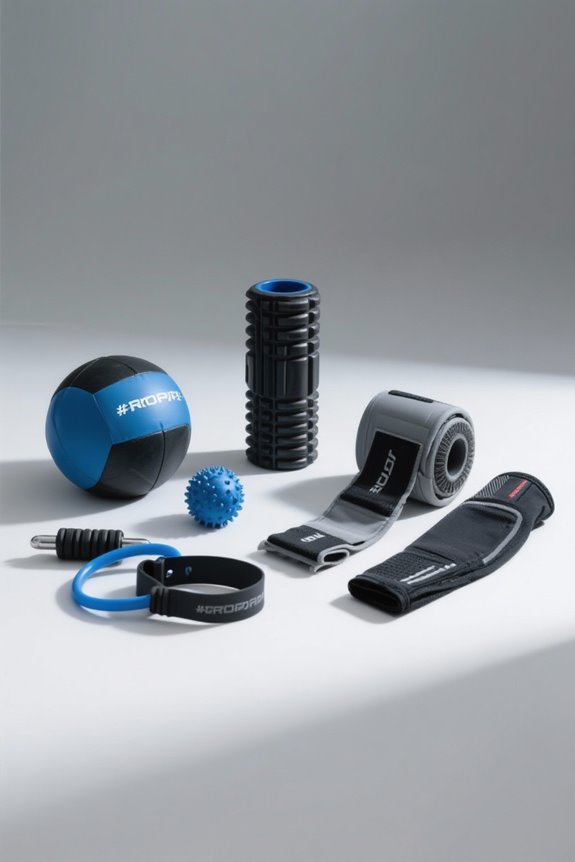
Our exploration of active recovery yoga flows sets the stage for targeted workouts designed to soothe sore muscles. By incorporating specific yoga poses, we can truly experience the yoga benefits of relieving muscle tension and enhancing recovery. Restorative yoga focuses on muscle recovery, stress reduction, and improved flexibility. Poses like Downward Dog and Child’s Pose stimulate circulation and relieve muscle tension, while Cobra Pose and Seated Forward Fold target the upper body and legs, respectively. These poses promote relaxation and healing, crucial for muscle recovery. Yin Yoga and Hatha Yoga provide gentle approaches that enhance circulation and relaxation. Utilizing tools like foam rollers and resistance bands can also aid in reducing soreness, making our recovery day not only effective but enjoyable. Adding lightweight wall balls to your active recovery routine can provide gentle resistance training that enhances coordination and strength without overwhelming recovering muscles.
Planks Up for Gentle Core Engagement
Plank exercises, an essential component of our recovery day routine, engage the entire core musculature while providing gentle yet effective core activation. By incorporating plank variations like forearm and side planks, we can enhance core stability without overloading our muscles. These exercises activate key muscles, including the rectus abdominis and transversus abdominis, which bolster spinal stiffness and stability. Planks offer balanced core strength, engaging deeper muscles often neglected by crunches, and they do so with low compressive forces on the lumbar vertebrae, reducing injury risk. The isometric nature of planks enhances muscle endurance, improving posture and functional fitness. Performing these on a yoga mat adds comfort, reduces joint pressure, and facilitates active recovery, making planks perfect for our routine.
Hip Lifts for Glute Activation
When it comes to building a strong, functional lower body, hip lifts are an essential exercise for glute activation. By focusing on the gluteus maximus, hip lifts enhance our lower body strength, posture, and alignment. They prevent muscle compensation and imbalances by ensuring our glutes, not other muscles, take charge during movements like walking or squatting. Efficient glute activation also helps us in rehabilitation, reducing injury risks.
Performing hip lifts with proper form, we extend the hip joint from a bent-knee position, squeezing the glutes at the top. This concentrated effort boosts neuromuscular activation, improving our exercise performance. Variations, like single-leg lifts or using resistance bands, further challenge our muscles, ensuring a comprehensive and effective workout.
Warming up Joints With Circular Wrist Motions
After engaging our glutes with hip lifts, it’s important to shift our focus to warming up our joints, specifically with circular wrist motions. These exercises are essential for enhancing wrist flexibility and joint mobility, vital for both daily tasks and sports. By performing wrist circles, we improve wrist flexion, extension, pronation, and supination, leading to better overall joint health. This routine also aids in injury prevention by increasing blood flow and reducing stiffness, ensuring our wrists are ready for more demanding activities.
To maximize benefits, we can incorporate both clockwise and counterclockwise circles, possibly adding resistance with weights or bands. Regular practice not only reduces stiffness and alleviates pain but also enhances strength and coordination, making it a crucial part of our recovery routine.
Rocking Movements to Massage the Spine
Integrating rocking movements into our yoga routine can provide a wealth of benefits for spinal health. By gently rocking the spine, we can enhance spinal mobility and facilitate tension relief, allowing our muscles to relax and our joints to become more pliable. This technique signals our nervous system to let go of stress, promoting a calming effect reminiscent of soothing a crying baby. As we rock, we increase awareness of hidden body tension, enabling us to address it effectively. Incorporating gentle, rhythmic motions, similar to those used in Thai yoga massage, enhances relaxation and recovery. Whether used as a self-massage or integrated into yoga mat exercises, these movements support improved circulation and offer therapeutic benefits, contributing to a balanced and relaxed body.
Modified Boat Pose for Core Support During Recovery
As we move from rocking movements to other beneficial exercises, let’s explore the Modified Boat Pose for core support during recovery. This modified posture engages our core strength, targeting abdominal muscles, hip flexors, and deep abdominal muscles, essential for maintaining balance and stability. By allowing bent knees, beginners can ease into the pose, using supportive props like blocks or straps to maintain balance. This approach not only strengthens the core but also enhances flexibility by stretching the hamstrings and lower back. Mindful breathing during this pose promotes relaxation, reducing stress, and supporting spinal health. Our posture improves, and with time, we may notice enhanced mental clarity and digestive benefits. Integrating this pose into our routine aids in recovering core strength and stability effectively.
Frequently Asked Questions
What Should I Wear for a Yoga Mat Recovery Routine?
We should choose a yoga outfit with moisture-wicking, breathable fabric like polyester or nylon blends. Opt for form-fitting tops, high-waisted leggings, and supportive undergarments. Lightweight, quick-dry materials are perfect for comfort and flexibility during recovery sessions.
How Often Should I Practice Yoga Mat Exercises on Recovery Days?
In the dance of recovery, we should let yoga mat exercises grace our schedule about 2-3 times a week. This rhythm enhances flexibility, mental relaxation, and resilience, weaving a tapestry of recovery routine benefits. Embrace consistency!
Can Beginners Safely Perform Recovery Yoga Poses?
Yes, we can safely perform recovery yoga poses as beginners. Let’s focus on beginner tips like using props and safe poses such as Legs-Up-The-Wall and Supported Bridge to avoid strains and ensure a gentle practice.
Are Yoga Props Necessary for Recovery Day Exercises?
Yoga props aren’t strictly necessary for recovery day exercises, but they enhance yoga benefits significantly. We can use prop alternatives like towels or blankets to improve comfort and alignment, making poses more accessible and effective for everyone.
How Do I Know if I’m Doing the Poses Correctly?
Isn’t it funny how mirrors never lie? Let’s prioritize pose alignment to avoid common mistakes. Engage our core, check our mirrors, use feedback tools, and remember: if it hurts sharply, we’re probably doing it wrong.