As an Amazon Associate, we earn from qualifying purchases. Some links on this site are affiliate links at no extra cost to you. Our recommendations are based on thorough research and editorial judgment.


Common Jump Rope Injuries and How to Prevent Them

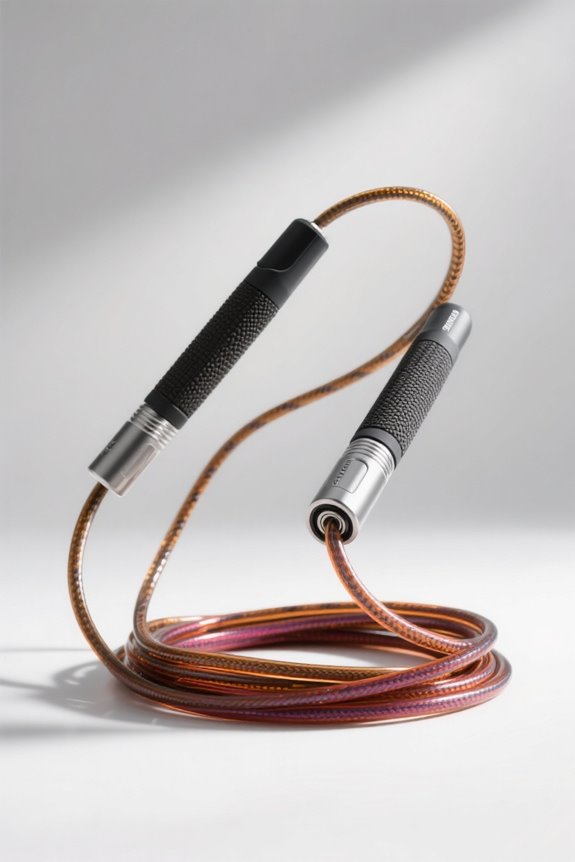
Professional fitness equipment product photography on Canon EOS R5 with RF 50mm f/1.2L lens at f/2.8, high-quality jump rope with ergonomic handles displayed on clean white minimalist surface, dramatic studio lighting with soft shadows casting from premium speed rope, sharp focus on textured grip details and swivel bearings, commercial product shot style with vibrant red and black accents, professional gradient backdrop transitioning from pearl white to soft gray, athletic ankle brace and resistance band subtly positioned nearby, 4K quality showcasing injury prevention equipment essentials.
# Common Jump Rope Injuries and How to Prevent Them
Jump rope injuries, like shin splints and calf strains, often stem from improper technique and surface selection. We risk knee injuries such as Patellofemoral Pain Syndrome without proper form. It’s crucial to focus on soft landings, use shock-absorbing shoes, and embrace gradual intensity progression. A good warm-up routine, dynamic stretches, and strengthening exercises for the core and hips make a big difference. Let’s explore more tips to ensure your jump rope workout remains safe and effective.
Key Takeaways
- Shin splints and calf strains often result from improper technique and high impact.
- Gradually increase jump volume to prevent overuse injuries.
- Use proper form and maintain consistent timing to reduce joint stress.
- Employ dynamic stretches and a warm-up routine before jumping.
- Opt for soft surfaces and cushioned shoes to minimize impact forces.
Overview of Common Jump Rope Injuries
When we think about jump rope as a fun and effective workout, we often forget about the potential for injuries that can occur if we’re not careful. Understanding jump rope biomechanics is crucial to prevent common injuries like shin splints and calf strains. These issues arise from improper technique and excessive impact, leading to stress and strain on our muscles and bones. Injury recovery often involves rest and physiotherapy, emphasizing the importance of proper form and gradual intensity increase.
Ankle injuries, such as sprains, result from poor landing mechanics, while knee problems like tendonitis stem from repetitive stress. Stress fractures are another concern, caused by excessive impact without adequate rest. Recognizing these risks helps us take preventive steps, ensuring a safer, more enjoyable jump rope experience. Complementing jump rope workouts with strength training using cast iron weights can help build muscle resilience and reduce injury risk by strengthening the supporting muscles around joints.
Causes and Risk Factors of Jump Rope Injuries

Understanding the causes and risk factors of jump rope injuries is essential for anyone looking to incorporate this activity into their fitness routine. Our jump technique plays a significant role. Improper landing mechanics, like flat-footed landings or locked knees, can increase force transmission to our joints, raising injury risk. Excessive jump height amplifies surface impact, stressing our lower extremities. Sudden increases in jump volume or intensity without adaptation can lead to overuse injuries, as our tissues need time to recover. Jumping on hard surfaces, such as concrete, magnifies force impact, heightening injury potential. Moreover, poor technique, like flailing arms or inconsistent timing, disrupts our rhythm, leading to awkward landings and injuries. Using high-density foam support underneath can help minimize lower back strain during complementary core strengthening exercises that improve overall stability for jump rope activities. Ensuring proper technique and using suitable surfaces can mitigate these risks.
Recommended Products

Horse mats are easy to clean to ensure a longer life-span. Liquids and solids can be easily wiped or brushed off
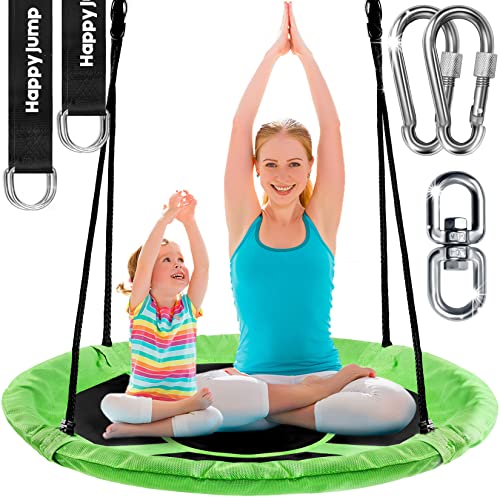
Industrial-Leading Textilene - Carefully Selected "Textilene" for the nesting seat because it is industry-leading, durable fabric -Material of Outdoor Furniture. You will feel the superiority of "Textilene" instantly.
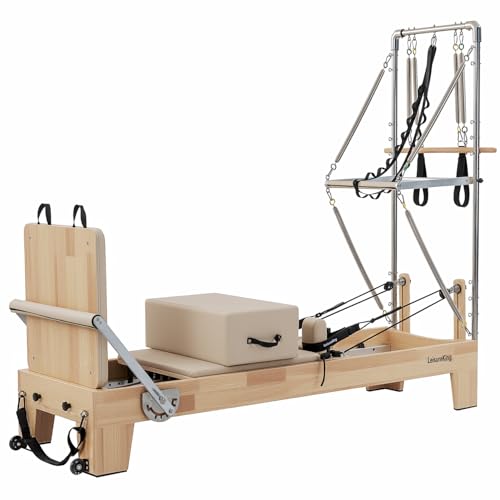
A Tower and Mat Conversion: Our reformer tower combo is a dedicated piece of equipment for Pilates training. The non-foldable solid wood bed frame ensured the stability of the reformer. The stainless steel tower has an oak roll-down bar, an aluminum push-through bar, a safety rope, a lock pin, Pilates straps, and 8 tower springs
Specific Knee Injuries and Their Prevention

Jump rope exercises, while excellent for cardiovascular health, can unfortunately lead to specific knee injuries if we’re not careful. Patellofemoral Pain Syndrome, or “jumper’s knee,” arises from stress on the patellar tendon, causing front knee pain. For patellar tendonitis prevention, slightly bend knees during jumps and strengthen quadriceps to stabilize the kneecap. Supportive footwear with shock absorption also helps. Iliotibial (IT) Band Syndrome, marked by outer knee pain, results from IT band friction. IT band stretching before and after jumping, along with strengthening core and hip muscles, is essential. Additionally, meniscal injuries from excessive knee rotation can be avoided with proper jumping form and balance exercises. Pull up assist bands can also be valuable for strength training rehabilitation exercises that support knee injury recovery. Let’s ensure our knees remain healthy by following these preventive measures.
Recommended Products

[Upgraded Dual-Layer Design]: Concerned about your equipment scratching the floor during workouts? Our 2 in 1 Rubber Top EVA Foam Exercise Gym Mats are crafted to solve this issue. The textured rubber top layer, combined with a high-density EVA foam bottom layer, seamlessly creates a non-slip tough surface with excellent shock absorption.

【Forgiving】Premium EVA foam gym mats for home gym, offering a forgiving surface ideal for play or intense workouts. Our 5/8" thick foam floor tiles combine firmness with comfort.

The upper is made of technical mesh
Biomechanical and Loading Considerations

While many of us might not realize it, the biomechanics of jump rope exercises are quite distinct and have important implications for our bodies. The bounce rope-skip cycle involves a loading phase of about 45%, mirroring running more than walking. During this phase, our knees experience significant flexion, 13.6° compared to running’s 10.9°, which supports the stretch-shortening cycle of our calf muscles. This biomechanical adaptation enhances muscle-tendon stiffness and neuromuscular efficiency. Interestingly, peak vertical ground reaction forces don’t align with maximum knee flexion but occur during extension, emphasizing the dynamic nature of rope skipping. The alternating jump style, with its higher ground reaction force during the loading phase, could increase the risk of overuse injuries, especially in our lower extremities. Similar to selecting appropriate equipment for boxing training, choosing the right jump rope based on your skill level is crucial for preventing injury and maximizing training effectiveness.
Effective Injury Prevention Strategies

With the unique biomechanics of jump rope exercises in mind, let’s focus on effective strategies to prevent injuries. A proper warm-up routine is essential. We should start with 5–10 minutes of low-impact activities like cycling or knee lifts to boost blood flow and prepare muscles. Incorporating dynamic stretches for calves, hamstrings, and quads enhances flexibility and reduces strain. Our jump rope technique matters too; maintaining an upright posture and using our wrists to rotate the rope helps minimize injury risk. Landing softly on the balls of our feet with slightly bent knees absorbs impact effectively. Choosing shock-absorbing surfaces and well-cushioned shoes provides additional joint protection. Regularly inspecting equipment ensures safety, while varying workout intensity and including rest days aids in recovery. Post-workout recovery can be enhanced with tools like foam rollers to target muscle tension and improve circulation in areas that experience repetitive stress from jumping motions.
Recommended Products

【Made in the USA】Crafted for optimal versatility and effortless maintenance, our 4' and 3’ wide rubber floor mat rolls, proudly manufactured in the USA, are a perfect addition to gyms, workout areas, and various commercial settings. These gym floor mats, designed for simple customization around walls, corners, and objects, offer a seamless padded surface with endless applications, making them ideal gym floor options.

TRADITIONAL TEXTURE, MODERN PERFORMANCE: Handcraft the ultimate dojo for today's martial arts. With 7/8" of closed cell EVA foam rubber to offer a firm yet forgiving impact profile, Tatami tiles are ready for anything your journey throws at them.

Instant Home Gym in Any Room – Goodbye gym membership. Just unstrap and unroll to transform any room in your house into your very own home gym. Our exercise mats are large enough for any cardio, strength, or dance workout including P90x, TAM, Insanity, T25, Zumba, TRX, kettle bell, jumping rope and more!
Frequently Asked Questions
What Are the Best Recovery Practices After a Jump Rope Injury?
Let’s focus on recovery. We’ll start with ice therapy to reduce swelling. As healing progresses, gentle mobility exercises help regain range of motion. Gradually, strengthening and balance drills enhance stability, ensuring a safe return to jump rope activities.
How Can I Identify if My Pain Requires Medical Attention?
Like a detective piecing together clues, we should evaluate symptoms for persistent pain, swelling, or deformity. If our injury classification shows severe signs, it’s time to consult a doctor. Ignoring them can lead to complications.
Are There Specific Warm-Up Routines Recommended Before Jump Roping?
Let’s start with dynamic stretches for muscle activation before jump roping. We should include exercises like side straddles, reverse lunges, and heel taps. These help prepare our body, ensuring flexibility and reducing injury risk while jumping.
What Role Does Diet Play in Preventing Jump Rope Injuries?
Let’s remember the tale of the tortoise and the hare—steady wins the race. Nutrient timing and hydration strategies are our secret weapons, ensuring recovery and strength to prevent injuries when the rope’s rhythm demands persistence.
How Can I Safely Return to Jump Roping Post-Injury?
Let’s prioritize rehabilitation techniques by focusing on gradual progression. We’ll start with low-intensity sessions, slowly increasing duration and intensity. Listen to our body, ensuring pain-free movement before advancing. Supportive gear and safe surfaces will aid our recovery.