As an Amazon Associate, we earn from qualifying purchases. Some links on this site are affiliate links at no extra cost to you. Our recommendations are based on thorough research and editorial judgment.

Metabolic Effects of High-Intensity Dumbbell Training

High-intensity dumbbell training profoundly boosts our metabolic rate both during and after workouts. This surge in metabolism, known as the afterburn effect, can elevate calorie burn for up to 24 hours post-exercise, aiding fat reduction and improving body composition. Additionally, it enhances insulin sensitivity, promoting better glucose control and maximizing fat oxidation. The dynamic movements and varied exercises also improve endurance. Let’s explore further to uncover how these benefits work synergistically.
Key Takeaways
- High-intensity dumbbell training boosts metabolic rate during and after workouts, enhancing calorie burn and aiding fat loss.
- The afterburn effect (EPOC) elevates metabolic rate for up to 24 hours post-exercise, maximizing calorie expenditure.
- Hormonal responses from training, like increased growth hormone and adrenaline, amplify metabolic rate and fat oxidation.
- Dynamic dumbbell movements enhance metabolic stress, endurance, and energy substrate utilization.
- Effective recovery strategies and proper nutrition support muscle recovery and sustain elevated metabolic rate.
Energy Metabolism Enhancement
When we dive into the realm of energy metabolism enhancement through high-intensity dumbbell training, it’s clear that this exercise method significantly boosts our metabolic rate, both during and after workouts. The afterburn effect, or Excess Post-Exercise Oxygen Consumption (EPOC), extends our calorie burn, aiding in fat loss. Metabolic adaptation occurs as our bodies increase the ability to oxidize fat, utilizing energy substrates effectively. This process is fueled by rising growth hormone and adrenaline, which amplify our metabolic rate. Furthermore, dynamic movements with dumbbells elevate metabolic stress, enhancing endurance. As we train, enzymes that promote fat metabolism increase, optimizing energy extraction from fat stores even at rest. The effectiveness of these metabolic benefits can be maximized when using urethane-coated dumbbells, which provide superior durability and grip comfort during intense training sessions. These adaptations underscore the profound benefits of high-intensity dumbbell training.
Protein Acetylation and Muscle Function

How does protein acetylation influence muscle function and metabolism? Let’s explore this fascinating process together. Protein acetylation, particularly in mitochondrial proteins, plays a key role in regulating muscle energy transformation and muscle contractility. Acetylation dynamics can modulate enzyme activity crucial for muscle metabolism, such as enzymes involved in fatty acid β-oxidation. For instance, lysine acetylation alters ATP-binding sites in kinases, impacting signaling pathways essential for muscle function. During exercise, widespread acetylation occurs, affecting both metabolic and contractile proteins, which influences excitation-contraction coupling and calcium sensitivity. Interestingly, 63% of mitochondrial proteins are acetylated, acting as a metabolic “brake” during excess substrate availability. Thankfully, enzymes like SIRT3 can reverse acetylation, restoring function and enhancing muscle performance during high-intensity dumbbell training. To maximize these metabolic adaptations, incorporating adjustable dumbbells that can progress from lighter to heavier weights allows for systematic overload that optimally stimulates protein acetylation pathways.
Post-Workout Calorie Burn

Few things ramp up our metabolism quite like the afterburn effect from a solid high-intensity dumbbell workout. This phenomenon, known as Elevated Post-Exercise Oxygen Consumption (EPOC), keeps our metabolic rate elevated for up to 24 hours post-exercise. Intense dumbbell sessions, with their compound movements and short rest intervals, create a significant oxygen debt, maximizing EPOC duration. As a result, we burn calories not just during the workout, but long after it ends.
To optimize this post-workout calorie burn, incorporating effective recovery strategies is key. These include adequate hydration, balanced nutrition, and active rest, ensuring our body efficiently repairs muscle glycogen and synthesizes protein. By embracing these strategies, we can amplify the metabolic benefits of our workouts, enhancing daily calorie expenditure. For those building a home gym setup, selecting the right weight plates with various increments allows for progressive overload and customizable intensity levels that maximize these metabolic effects.
Fat Loss and Body Composition Changes

High-intensity dumbbell training is a powerful tool for fat loss and improving body composition. By incorporating fat oxidation strategies, we can increase the breakdown of fat, using it as energy during our workouts. This not only helps in reducing fat mass but also enhances our metabolic rate post-exercise, burning calories even after we’ve finished our session. The efficiency of dumbbell HIIT means we can achieve these benefits in shorter, more adaptable sessions, fitting seamlessly into busy lifestyles. Alongside fat loss, muscle gain optimization plays a crucial role. By building muscle mass, we improve our lean body mass, which contributes to a healthier body composition. This dual approach—burning fat and gaining muscle—leads to reduced waist circumference and improved overall body fat percentage. The versatility of cast iron dumbbells makes them ideal for both strength training and cardio workouts, allowing you to maximize fat loss while building lean muscle mass in your home gym.
Recommended Products

💪 Best Home Gym Equipment: Includes 5, 10, 15, 20, 25, 30, 35, 40, 45, 50, 55, 60, 65, 70, 75, 80, 85, 90, 95, 100, 105, 110, 115 and 120lb dumbbell pairs, (2) of 3-tier BLUE RACKs and (2) of MATs. You can use these solid dumbbells in a wide range of exercises, also a perfect choice for both beginners or athletes.

Home Gym Equipment Weight Set:Includes 5, 10, 15, 20, 25, 30, 35, 40, 45, 50, 55, 60, 65, 70, 75, 80, 85, 90, 95, and 100lb dumbbell pairs, (2) of 3-tier racks and (2) of mats. You can use these solid dumbbells in a wide range of exercises, also a perfect choice for both beginners or athletes.

2100 lbs Weight Set with Dumbbell Rack: Includes 20 pairs of rubber hex dumbbells from 5 to 100 lbs. Dumbbell pairs in 5, 10, 15, 20, 25, 30, 35, 40, 45, 50, 55, 60, 65, 70,75, 80, 85, 90, 95 and 100 lbs. offer a versatile range of strength training exercises that's perfect for home gyms or professional settings. These hand weights provide the right free weight for different fitness levels and exercises, helping you reach your fitness goals faster
Insulin Sensitivity and Blood Sugar Control

As we shift our focus from fat loss and body composition changes, let’s explore how high-intensity dumbbell training impacts insulin sensitivity and blood sugar control. Engaging in high-intensity workouts can significantly enhance our insulin response by improving glucose uptake. A single session at around 90% of maximal aerobic power can acutely reduce blood sugar levels for up to 24-48 hours. This occurs because intense exercise depletes muscle glycogen, recruiting more muscle fibers, and enhancing insulin sensitivity. Over time, regular high-intensity resistance training leads to sustained improvements in glycemic control and reduced HbA1c levels in type 2 diabetes patients. These effects are due to increased muscle mass and improved insulin pathways, making high-intensity dumbbell workouts a powerful tool for managing blood sugar. Incorporating agility training alongside resistance work can further enhance overall athleticism and metabolic benefits through improved foot speed and coordination.
Recommended Products

Lifetime warranty for registered owners on the entire machine including all parts and accessories

The Original NUOBELL : Premium 5–80 lb Adjustable Dumbbells for Home Gym Training - These authentic SMRTFT NUOBELL adjustable dumbbells deliver smooth weight changes and dependable performance across the full 5–80 lb range. A true adjustable dumbbells set built for serious home gym athletes.

Twist lock system. Turn the handle to select your weight and lift dumbbell out of the cradle to enjoy a fluid workout.
Muscle Hypertrophy Through Metabolic Stress
When we dive into the concept of muscle hypertrophy through metabolic stress, it’s clear that this training approach is both efficient and effective. The process begins with metabolite accumulation, where high-intensity training leads to the buildup of substances like lactate. This accumulation triggers a cascade of responses, including satellite cell activation, essential for muscle repair and growth. Our muscles also experience intracellular swelling, which activates anabolic signaling pathways, promoting muscle protein synthesis. Additionally, the release of anabolic hormones such as growth hormone further supports hypertrophy. By utilizing techniques like blood flow restriction and short rest periods, we can maximize metabolic stress, ensuring that our muscles adapt and grow. Just as proper hydration capacity is critical for preventing dehydration during long-duration training activities, maintaining adequate fluid intake supports the metabolic processes that drive muscle adaptation. Ultimately, these methods provide a powerful boost to muscle development in our training regimen.
Recommended Products

𝐌𝐮𝐬𝐜𝐥𝐞 𝐆𝐫𝐨𝐰𝐭𝐡 & 𝐒𝐭𝐫𝐞𝐧𝐠𝐭𝐡: Professional-grade inflatable blood flow restriction cuffs engineered in the USA for safe and precise occlusion training. Our blood flow restriction bands are backed by 15+ years of research, designed to support muscle growth, strength and endurance using lighter weights and shorter workouts.

✅ 𝐄𝐋𝐈𝐌𝐈𝐍𝐀𝐓𝐄 𝐆𝐔𝐄𝐒𝐒𝐖𝐎𝐑𝐊 ➤ Our patented app and design recommend pressures to apply the right amount of compression to get the BFR Effect. Guided workouts through our Android and iOS app get you the results you want FAST!

COMPLETE SET: 4 blood flow restriction bands with pressure gauge for precise occlusion training, designed for both upper and lower body workouts
Cardiovascular Health Benefits
While many of us often focus on high-intensity dumbbell training for muscle growth, we shouldn’t overlook its cardiovascular health benefits. This training boosts heart efficiency, enhancing the heart’s ability to pump blood effectively. As a result, we can experience improved circulation and a lower risk of heart disease. Moreover, regular sessions can significantly reduce blood pressure, contributing to our overall cardiovascular wellness. By increasing heart rate and improving heart rate variability, these workouts help build stamina, allowing us to sustain physical activity longer. Additionally, high-intensity dumbbell training elevates VO2 max, which is a key indicator of heart health. For those looking to maximize their cardiovascular conditioning, incorporating jump rope training with precision ball bearings can further enhance heart rate elevation and provide smooth, rapid rotations for optimal performance. So, when we incorporate these workouts into our routine, we’re not just building muscle; we’re also fostering a healthier, more resilient heart.
Hormonal and Anabolic Responses
Exploring the hormonal and anabolic responses to high-intensity dumbbell training reveals fascinating insights into how our bodies adapt to exercise. High-intensity interval training (HIIT) can trigger hormonal adaptation by increasing testosterone levels, especially in men, while also elevating cortisol, a stress hormone. The balance between these hormones is crucial; an enhanced testosterone-to-cortisol ratio can support muscle growth and strength. Our anabolic responses, however, show variability, dependent on factors like age, genetics, and training duration. Muscle hypertrophy and metabolic shifts, such as improved insulin sensitivity, create an anabolic environment. With consistent training, we can see significant improvements over time. This variability emphasizes the importance of tailored approaches to training that account for individual differences in hormonal responses. The versatility of adjustable dumbbells allows for precise weight modifications throughout training sessions, enabling optimal stimulus adaptation as hormonal responses develop.
Recommended Products

32 Dumbbells in 1 for Total Body Workout – Designed for both men and women, the Nuobell adjustable dumbbells offer a range of adjustable weights from 5 to 80 lbs, perfect exercise equipment for a complete home workout.
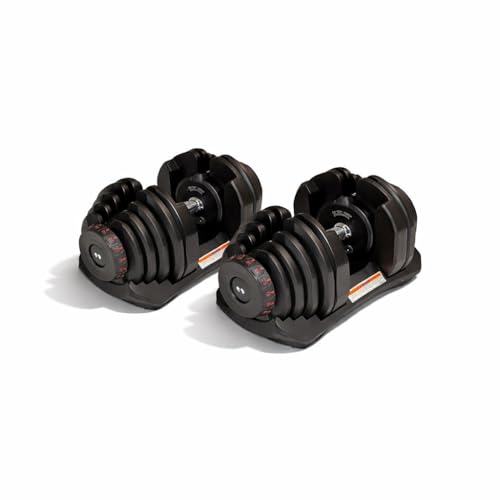
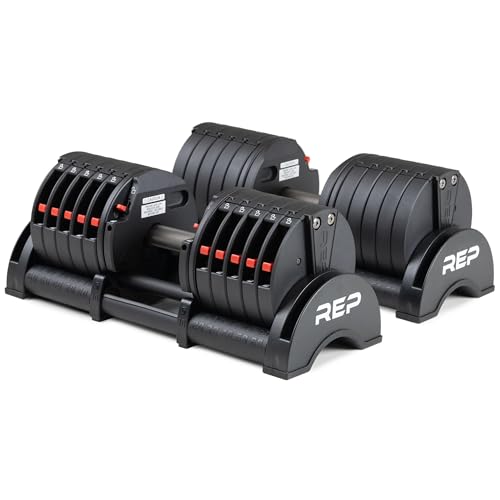
SPACE-SAVING DESIGN: Adjustable dumbbell set replaces multiple dumbbells, perfect for home gyms with limited space. Easily adjust weights from 5 to 60 lb in 2.5 lb increments for versatile workouts.
Cognitive and Brain Function Improvements
As we consider the hormonal shifts from high-intensity dumbbell training, let’s explore how these rigorous workouts can also transform our cognitive and brain functions. By significantly increasing BDNF levels, high-intensity training fosters neuroplasticity benefits, enhancing synaptic plasticity essential for learning and cognitive resilience. This protein supports neuronal health and memory function, offering protection against neurodegenerative processes like Alzheimer’s. Additionally, high-intensity exercise boosts executive function, improving working memory, task switching, and inhibition. These cognitive benefits are most noticeable immediately post-workout, especially in sessions under 30 minutes. Resistance training also contributes to white matter integrity, crucial for cognitive processes. Through enhanced cerebral blood flow and reduced inflammation, our brains gain resilience against aging, ensuring long-term cognitive vitality. Incorporating balance trainers into your high-intensity dumbbell routine can further enhance these cognitive benefits by engaging multiple muscle groups and improving overall body awareness through functional training.
Personalized Training for Optimal Results
To achieve optimal results with dumbbell training, personalization is key, allowing us to tailor workouts to our individual needs and goals. By focusing on individualized progressions, we can adjust load intensity and repetition schemes, ensuring we’re challenging our muscles efficiently. Targeted muscle activation is essential, as it helps balance muscle activation and prevent imbalances by choosing exercises that engage specific muscle groups. Incorporating multiplanar and compound movements not only enhances functional strength but also improves coordination, leading to better overall performance. Adapting progression models helps us avoid plateaus, ensuring continuous improvement while reducing injury risk. By personalizing our training, we maximize metabolic adaptations and muscle growth, achieving results that align with our unique fitness aspirations. Additionally, incorporating core stability equipment like ab roller wheels can enhance overall workout efficiency by targeting abdominals, hip flexors, and back muscles while promoting functional strength development.
Recommended Products

Freight Delivery: You must provide an accurate phone number and delivery address on the order so the freight carrier can contact you to schedule the delivery.

CONTENTS: 5lb to 75lb Urethane Dumbbell Set (15 dumbbell pair total) with 3-tier commercial dumbbell rack.

💪 Best Home Gym Equipment: Includes 5, 10, 15, 20, 25, 30, 35, 40, 45, 50, 55, 60, 65, 70, 75, 80, 85, 90, 95, and 100lb dumbbell pairs, (2) of 3-tier BLUE RACKs and (2) of MATs. You can use these solid dumbbells in a wide range of exercises, also a perfect choice for both beginners or athletes.
Frequently Asked Questions
How Should I Warm up Before Starting High-Intensity Dumbbell Training?
We should start with dynamic stretching and mobility exercises to increase blood flow and joint flexibility. Incorporate light cardio and movement-specific drills with lighter dumbbells to prepare muscles and nervous system for high-intensity training.
What Is the Ideal Duration for High-Intensity Dumbbell Workouts?
Let’s conquer mountains in 20-35 minutes! With session intensity that makes our hearts race and workout frequency at 2-3 times a week, we can maximize benefits without overtraining. Rest days are essential for recovery and progress.
Can High-Intensity Dumbbell Training Be Combined With Other Forms of Exercise?
Yes, we can definitely combine high-intensity dumbbell training with other exercises. This cross-training benefits us by maximizing workout synergy, enhancing overall fitness levels, and preventing plateaus, ensuring that our workout routine remains dynamic and effective.
What Safety Precautions Should I Take During High-Intensity Dumbbell Sessions?
Let’s prioritize safety: wear form-fitting clothes and appropriate footwear for stability. Warm-up thoroughly, focus on proper form, and monitor heart rate. Ensure your environment’s safe with good lighting and space. Listen to your body and rest.
Are There Specific Dumbbell Weights Recommended for High-Intensity Training Beginners?
In the garden of fitness, we plant seeds with beginner weights, nurturing them through varying intensity levels, starting with 2-5 kg. As our strength blossoms, we gradually increase, ensuring growth without sacrificing form or safety.