As an Amazon Associate, we earn from qualifying purchases. Some links on this site are affiliate links at no extra cost to you. Our recommendations are based on thorough research and editorial judgment.

Form Checks: Are You Using Your Resistance Bands Correctly?

When using resistance bands, we must ensure proper selection and form for effective workouts. It’s crucial to choose the right type and resistance level; natural latex bands provide superior elasticity. Secure anchoring is key; inspect stability before exercising. Correct hand and foot positioning, such as a shoulder-width stance and firm overhand grip, ensures safety. In press movements, maintain tension, aligned elbows, and core engagement. By mastering these basics, we can enhance our fitness routine.
Key Takeaways
- Ensure the band is anchored securely to prevent slipping during exercises.
- Maintain proper posture and core engagement to maximize muscle activation and minimize injury risk.
- Use a relaxed but firm grip with straight wrists to avoid forearm tension.
- Inspect bands for any signs of damage before each use to ensure safety.
- Perform slow, controlled movements to enhance stability and effectiveness of workouts.
Understanding Resistance Band Selection
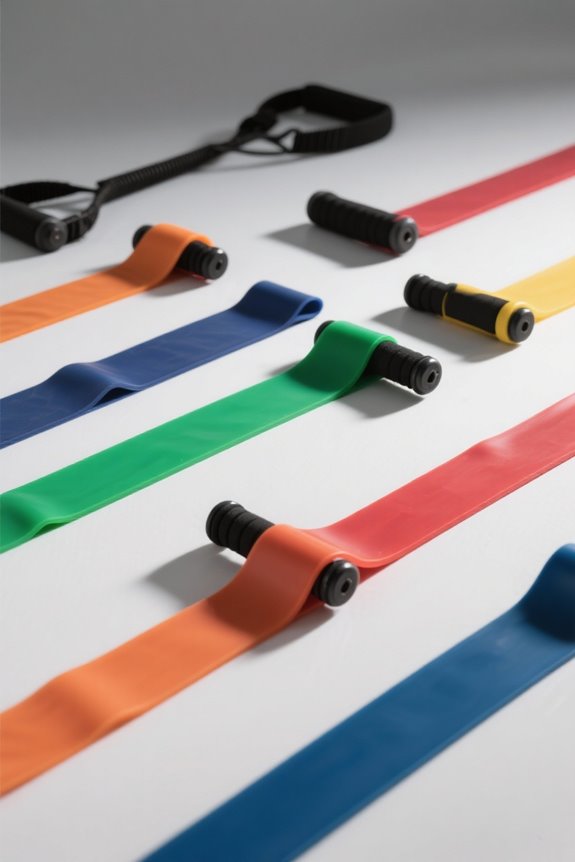
When selecting the perfect resistance band, it’s crucial to understand the different types and their specific applications. Loop bands and mini bands are excellent for lower body exercises like squats, while therapy bands suit upper body workouts, offering broader motion. Tube bands with handles are versatile for both upper and lower body, and figure-8 bands are great for controlled movements, like chest presses.
Considering resistance levels is equally important. Light resistance bands are usually yellow or green, ideal for beginners or rehab, while medium bands, often red or blue, offer moderate strength training. Heavy resistance bands cater to advanced users aiming for power. It’s essential that resistance levels challenge us without risking injury, as bands increase in resistance when stretched. Quality resistance bands made from natural latex provide superior elasticity and durability compared to synthetic alternatives.
Recommended Products

Complete Pilates Studio at Home:Reformer + Pilates box enables 100+ exercises (e.g., box jumps, seated stretches, balance training), transforming your routine from classical reformer to full-body functional training

Heavy duty back roll with a higher weight capacity and extra support, use on chairs, couches, and more

See Product Specifications for more detailed information.
Setting Up Anchoring Points

Selecting the right resistance band is just the beginning; effectively securing them is what ensures a safe and efficient workout. For indoor anchors, door anchors are a reliable choice. We can use those with loops or knots placed on the hinge side for a secure fit. It’s crucial to inspect these before each session, ensuring they’re tightly fastened to prevent slippage. Outdoors, natural options like sturdy fence posts or park benches make excellent anchors. Tree wraps or portable anchor straps are ideal for wrapping around trees, providing a stable setup. Always prioritize safety by selecting robust anchors and double-checking stability before starting. Many resistance band sets include door anchors and ankle straps as standard accessories, with some offering reinforced handles to reduce breakage risk during intense workouts. Remember, a well-secured setup not only enhances safety but also optimizes the resistance band workout experience.
Recommended Products

PILATES WALL WORKOUT: Originally designed by Joseph Pilates, the Ped-o-Pull features a compact profile that supports a variety of exercises. This revolutionary Pilates equipment takes up minimal space, making it easy to fit in your home or studio.

The Web Slide Difference. The Web Slide Professional System organizes your clinic and streamlines patient training sessions. Any resistance bands/tubing, pulley devices, or other exercise equipment that utilizes a Web Anchor Strap for door attachment can be set up and ready to go in seconds with a Web Slide Exercise Rail-no door required!

𝗔𝗱𝗱𝗿𝗲𝘀𝘀𝗲𝘀 𝗖𝗼𝗺𝗺𝗼𝗻 𝗣𝗮𝗶𝗻 𝗣𝗼𝗶𝗻𝘁𝘀: Designed to alleviate back pain, plantar fasciitis, sciatica, herniated discs, tight hamstrings, achilles tendonitis, and poor posture, offering a comprehensive solution for better mobility and overall wellness.
Proper Hand and Foot Positioning

Ensuring proper hand and foot positioning with resistance bands is crucial for maximizing workout efficiency and minimizing the risk of injury. Let’s focus on hand grip and foot stance to get the most from our exercises. For the hand grip, we should use an overhand or neutral position, keeping our wrists straight and palms facing the right direction, ensuring effective muscle engagement. A relaxed but firm grip on the handles helps avoid tension in our forearms.
When it comes to foot stance, having our feet shoulder-width or hip-width apart on the band ensures stability. Positioning the band under the midfoot prevents slipping, and slightly bent knees engage our lower body safely. Let’s adjust foot width based on exercise focus for optimal results. Look for bands with non-slip handles that provide enhanced grip security during intense workouts, as this design feature significantly reduces the risk of accidents and improves overall exercise performance.
Execution of Press Movements

Now that we’ve mastered proper hand and foot positioning, let’s focus on executing press movements with resistance bands effectively. Our press techniques should start with a stable setup: stepping on the band shoulder-width apart and gripping the handles firmly. For shoulder presses, keep your elbows aligned over wrists and maintain a neutral posture, engaging the core to avoid back arching. Initiate the press by extending your elbows fully overhead in a smooth motion, ensuring elbows stay slightly in front of shoulders. For chest presses, position the band behind the upper back, pressing forward without hyperextension. Remember, execution tips include controlling both the pressing and lowering phases, maintaining consistent tension, and inspecting bands pre-workout for safety. The non-slip handles found on quality resistance band sets enhance user safety and stability during these pressing movements, preventing grip slippage that could compromise form.
Effective Chest Fly Techniques
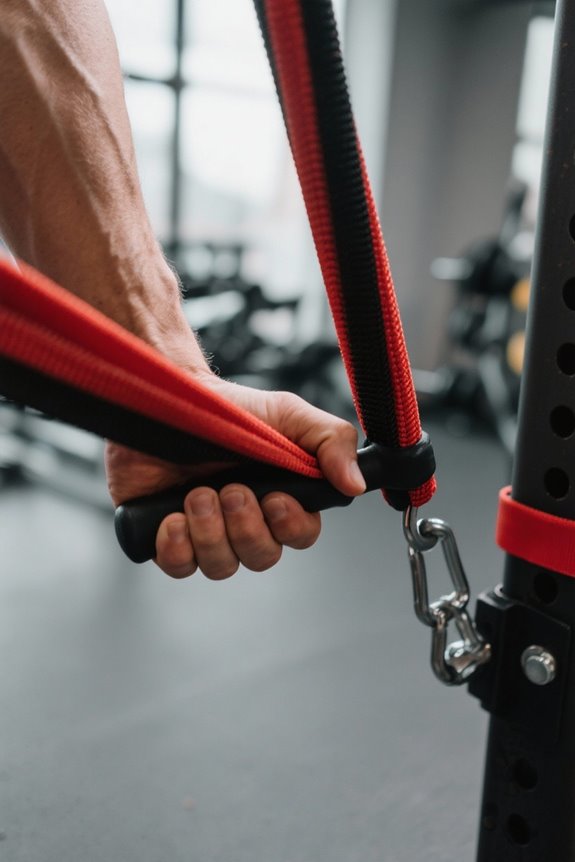
When it comes to mastering effective chest fly techniques with resistance bands, maintaining proper form is paramount. We need to keep a slight bend in our elbows throughout the movement, ensuring full muscle activation by focusing on engaging the chest rather than relying on shoulders or triceps. Adjusting resistance is crucial; the bands should be anchored at chest height to offer optimal tension, promoting a controlled, slow movement.
Let’s not forget core stabilization—engaging our core helps maintain posture and stability. By standing at an appropriate distance from the anchor, we ensure sufficient tension, enhancing the unique challenge of variable resistance. Avoid common mistakes like overly heavy bands or jerky movements, which can compromise the exercise’s effectiveness and our form. The anti-slip design of quality resistance bands helps maintain a secure grip throughout the chest fly movement, preventing distractions and ensuring consistent form.
Safety and Injury Prevention
Mastering the chest fly with resistance bands is just the beginning; safeguarding our health and preventing injuries is equally important. To ensure band durability, we must inspect our bands for cracks, tears, or nicks before each use. Regular maintenance is crucial—store them in a cool, dark place to prevent deterioration. Injury statistics highlight the importance of secure attachment; using specialized anchors like door anchors ensures stability. Always confirm that bands are properly connected to handles or accessories. During exercise, controlled movements and protective eyewear can prevent accidents. Start with lighter resistance bands to master form and posture, gradually progressing under professional advice. When selecting resistance bands, consider color-coded resistance levels to match your current strength capacity and training goals. Regularly reassess and replace worn bands to uphold safety standards, ensuring our workouts remain both effective and safe.
Optimizing Exercise Variations
Although resistance bands may seem simple at first glance, their potential for optimizing exercise variations is vast and impressive. By embracing exercise variety, we can mimic functional movement patterns and target versatile muscle groups. With linear variable resistance (LVR), bands maximize muscle activation, especially during eccentric phases, promoting better control and strength. Our ability to change band tension by adjusting grip or swapping bands allows us to personalize resistance levels effortlessly.
Bands are perfect for experimenting with concentric-only, eccentric-focused, and combined contractions, catering to different muscle activation patterns. Adding bands to traditional exercises, like squats or presses, creates hybrid loading, enhancing time-under-tension and stimulating muscle hypertrophy. For movement pattern variations, bands enable diagonal pulls, rotational work, and unilateral training, improving balance and stabilization. When combining resistance bands with weights during strength circuits, the linear variable resistance creates unique loading patterns that challenge muscles throughout their full range of motion.
Recommended Products
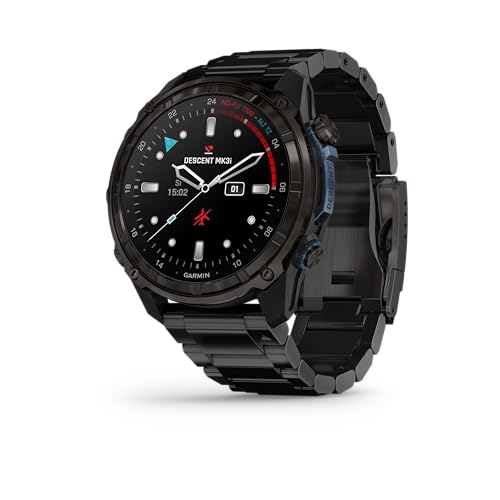
Advanced, watch-style dive computer features a stunning 1.4” AMOLED display, scratch-resistant sapphire lens, 51 mm titanium bezel and optional titanium bracelet - Physical size - 51 x 51 x 16.4 mm Fits wrists with the following circumference: Silicone band: 135-230 mm Extra long silicone band: 135-355 mm Titanium bracelet: 135-220 mm

IN THE BOX: 1x Garmin Descent Mk3i – 43 mm Bronze PVD Titanium with French Gray Silicone Band, 1x black extra long adjustment strap,1x USB-C to clip, 1x charging/data cable, 1x Wearable4U Power Bank, 1x USB C-type adapter

【How It Works】No more stealing a barbell and bench just for hip thrusts. GOIMU HT01 hip thrust machine is a purpose-built machine for serious lower-body power, eliminating the hassle of make shift setups. Simply load the plates, plant the feet and drive through each rep. Whether home exercises are aiming to maximize sprint speed and explosiveness or focus on serious glute gains, our machine delivers unmatched force production without wasted time and setup.
Integrating Resistance Bands Into Workouts
Integrating resistance bands into our workouts opens up a world of exercise possibilities that enhance both functionality and convenience. With band versatility, we can substitute traditional weights, ensuring our home workouts remain effective without bulky equipment. Their adaptability allows us to engage in workout creativity by incorporating them into circuit training, seamlessly transitioning between exercises for a full-body challenge. Bands enable resistance progress through variable tension, promoting functional strength by targeting stabilizing muscles during squats, lunges, and presses. For those of us interested in group training, bands serve as excellent accessory options, easily scalable to different fitness levels. These bands accommodate various fitness routines including strength training, stretching, yoga, Pilates, and rehabilitation, making them suitable for all skill levels from beginners to advanced. Ultimately, resistance bands provide an efficient, space-saving solution for building strength and flexibility, making them a valuable addition to any workout routine.
Recommended Products
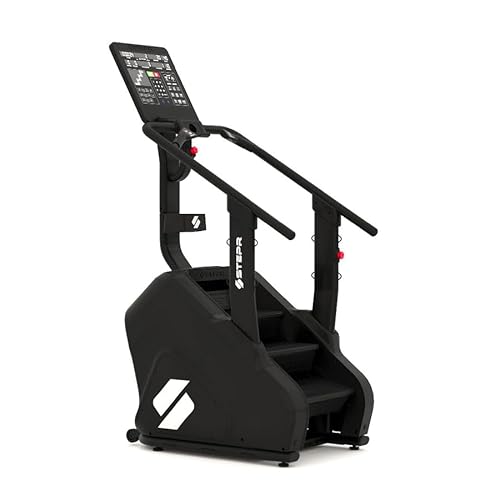
Commercial Grade Construction: Designed for durability, this stair stepper machine withstands rigorous use. Its commercial grade build makes it the ideal stair machine for intense home workouts, ensuring longevity and reliability.
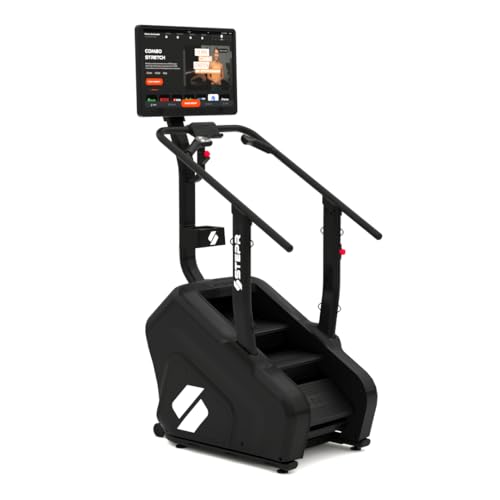
Commercial Grade Construction: Designed for durability, this stair stepper machine withstands rigorous use. Its commercial grade build makes it the ideal stair machine for intense home workouts, ensuring longevity and reliability.
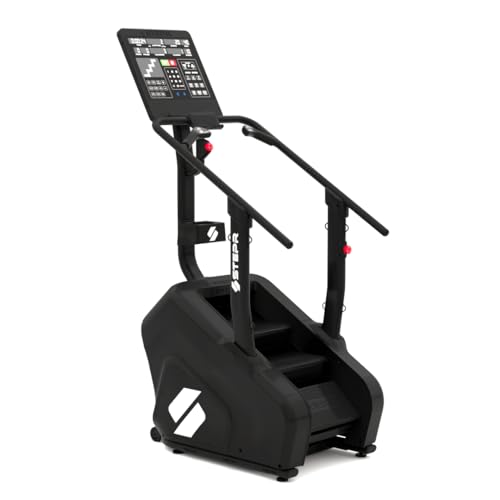
Commercial Grade Construction: Designed for durability, this stair stepper machine withstands rigorous use. Its commercial grade build makes it the ideal stair machine for intense home workouts, ensuring longevity and reliability.
Maintaining Proper Posture
Maintaining proper posture during our workouts with resistance bands is crucial for maximizing the benefits and preventing injuries. By focusing on posture correction, we can ensure muscle engagement that supports our body. Placing the band behind our back or in front of the chest engages the shoulders and upper back, key areas for improving posture. Exercises like the reverse grip banded pull apart and side pulls are excellent for un-hunching shoulders and strengthening the upper back. Consistent muscle engagement through multiple sets and controlled repetitions helps build strength effectively. Proper breathing techniques, such as exhaling during effort, enhance muscle activation. Let’s remember to keep our core active and spine straight, ensuring aligned posture throughout each exercise. The ergonomic grips on quality resistance bands provide comfort during extended workouts, allowing you to maintain proper form without hand fatigue compromising your posture.
Balancing Resistance Levels
When it comes to balancing resistance levels with resistance bands, choosing the right tension is crucial for achieving our fitness goals, whether we’re beginners or seasoned athletes. Resistance bands offer various resistance levels, allowing us to make resistance adjustments for tailored workouts. Starting with lighter bands is recommended for beginners or those in recovery, while advanced users might opt for heavier bands. Adjusting our hand position, such as starting with hands closer together, can increase the tension for more challenging exercises. It’s essential to align the resistance level with our specific goals, whether toning, strength building, or rehabilitation. By gradually progressing to heavier bands, we ensure a safe, effective workout routine, maximizing the versatility of resistance bands in targeting different muscle groups. For optimal results, select bands made from 100% natural latex for superior elasticity and consistent performance throughout your workout progression.
Recommended Products

Resistive bands for variety of gentle exercises
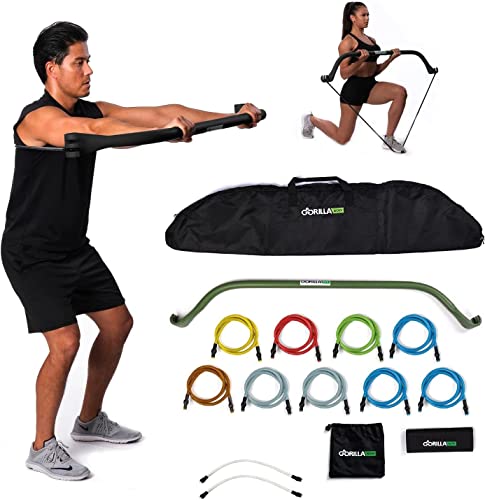
ALL-IN-ONE HOME GYM SYSTEM: Gorilla Bow Original delivers full body strength training with one portable resistance system designed for home, travel, and outdoor workouts, train chest, back, arms, legs, and core without bulky gym equipment while maintaining consistent performance anywhere

AccuForce low-powder exercise band
Maximizing Workout Benefits
Resistance bands, with their impressive versatility, offer an efficient way to maximize workout benefits. By providing continuous tension, they ensure greater muscle activation compared to traditional weights. This constant resistance challenges our muscles, engaging both agonist and antagonist groups for improved stability. As we perform exercises, our core remains engaged, enhancing overall muscle engagement and functional strength, essential for daily activities.
Moreover, bands are ideal for flexibility enhancement. Their recoiling nature helps stretch tight tissues, gradually increasing flexibility and range of motion without excessive strain. This makes them perfect for rehabilitation and athlete recovery, offering variable resistance for customized exercises. Additionally, their low-impact nature suits those avoiding high-impact movements, enabling a comprehensive fitness routine that boosts strength and flexibility simultaneously.
Frequently Asked Questions
How Do I Choose the Right Band for My Fitness Level?
We should evaluate our fitness goals and match them with band tension. Beginners start with lighter bands to build strength gradually, while advanced users opt for heavy bands to maximize gains. Progress safely to prevent injury.
Can Resistance Bands Replace Traditional Weightlifting Entirely?
We can’t entirely replace traditional weightlifting with resistance bands, but their benefits and versatility make them excellent for supplemental training. Bands enhance muscle activation and joint safety, yet lack the heavy load capacity for maximal strength gains.
How Often Should I Replace Resistance Bands?
We’d replace resistance bands every 6-12 months, but if they snap mid-workout, that’s a clear replacement sign! By spotting cracks or tears, we can extend band lifespan with proper care and timely replacements. Who wants surprises mid-squat?
What Are the Common Mistakes Made With Resistance Band Exercises?
We often make mistakes like using excessive tension or relying on a single band for all exercises. Wrong form, like rushing reps or poor posture, compromises effectiveness. Let’s focus on controlled movements and appropriate resistance levels.
Do Bands Lose Resistance Over Time With Use?
Indeed, bands do lose resistance over time, akin to Achilles’ heel succumbing to weakness. Fatigue factors like overstretching and environmental exposure contribute to this. Regular band maintenance helps mitigate these effects, extending their useful lifespan.