As an Amazon Associate, we earn from qualifying purchases. Some links on this site are affiliate links at no extra cost to you. Our recommendations are based on thorough research and editorial judgment.


How to Incorporate Jump Rope Intervals Into Strength Training

Let’s integrate jump rope into our strength training for a more dynamic workout. We can jump rope between sets of exercises like push-ups and squats to increase intensity, endurance, and calorie burn. Intervals of 30 seconds to 1 minute push our cardiovascular limits, enhancing overall fitness. Using weighted ropes can improve upper-body strength while engaging multiple muscle groups. By varying techniques, we challenge our coordination and balance, making workouts more engaging. There are even more strategies we can discover.
Key Takeaways
- Alternate jump rope intervals with strength exercises like push-ups and squats to increase workout intensity.
- Use weighted jump ropes to enhance upper-body strength while incorporating intervals into strength circuits.
- Integrate short, high-intensity jump rope sessions to boost muscle power and speed.
- Allow adequate rest between intervals to optimize performance and prevent fatigue during strength training.
- Balance caloric intake with energy expenditure to support muscle growth and recovery.
Cardiovascular and Endurance Boost
When it comes to boosting our cardiovascular health and endurance, incorporating jump rope into strength training is a game changer. We enjoy significant cardiovascular benefits, as jump rope rapidly elevates our heart rate, offering a workout comparable to running. Just ten minutes daily can enhance our heart efficiency like 30 minutes of jogging, burning approximately 500–600 calories per 30 minutes. Additionally, there’s a reduction in our resting heart rate and blood pressure, decreasing cardiovascular disease risk.
Endurance improvements are remarkable, too. Jump rope intervals of 10–15 minutes, several times weekly, build stamina by engaging our muscles consistently. Enhanced oxygen delivery from improved cardiovascular fitness boosts our endurance and recovery, complementing our strength training without compromising time or results. To maximize lower body strength gains during recovery periods, consider incorporating resistance bands that target glute and leg muscles with varying intensity levels.
Enhancing Coordination and Balance
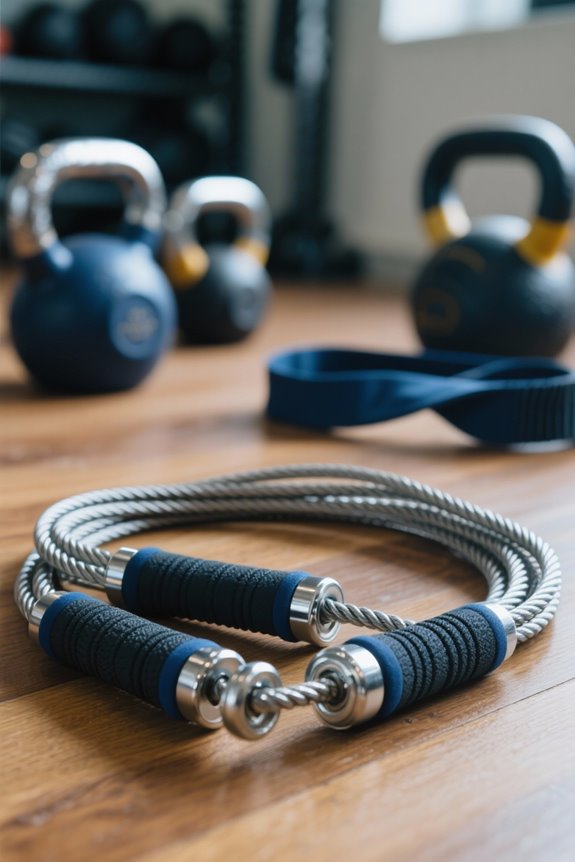
Jump rope isn’t just a tool for cardiovascular benefits; it significantly enhances our coordination and balance. When we jump rope, we engage in coordination drills that require synchronized movements of our arms, legs, and torso, boosting gross motor coordination. The precise timing between turning the rope and jumping improves neuromuscular communication, enhancing our body’s rhythmicity and inter-limb coordination.
Moreover, as we incorporate balance exercises through jump rope, we challenge our dynamic postural control. This activity stabilizes our core, promoting better spinal alignment and posture. Jumping on our toes strengthens ankle stability, refining our balance. The repetitive nature of jump rope also provides continuous proprioceptive feedback, improving our body’s awareness in space and contributing to better movement control in various physical activities. To further develop these balance skills, incorporating balance boards into your training routine can provide additional stability challenges that complement the coordination benefits gained from jump rope intervals.
Integrating Jump Rope as a Warm-Up

One of the most effective ways to kick-start a strength training session is by integrating jump rope into our warm-up routine. Jump rope benefits us by efficiently burning calories, preparing our bodies for the workout ahead. As a warm up technique, it elevates our heart rate and increases blood circulation, ensuring cardiovascular preparation. By activating major muscle groups like the lower body, upper body, and core, we’re readying ourselves for the strength exercises to come. Additionally, jumping rope enhances agility and reflexes, which are crucial for quick movements in strength training. The rhythmic nature also improves mental focus, setting the stage for intense activity. Studies suggest that just a few minutes of jumping can yield substantial fitness benefits equivalent to longer periods of other traditional workouts, making it an incredibly time-efficient warm-up option. These multifaceted benefits make jump rope an indispensable part of our pre-workout strategy.
Recommended Products

Bluetooth-connected weighted jump rope set for high-intensity interval & endurance fitness training

First weighted jump rope system built to help you achieve your strength, endurance, and fitness goals; includes a 1LB and 2LB rope and power handles

First weighted jump rope system built to help you achieve your weight loss and fitness goals
Active Recovery With Jump Rope

As we prepare to shift gears from warming up to active recovery, it’s important to acknowledge the role jump rope can play in our post-workout routine. Engaging in active recovery with jump rope offers numerous benefits: it improves circulation, aiding in metabolic waste removal and delivering oxygen to muscles. This low-impact exercise reduces inflammation, making it ideal for days when we need to avoid high-impact activities. Besides preventing injuries by maintaining flexibility, jump rope provides stress relief, helping us manage post-workout tension. Its versatility and portability mean we can easily incorporate it into our routines, whether at home or on the go. Moreover, jump rope keeps us mentally engaged, burning calories without excessive strain and enhancing overall recovery. The double-bearing systems in quality jump ropes ensure smooth, fast rotations that make active recovery sessions more efficient and enjoyable.
Recommended Products
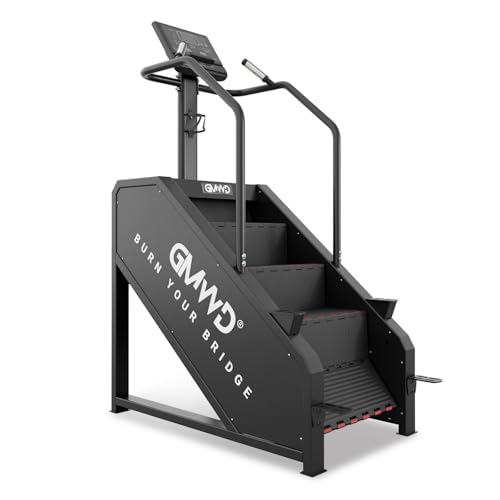
【Expert Technical Assistance】The GMWD stair stepper boasts the latest in high-tech gravity induction electromagnetic braking and anti-skid technology for maximum safety. When in use, the pedals lock automatically to prevent slipping. Simply enter your information and press start for a secure and effortless workout.
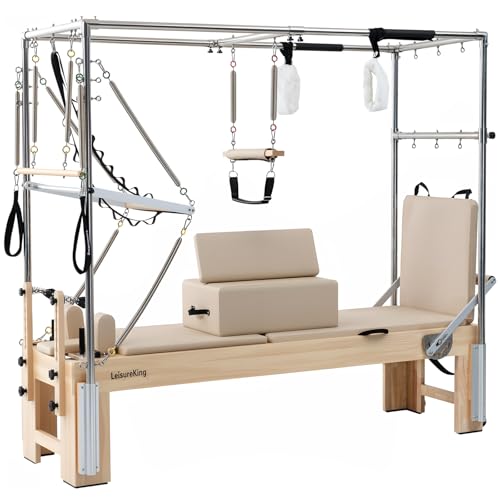
3-in-1 Versatility: This reformer cadillac combo combines a Pilates reformer, Cadillac trapeze, and tower to deliver everything you need for core training, full-body toning, and rehab. It's a studio-grade machine built to grow with your ability
Combining Strength Circuits With Jump Rope

Integrating jump rope into our strength circuits can transform a routine workout into a dynamic and comprehensive fitness experience. We can harness jump rope benefits by incorporating it between strength exercises, such as push-ups and squats, boosting intensity and endurance. This combination maximizes calorie burn and targets multiple muscle groups, thanks to the aerobic and anaerobic nature of these strength circuit variations. Using weighted jump ropes can further enhance upper-body strength, promoting muscle activation in the arms and shoulders while improving grip strength. Additionally, the plyometric nature of jumping enhances lower-body strength and coordination. By alternating jump rope with core-focused movements like planks, we achieve a balanced workout that strengthens and sculpts the midsection efficiently. For those looking to intensify their core training further, incorporating ab workout wheels between jump rope intervals can effectively target multiple muscle groups while maintaining the high-intensity nature of the circuit.
Recommended Products

KETTLEBELLS ADJUSTABLE WEIGHT: Utilize this PowerBlock kettlebell set that feels like solid iron with the advantages of adjustability. This kettlebell has a range of 35-62 pounds and easy weight identification for a great workout.

✅EXTRA-LARGE HOME GYM MAT COVERS 72 SQUARE FEET: The 12’x6’x7mm large fitness mat instantly transforms any space into a professional gym, giving you and your partners more than enough room to workout on without feeling cramped, and the floor mat is even shoe-friendly, whether you're doing cardio, yoga, weightlift, dance including P90x, MMA, TAM, insanity, T25, Zumba, kettlebell, jumping rope or need large equipment mats to install underneath a treadmill or weight bench, try this exercise mat.

Weighted jump rope made of solid rubber with padded PVC handles
Managing Intensity and Duration
Jump ropes bring a unique and effective twist to our strength training circuits, and mastering how to manage intensity and duration is key to maximizing benefits. By utilizing intensity modulation, we can tailor our workouts to specific goals. Short, high-intensity intervals, like 30 seconds at maximum effort, boost speed and power, while longer, moderate sessions of 15-20 minutes enhance endurance. Duration adjustment is crucial; beginners should start with shorter intervals, around 30 seconds to 1 minute, and gradually increase as stamina builds. Rest periods play a pivotal role, with shorter breaks, 10-30 seconds, maintaining heart rate, and longer rests, up to 1 minute, aiding recovery. Balancing jump rope intensity with strength training ensures optimal performance and prevents fatigue. Just as proper equipment organization enhances workout flow and reduces downtime between exercises, having your jump ropes and weights systematically arranged creates a more efficient training environment.
Supporting Bone Density and Joint Health
When we think about supporting bone density and joint health, adding jump rope to our routine can be a game-changer. Jumping rope is a high-impact, weight-bearing exercise that stimulates bone mineral density by applying dynamic stress to bones, sparking positive adaptations. Research shows that 50 jumps daily, done four times a week, can enhance bone density, with even short sessions benefiting post-menopausal individuals. It targets key skeletal sites like the hips and spine, areas vulnerable to osteoporosis, by distributing impact forces across different regions through varied jumping patterns. For joint health, gradually increasing jump rope intensity and volume helps prevent overuse injuries, ensuring that tendons and ligaments adapt safely, enhancing joint stability and resilience over time. Similar to how battle rope training enhances coordination and flexibility while targeting multiple muscle groups, jump rope intervals provide comprehensive benefits for both cardiovascular fitness and musculoskeletal health.
Optimizing Fat Loss and Metabolic Rate
While it’s tempting to view jump rope as just a simple childhood pastime, its potential for optimizing fat loss and boosting metabolic rate is impressive. As a fat loss strategy, jump rope intervals can burn 226–503 calories in just 30 minutes at a slow-moderate pace, and even up to 1,300 calories per hour when performed vigorously. This efficiency makes it ideal for metabolic conditioning, maximizing calorie burn and enhancing the EPOC effect. In terms of metabolic rate enhancement, high-intensity jump rope sessions not only elevate metabolic rate for hours post-workout but also improve aerobic capacity. By integrating jump rope into our routines, we can enhance fat loss while boosting overall metabolic efficiency, making it a powerful tool for anyone aiming to shed excess weight. Weighted jump ropes can further amplify workout intensity, helping to build muscle while simultaneously improving cardiovascular fitness during these high-intensity interval sessions.
Recommended Products
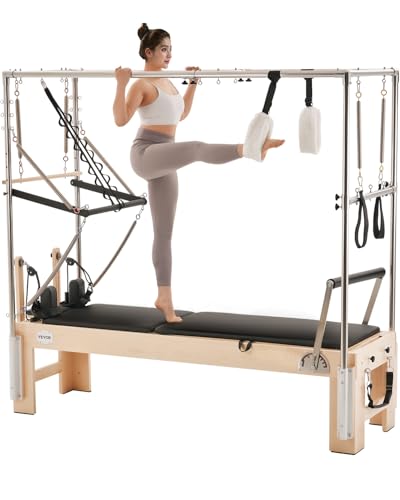
Premium Structure: This pilates reformer features a stunning and sturdy solid maple wood frame with a sleek interior, supporting up to 400 lbs. Its strong construction ensures enhanced stability and support, making it perfect for your daily meditation and workout needs
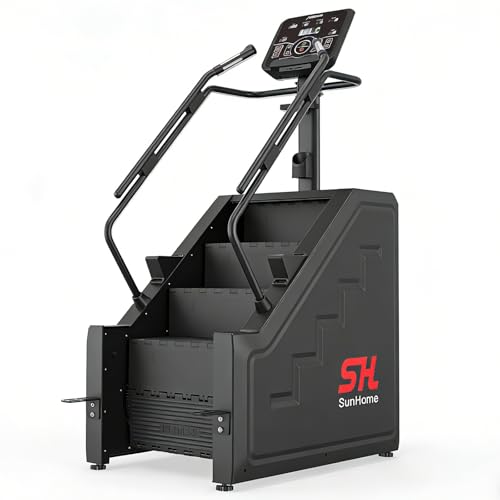
【Commercial-Grade Weight Capacity & Sturdy Quiet Operation】SunHome stair stepper machine engineered with rust-resistant polypropylene construction + alloy steel frame. 4 thickened non-slip foot pads reduce vibration and noise, durable enough for daily high-frequency home use without disturbing family. Stair stepper supporting users up to 375 lbs for worry-free home or gym workouts

🚚 IMPORTANT FREIGHT DELIVERY INFO (CURBSIDE ONLY): Due to the oversized nature of this item, it ships via specialized LTL freight. Delivery is strictly CURBSIDE. The carrier will contact you directly via your phone number to schedule a mandatory delivery appointment. Please ensure your phone number is up to date. You will be responsible for moving the item from the curb into your home. Note: Please inspect the packaging thoroughly upon arrival and note any damage on the BOL before signing.
Programming for Muscle Retention
For those of us looking to retain muscle while incorporating cardio, programming jump rope into our strength training routine can be incredibly effective. By focusing on muscle engagement strategies, we can integrate jump rope variations that target multiple muscle groups, like our legs, core, and upper body. This approach ensures that while we’re burning calories efficiently, we’re also maintaining adequate caloric intake to support muscle retention. Utilizing high-intensity interval training (HIIT) with jump rope elevates human growth hormone levels, which aids in preserving muscle mass. Importantly, we should ensure strength training remains the primary focus, with jump rope intervals serving as a supplementary cardio to prevent muscle loss. Short, intense jump rope intervals are ideal, keeping our workout structure balanced and effective. When equipment space is limited, resistance tube bands can complement jump rope training by providing additional strength training options that target the same muscle groups we’re working to preserve.
Incorporating Diverse Jump Rope Techniques
Incorporating diverse jump rope techniques into our fitness routine not only enhances our physical agility but also keeps our workouts engaging and varied. By integrating advanced techniques like double unders and criss cross, we elevate our coordination and workout intensity, pushing our skill development further. These moves, requiring fast wrist action and upper body engagement, challenge us to reach new fitness levels.
Additionally, footwork variations such as side-to-side jumps and fast skips improve our lateral quickness and timing, vital for enhancing athleticism. These exercises engage different muscle groups and improve our dynamic balance, increasing our overall agility. By combining these advanced techniques and footwork variations, we create complex, stimulating intervals, ensuring our jump rope sessions remain fresh and effective in building strength and endurance.
For those looking to maximize their workout effectiveness, weighted jump ropes add resistance training benefits that can significantly enhance strength building during interval sessions.
Recommended Products

Studio-Quality Design: Features a solid oak wood base, elevated steel frame, wide padded platform, and smooth aluminum rails for a professional Pilates experience at home

Ultra3.0 Premium Pilates Reformer: Built with aerospace-grade aluminum and stainless steel frame, natural maple wood, and U.S made skin-friendly PU materials, delivering a professional workout experience as comfortable as lying on a luxury mattress.
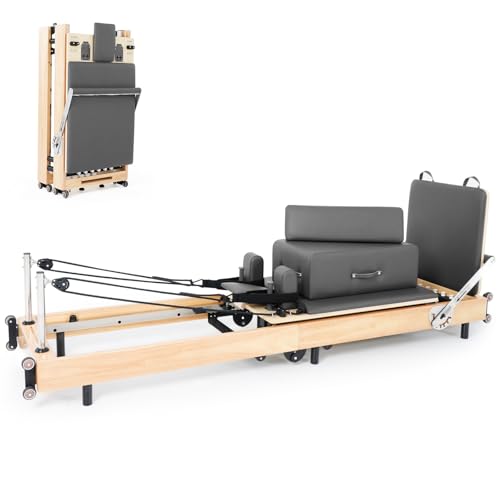
Foldable Pilates Reformer: The Pilates folds by adjusting support legs, reducing its dimensions to 24" L x 18.9" W x 47.2" H. This compact size allows for storage under a bed or in a storage room for space-saving. With built-in wheels, it's easily movable within your home, offering a comfy workout space and all Pilates benefits without gym visits.Expanded size:94.5"L x 24"W x 11.8"H
Balancing Nutrition and Training Demands
Balancing nutrition with the demands of our jump rope and strength training routines can be the key to achieving optimal performance and results. Effective meal planning and nutrient timing ensure we meet our energy needs and enhance recovery. Jump rope intervals can burn 500-1,000 calories per hour, so we must adjust our caloric intake to support both energy expenditure and muscle growth. A balanced macronutrient intake—carbohydrates (45–65%), fats (20–35%), protein (10–35%)—is crucial. Consuming complex carbs like oats and whole grains fuels workouts, while protein-rich snacks post-exercise aid muscle repair. Timing meals 2-3 hours before training optimizes energy, and post-workout, focusing on protein and carbs helps replenish glycogen and support recovery. Let’s track our intake to maximize results.
Frequently Asked Questions
How Often Should I Replace My Jump Rope to Ensure Safety?
Let’s investigate the truth: rope durability isn’t infinite. We should inspect our jump ropes regularly. Depending on usage and rope materials, replace every 3-6 months for frequent use or yearly for moderate use to ensure safety.
What Type of Jump Rope Is Best for Beginners?
We’d recommend beaded ropes for beginners. They offer great control and feedback, essential for mastering beginner techniques. Jump rope benefits include improved timing and skill development, making beaded ropes ideal for learning the basics effectively.
Can Jumping Rope Help With Mental Focus During Workouts?
Jumping rope sharpens our minds like a sculptor chiseling away distractions, enhancing mental clarity. As we leap, cognitive benefits flourish, boosting focus and attention during workouts. Let’s embrace this rhythmic dance for improved mental acuity.
How Do I Prevent Tripping While Jump Roping?
Let’s prevent tripping by focusing on proper tripping techniques and rope adjustments. We’ll ensure the rope skims the ground, maintain correct form, and develop a consistent rhythm. Practicing these tips gradually boosts our confidence and coordination.
What Clothing Is Recommended for Jump Rope Sessions?
Think of our jump rope clothing like a second skin—breathable fabrics help us stay cool, while supportive footwear cushions our landings. High-waisted, form-fitting attire ensures comfort and safety, keeping us focused on our workout.