As an Amazon Associate, we earn from qualifying purchases. Some links on this site are affiliate links at no extra cost to you. Our recommendations are based on thorough research and editorial judgment.

Isometric Holds: Building Strength Without Movement

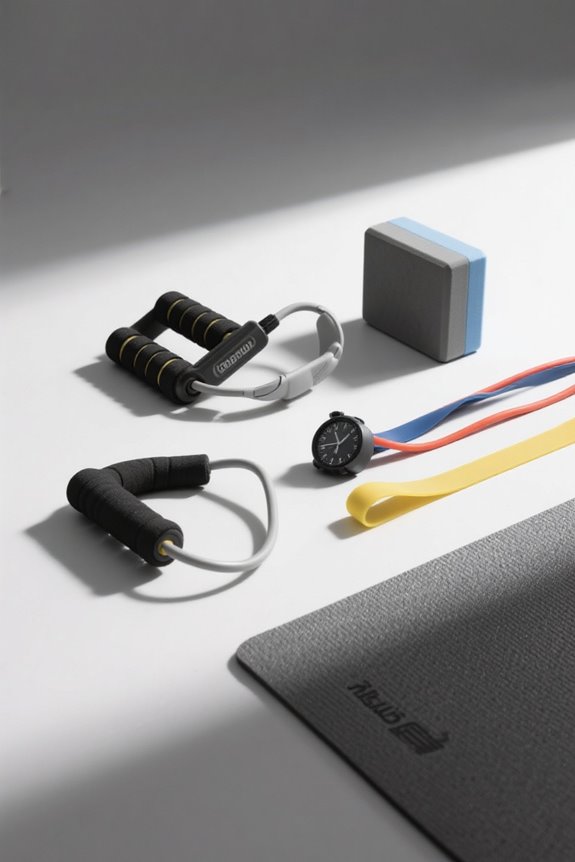
Professional fitness equipment photograph captured on Canon EOS R5 with RF 50mm f/1.2L lens at f/2.8. Features premium resistance bands, yoga blocks, and timer displayed in clean isometric arrangement on minimalist gradient backdrop. Dramatic studio lighting creates soft shadows highlighting product textures and details. Sharp focus emphasizes commercial-grade equipment quality with vibrant colors against professional white-to-grey gradient. Commercial product composition showcases static training tools essential for isometric exercises. No text overlays, no people, pristine 4K quality product shot ideal for fitness catalogs and promotional materials.
# Isometric Holds: Building Strength Without Movement
Isometric holds build strength without movement by contracting muscles, generating constant tension that leads to neuromuscular adaptations. Whether through pushing isometrics (PIMAs) against immovable objects or holding isometrics (HIMAs) for joint stability, this method boosts muscle endurance and reduces pain sensitivity. We can expect strength improvements up to 91.7% with consistent training. By tailoring intensity and using supporting tools like weighted vests, isometric holds offer a unique approach to strength training. There’s more to learn about maximizing these benefits.
Key Takeaways
- Isometric holds enhance muscle endurance and joint stability without changing muscle length or joint angles.
- These exercises increase strength through constant tension and intramuscular pressure, promoting new muscle protein synthesis.
- Pushing isometrics focus on immovable objects, offering fatigue resistance, while holding isometrics enhance joint control.
- Isometric training effectively reduces pain sensitivity and provides immediate analgesia for musculoskeletal conditions.
- Combining isometric holds with traditional training enhances overall strength and muscle hypertrophy through targeted adaptations.
Understanding Isometric Holds
Understanding isometric holds involves recognizing their unique role in strength training, where our muscles contract without changing in length or affecting joint angles. In these exercises, the contraction mechanics are fascinating—muscles generate force while maintaining constant tension, akin to pressing hands together or holding a squat. Muscle adaptation occurs through this sustained effort, as the constant tension increases intramuscular pressure and possibly triggers growth via new actin and myosin synthesis. Unlike isotonic contractions, where muscle length changes, isometric holds keep things static, offering a different neuromuscular challenge. By engaging more motor units at specific joint angles, we can strengthen muscles in those positions. This nuanced approach not only aids muscle endurance but also enhances overall strength development. Forearm rollers with ergonomic features can be particularly effective for building grip strength through sustained isometric contractions.
Benefits of Isometric Training

When we explore the benefits of isometric training, it becomes clear that these static exercises offer an efficient way to enhance both strength and cardiovascular health. By holding positions with low to moderate intensity, we can improve muscle endurance and joint stability. Regularly engaging in isometric exercises helps reduce blood pressure and hypertension within 4 to 10 weeks, thanks to physiological responses like increased heart rate and controlled breathing. This low-intensity approach also minimizes fatigue, allowing us to maintain a consistent routine. Furthermore, isometric holds enhance joint stability by strengthening surrounding muscles, which aids in injury prevention and recovery. For those building a home gym setup, proper kettlebell storage solutions help maintain an organized workout space while keeping your equipment easily accessible for regular training sessions. Overall, these exercises offer a time-efficient method to boost muscle and cardiovascular health, supporting better overall fitness and well-being.
Types of Isometric Muscle Action

Although isometric muscle action might sound complex, it simply involves generating muscle tension without any change in muscle length or joint movement. In these actions, we maintain a static joint position, which means our muscles’ proximal and distal attachments don’t move relative to each other. This stability differentiates isometric from isotonic contractions, where muscles change length.
We can classify isometric muscle actions into two types: pushing isometrics and holding isometrics. Pushing isometrics (PIMAs) occur when we attempt to push against an immovable object, maximizing force output without movement. On the other hand, holding isometrics (HIMAs) involve resisting an external load, maintaining stability against opposing forces. PIMAs are more fatigue-resistant, while HIMAs fatigue quicker but enhance joint stability and control. For those looking to incorporate isometric holds into their strength training routine, adjustable dumbbells provide an excellent tool for maintaining static positions while progressively increasing resistance levels.
Recommended Products

ADJUSTABLE DUMBBELLS SET: Elevate your fitness and performance with strength-training equipment that adjusts with you. These PowerBlock dumbbells have a range of 5-90 pounds per hand, a knurl grip grip handle, and easy weight identification.

The Original NUOBELL : Premium 5–80 lb Adjustable Dumbbells for Home Gym Training - These authentic SMRTFT NUOBELL adjustable dumbbells deliver smooth weight changes and dependable performance across the full 5–80 lb range. A true adjustable dumbbells set built for serious home gym athletes.

Twist lock system. Turn the handle to select your weight and lift dumbbell out of the cradle to enjoy a fluid workout.
Isometric Holds in Sports Performance

Isometric holds play a pivotal role in sports performance, offering benefits that extend beyond traditional strength training. These exercises enhance tendon stiffness, improving running economy and performance, particularly in endurance sports. The isometric hold advantages include tendon repair stimulation via collagen alignment, which is vital for recovering from tendinopathies. Joint stability improves through tendon creep, reducing injury risk. Neuromuscular efficiency is another key benefit, as isometric training boosts muscle fiber recruitment at critical joint angles, enhancing strength at weak points. Sport-specific applications are vast; they allow us to target and train specific joint angles relevant to our sports, improving technical skills and reducing fatigue. Isometric holds also support injury prevention and rehabilitation, making them indispensable for athletes. For athletes seeking additional resistance training options during rehabilitation or strength maintenance phases, resistance bands provide a portable and versatile complement to isometric exercises.
Recommended Products

DYNAMIC 4-IN-1 NECK STRENGTHENER: The Iron Neck 3.0 Pro features a unique tension brake system that applies resistance to head rotation like no other. With its Variable Friction Dial, this neck exerciser delivers customized rotational resistance essential for progressive strength training equipment routines.

Bullworker Power Pack - Combining the Bow Classic 36", Steel Bow 20" & ISO-FLO resistance bands, it’s the ultimate portable home gym for all fitness levels. No setup, affordable, compact & low impact, it makes fitness accessible to anyone, anywhere

Neck Strengthening and Rehabilitation: The Iron Neck 3.0, Rehab, and neck strengthening bundle is the ultimate combo pack. This bundle gives you everything from gentle stretching to rehab, increased neck size, and muscle strength.
Enhancing General Health With Isometric Exercises
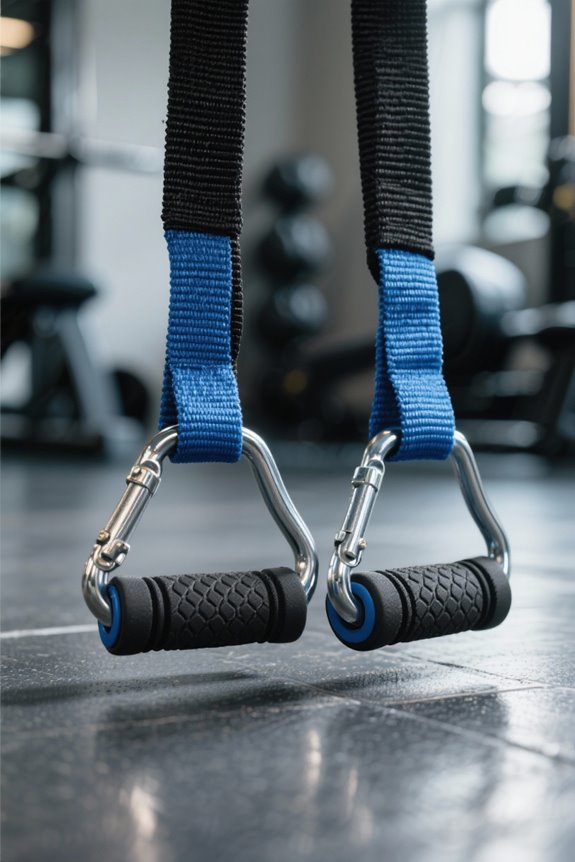
We’ve explored how isometric holds benefit sports performance, and now let’s consider how these static exercises can enhance our general health. Isometric exercises offer significant cardiovascular health benefits by effectively lowering resting systolic and diastolic blood pressure. Remarkably, they outperform aerobic and dynamic resistance training, making them an excellent choice for those with prehypertension or hypertension. What’s more, the isometric safety and accessibility benefits are undeniable. These exercises require no equipment, making them ideal for beginners, older adults, and those with limited mobility. They can be performed anywhere, and with low to moderate intensity levels, they pose minimal risk of injury. This makes them a safe option for most people, including those with mild hypertension, seeking to improve general health. For those looking to add variable resistance to their isometric routine, resistance bands provide a lightweight and portable option that can enhance the intensity of static exercises while maintaining their safety benefits.
Optimal Intensity and Duration for Isometric Training
When determining the optimal intensity and duration for isometric training, it’s crucial to align our goals with specific evidence-based guidelines. For maximum strength, we should aim for an optimal contraction at 80–100% of our maximum voluntary contraction (MVC), holding for 1–5 seconds. Hypertrophy benefits from contractions above 70% MVC, lasting 3–30 seconds, but we need to manage fatigue by avoiding excessive 100% efforts. For explosive strength, very short holds of 1–3 seconds at maximal effort are ideal. Total session volume matters, too—maximum strength gains require 30–90 seconds of sustained contraction per session, while hypertrophy demands 80–150 seconds. By understanding these parameters, we can effectively balance optimal contraction with fatigue management for stronger results. During high-intensity isometric holds, proper grip enhancement becomes essential to maintain maximum voluntary contractions without compromising form or safety.
Recommended Products

Jamar Hydraulic Hand Dynamometer, Lightweight Max Force Indicator to Measure Grip Strength, Calibrated Strengthener Measures PSI, Cordless Hand Evaluation Tool, Easy Squeeze Adjustable Exerciser

Durable Hydraulic Design – Built for long-term use with minimal maintenance, ensuring reliable performance over time.
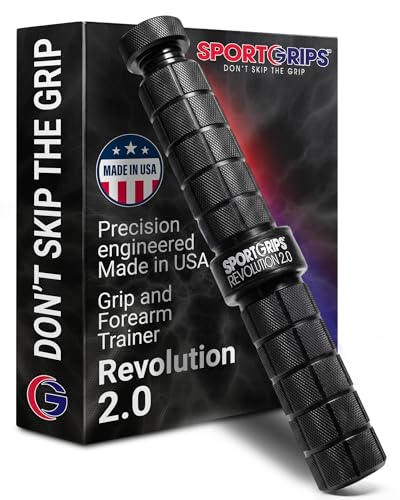
PATENTED ADJUSTABLE RESISTANCE MECHANISM: The Sidewinder Revolution 2.0 delivers smooth, continuous handle rotation, so you can train with the exact tension levels you set yourself. It helps build grip, wrist, and forearm strength through flexion, extension, and rotation, without being limited to a fixed resistance.
Role of Isometric Holds in Rehabilitation
Although often overlooked, isometric holds play a crucial role in rehabilitation, offering a versatile and effective approach to recovery. These rehabilitation techniques are gentle on healing tissues, allowing for safe muscle engagement without joint movement. For conditions like patellar and Achilles tendinopathy, isometric holds provide significant pain management benefits, enabling patients to regain strength and confidence. By preserving muscle strength and reducing pain, these exercises help prevent deconditioning during recovery. Their specificity to joint angles allows us to customize rehabilitation to individual needs. For instance, in post-surgical recovery, isometrics maintain strength without risking further injury. Studies highlight that isometric exercises reduce pain sensitivity and provide immediate analgesia, demonstrating their effectiveness in managing musculoskeletal conditions and promoting long-term muscle adaptations. Adding weighted vests during isometric holds can provide customizable resistance from 6 to 30 pounds, allowing rehabilitation professionals to progressively increase training intensity as patients recover.
Recommended Products

HIGHLY FLEXIABLE AND DURABLE TO USE: Each weighted vest is either 18lbs , 28lbs , 35lbs, 45lbs, 65lbs, 80lbs or 100lbs with removable weights to scale to your training levels and goals. Specifically engineered for performance and comfort during any workout. Our compact design allows extreme weight with less bulkiness ensuring no restrictions in your range of motion
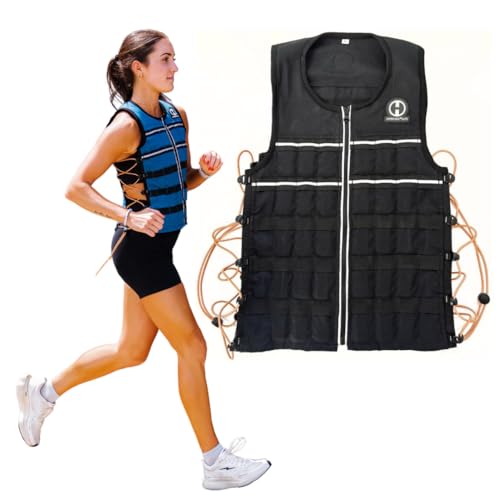
WALKS FEEL STRONGER, NOT HARDER — Patented stretch design holds 20 lb of steel micro-weights evenly across your torso — zero bounce, zero shoulder strain. Walk for miles with resistance that supports bone health, weight loss, and builds strength.

No-Bounce Compression Fit for Running and HIIT — USA-made Xyflex stretch fabric locks weight to your body with zero vertical shift during sprints, burpees, and dynamic training. Moves with you, not against. 15 lb USA steel weights included.
Comparing Isometric Training to Traditional Strength Training
Isometric training and traditional strength training each offer unique benefits for building muscle and strength, and by understanding their differences, we can better tailor our fitness routines. Isometric advantages include significant strength gains, with increases up to 91.7% after consistent training. This method emphasizes maximal voluntary contractions, leading to notable neuromuscular adaptations. In contrast, traditional training focuses on full range of motion, enhancing strength through both eccentric and concentric movements.
While both approaches can boost muscle hypertrophy, isometric holds at longer muscle lengths might produce more localized growth. Traditional training often promotes uniform hypertrophy across muscle regions. For those seeking to enhance their isometric training routine, incorporating equipment like ab roller wheels can provide additional core stability challenges that complement static hold exercises. Ultimately, strength comparisons show both methods are effective but depend on our specific goals, whether maximizing strength, targeting specific muscle regions, or achieving overall muscle growth.
Recommended Products

TRAIN SMARTER, RIDE BETTER – Keep your cycling skills sharp all year long with a roller trainer that enhances balance, technique, and endurance. Perfect for mountain bikers, road cyclists (with spacers), and BMX riders (with spacers) looking to train indoors.

Ab Circle Pro Technology for Targeted Core Training Leverage the same 360° rotational principle as Ab Circle Pro to engage upper abs, lower abs, and obliques simultaneously. Achieve visible core definition with efficient, gym-quality workouts at home.

💪【4 Wheels Stable Workout Equipment for Abs】:NOTE: Please do not use on carpets! Our ab roller machine won US Invention Patent in 2021, Patent No.:11,033,768, Certified by TÜV Rheinland in Germany in 2020, which is designed with four wheels to provide stability and prevent rolling over during workouts, ensuring safety and avoiding injuries.
Frequently Asked Questions
Can Isometric Holds Improve Mental Focus and Concentration?
Yes, they can. We’ve experienced that isometric holds boost our mental clarity and concentration enhancement. By engaging our muscles and mind simultaneously, we notice improved focus and cognitive benefits, making them a valuable addition to routines.
Are There Specific Breathing Techniques for Isometric Holds?
Yes, specific breathing techniques matter. Did you know 30% more muscle activation occurs with optimal breathing patterns? By focusing on nasal inhalation and diaphragmatic expansion, we enhance oxygen delivery, supporting sustained isometric holds and improved performance.
How Do Isometric Holds Affect Muscle Endurance?
Isometric holds boost muscle endurance by enhancing neuromuscular efficiency and metabolic capacity, delaying muscle fatigue onset. We experience endurance gains through improved force capacity and sustained muscle activation, strengthening our ability to maintain contractions over time.
Can Isometric Holds Help With Flexibility and Range of Motion?
By Jove, isometric holds boost our flexibility and range of motion through isometric stretching. They strengthen and stretch tissues simultaneously, enhancing dynamic flexibility. Consistent practice leads to pliable muscles, supporting improved movement and overall joint health.
What Equipment Is Needed for Effective Isometric Training?
We don’t need much equipment for effective isometric training. Resistance bands and body weight are often enough. With these, we can adjust intensity and focus on muscle engagement, making our workouts efficient and versatile.


