As an Amazon Associate, we earn from qualifying purchases. Some links on this site are affiliate links at no extra cost to you. Our recommendations are based on thorough research and editorial judgment.


Pyramid Sets for Dumbbell Training Explained

Professional fitness equipment photography showcasing premium dumbbells arranged in ascending weight order on a sleek minimalist surface. Captured with Canon EOS R5 and RF 50mm f/1.2L lens at f/2.8, the composition features dramatic studio lighting casting soft shadows that emphasize the metallic texture and contoured grips. The dumbbells are positioned in a clean pyramid formation against a vibrant gradient backdrop transitioning from deep charcoal to slate blue. Sharp focus highlights the knurled handles and weight markings. Commercial-grade 4K quality with rich, saturated colors perfect for fitness marketing materials.
# Pyramid Sets for Dumbbell Training Explained
We utilize pyramid sets in dumbbell training to effectively enhance muscle strength and endurance by systematically adjusting weights and repetitions. This method involves starting with lighter weights and higher reps, progressing to heavier weights with fewer reps, then reversing for a balanced workout. This approach targets both fast-twitch and slow-twitch muscle fibers, improving overall muscle engagement, and increasing workout density without extending duration. If you’re curious about maximizing these benefits, there’s so much more to uncover.
Key Takeaways
- Pyramid sets involve adjusting weights and reps within a single workout to enhance strength and endurance.
- Ascending pyramids increase weight while decreasing reps; descending pyramids do the opposite, starting heavy and ending light.
- Full pyramids combine both ascending and descending methods for a comprehensive training session.
- Pyramid sets stimulate both slow-twitch and fast-twitch muscle fibers, promoting muscle growth and endurance.
- They increase workout density and variety without extending session duration, maintaining engagement and efficiency.
Understanding the Concept of Pyramid Sets
When we dive into the concept of pyramid sets, it’s essential to understand that they offer a structured method to enhance both muscular endurance and strength within a single workout. Pyramid variations, such as ascending, descending, and full pyramids, demonstrate unique set mechanics by varying weights and reps as we progress. In an ascending pyramid, we start with lighter weights and higher reps, gradually increasing the weight and decreasing reps, effectively engaging muscles in diverse zones. Conversely, descending pyramids begin with heavier weights and fewer reps, reducing weight as reps increase, allowing for fatigue management. Full pyramids combine both approaches, providing a comprehensive training session. These variations can be tailored to our individual strength levels and training goals, ensuring optimal results. Modern adjustable dumbbells make pyramid training particularly effective by allowing quick weight changes from 5 to 55 lbs with minimal downtime between sets.
Benefits of Pyramid Sets in Dumbbell Workouts

Although pyramid sets may seem complex at first glance, they offer a multitude of benefits for those engaging in dumbbell workouts. One of the primary pyramid advantages is their ability to enhance strength and muscle growth. By stimulating both slow-twitch and fast-twitch muscle fibers, pyramid sets promote comprehensive muscular development. Research even shows significant gains in muscle size and strength, particularly in older women. Furthermore, pyramid sets improve workout efficiency and variety by incorporating intensity, volume, and load variation, boosting workout motivation. The progression from lighter to heavier weights increases workout density without prolonging sessions. This approach not only prevents training monotony but also serves as an effective warm-up, making it ideal for those seeking both efficiency and results in their routines. Post-workout recovery becomes equally important, where incorporating massage rollers can help reduce muscle tightness and enhance overall muscle recovery after intense training sessions.
Structure of Traditional Pyramid Training

In pyramid training, the structure is crafted to create a balanced approach to strength and endurance, systematically increasing and decreasing weight or repetitions in a manner that mirrors a pyramid. This pyramid structure begins with lighter weights and higher reps, gradually increasing weight increments while decreasing reps. For example, we might start with 12 reps at 10 lbs, move to 10 reps at 15 lbs, and continue until reaching 6 reps at 25 lbs. This method, common in both compound and isolation exercises, is adaptable and ensures a comprehensive workout. Whether ascending, descending, diamond, or based on reps, each pyramid type effectively challenges the muscles by varying the load or rep scheme, promoting strength and hypertrophy through a diverse, stepped progression. Modern adjustable dumbbells can facilitate this training method by allowing quick weight changes from 5 to 25 lbs in convenient 5-pound increments, making pyramid sets more efficient and practical for home gym setups.
Recommended Products

This set includes pairs of 10LB,15LB,20LB, 25LB,30LB,35LB,40LB,50LB and 55LB rubber-coated hex dumbbells, complete with a red 5-tier rack for organized storage.

Complete 12-Pair Dumbbell Set – This comprehensive set includes 12 pairs of rubber-coated hex dumbbells: 5LB through 60LB in 5-pound increments (5LB, 10LB, 15LB, 20LB, 25LB, 30LB, 35LB, 40LB, 45LB, 50LB, 55LB, and 60LB), totaling 780 lbs.

COMPLETE DUMBBELL SET – 650LBS: : This package contains a pair of 10LB, 15LB, 20LB, 25LB, 30LB, 35LB, 40LB, 45LB, 50LB, 55LB Dumbbells with 2 X 5-Tier Rack. Designed to store most sizes of dumbbells, the RITFIT Dumbbell Rack is ideal for your home gym setup to keep your training space organized.
Execution Tips for Effective Pyramid Sets

Crafting effective pyramid sets begins with understanding the structured approach outlined in traditional pyramid training, where weights increase and reps decrease in a systematic way. Our pyramid strategy hinges on preparing with a solid warm-up, ensuring our muscles are ready for the exercise intensity ahead. Choosing the right dumbbell weights is crucial, focusing on progressive overload to encourage muscle growth. As we manage repetitions, starting with higher reps for endurance and tapering down for strength allows us to engage various muscle fibers effectively. Consistent rest intervals help maintain intensity throughout. We should gradually increase weights, ensuring they challenge us without risking injury. Finally, selecting a mix of compound exercises ensures comprehensive muscle engagement, promoting overall strength and balance. A quality adjustable weight bench with proper padding and multiple position settings can significantly enhance the effectiveness of dumbbell pyramid training by providing stable support for various exercise angles.
Recommended Products

Patented Smith Bar & Weight Multiplier System - Selectorized smith bar with weight stack system that multiplies resistance up to 330 lb. No need for a spotter or olympic weight plates.

Freight Delivery: You must provide an accurate phone number and delivery address on the order so the freight carrier can contact you to schedule the delivery.
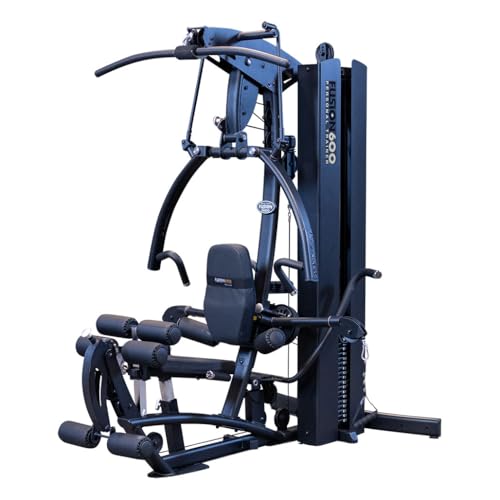
"INDUSTRY LEADER: For 30+ years, Body Solid has held the widest array of products designed to meet the demands of the ever-changing fitness industry (home gym, free weight machines, treadmills, bikes, ellipticals, weight plates, kettlebells, dumbbells, flooring, accessories and more). Our products are cutting edge and reliable and are built for Life……Your Life."
Exploring Reverse Pyramid Training

When it comes to maximizing our workout efficiency, reverse pyramid training (RPT) emerges as a compelling strategy for both strength and muscle growth. By leveraging reverse training insights, we start with our heaviest weights for the first set, progressively lightening the load for subsequent sets. This approach contrasts with the DeLorme method and allows us to recruit higher threshold motor units, enhancing strength adaptation techniques. Typically, RPT involves initiating with a heavy set of 8 reps, followed by lighter sets of 10 and 12 reps. It’s an efficient way to boost strength gains and hypertrophy while reducing the risk of injury. By using this method, we can effectively manage our load and recovery, making it suitable for both beginners and advanced trainees. For those looking to incorporate bodyweight exercises between dumbbell sets, adjustable pull-up bars offer versatile options that can complement your pyramid training routine with various grip positions and exercise variations.
Enhancing Endurance With Pyramid Sets
Although pyramid sets might seem complex at first glance, they’re actually an effective way to enhance endurance by targeting both type I and type II muscle fibers through a combination of rep ranges. Pyramid sets integrate high-rep, low-weight phases that specifically boost muscular endurance, enhancing muscle fiber recruitment and lactate tolerance. By using compound, multi-joint exercises like squats or presses, we can maximize systemic endurance. High-rep phases, often 15+ reps, fatigue slow-twitch fibers, improving our ability to clear lactate and sustain effort. These routines, involving up to 13 work sets, create metabolic stress crucial for endurance gains. Integrating pyramids with minimal rest between sets elevates cardiovascular demand, ensuring our muscles adapt to sustained efforts effectively. When performing these high-volume pyramid workouts at home, rubber coated dumbbells provide the durability and grip security needed to maintain proper form throughout extended training sessions.
Recommended Products

What’s Included:: One pair of 5, 10, 15, 20, 25, 30, 35, 40, 45, 50, 55, 60, 65, 70, 75 lb rubber coated hex dumbbells. DOES NOT INCLUDE RACK.

Targeted Quad Isolation for Superior Strength Gains - Engineered to precisely isolate and strengthen the quadriceps, this leg workout equipment helps build powerful, defined legs and improves knee joint support.

WEIGHT BENCH AND DUMBBELL SET: The XMARK Adjustable weight bench with 7 pair of hex rubber-coated dumbbells (10lb, 15 lb, 20 lb, 25lb, 30lb, 40 lb, and 50 lb), and our heavy-duty 2-tier storage rack.
Achieving Progressive Overload With Pyramids
To achieve progressive overload with pyramid sets, we need to systematically challenge our muscles by adjusting weights and repetitions with each set. Pyramid variations, such as ascending and reverse pyramids, help us achieve this by promoting progressive adaptation. In ascending pyramids, we start with lighter weights, increasing them while decreasing reps, which recruits muscle fibers from endurance to strength. Reverse pyramid sets, on the other hand, allow us to lift our heaviest weights first, reducing them in subsequent sets, which maximizes output and volume. By varying loads and repetitions, these techniques help expose our muscles to different fatigue levels, stimulating growth and avoiding plateaus. For effective overload, monitor fatigue closely and progressively increase weights with manageable increments. Similar to how weighted jump ropes increase workout intensity through added resistance, pyramid training systematically elevates the challenge to promote continuous adaptation and strength gains.
Recommended Products

Home Gym Equipment Weight Set:Includes 5, 10, 15, 20, 25, 30, 35, 40, 45, 50, 55, 60, 65, 70, 75, 80, 85, 90, 95, and 100lb dumbbell pairs, (2) of 3-tier racks and (2) of mats. You can use these solid dumbbells in a wide range of exercises, also a perfect choice for both beginners or athletes.

CONTENTS: 5lb to 75lb Urethane Dumbbell Set (15 dumbbell pair total) with 3-tier commercial dumbbell rack.

💪 Best Home Gym Equipment: Includes 5, 10, 15, 20, 25, 30, 35, 40, 45, 50, 55, 60, 65, 70, 75, 80, 85, 90, 95, and 100lb dumbbell pairs, (2) of 3-tier BLUE RACKs and (2) of MATs. You can use these solid dumbbells in a wide range of exercises, also a perfect choice for both beginners or athletes.
Time Efficiency and Focus in Pyramid Workouts
As we continue exploring the benefits of pyramid sets, let’s focus on how they enhance time efficiency and concentration in our workouts. Pyramid workouts excel in time management by reducing overall training duration. By combining multiple intensity levels in one session, we optimize volume and load, ensuring each set is effective. This approach minimizes recovery time between sets, boosting efficiency.
Mentally, pyramid training enhances focus through structured progressive intensity. We prepare for each set, improving technique and safety as we progress. This structure aids in tracking performance improvements, keeping us focused on long-term goals. The variability reduces mental fatigue, maintaining engagement and satisfaction. For those working out at home, adjustable dumbbells provide the flexible weight options needed to execute pyramid sets effectively across different fitness levels. Ultimately, pyramid workouts not only streamline our training but also sharpen our mental focus, ensuring a well-rounded fitness journey.
Variations and Techniques for Advanced Training
When it comes to taking our dumbbell training to the next level, pyramid sets offer a versatile and effective approach for advanced workouts. By employing advanced techniques like ascending and descending pyramid sets, we can strategically adjust weights and reps for optimal results. Training innovations such as combo pyramid sets, where we might pair squats with deadlifts, and variable repetition pyramids, allow us to tailor workouts to our muscle fatigue. Power pyramid sets introduce explosive movements like snatches, increasing weight for added intensity. For comprehensive muscle engagement, we can incorporate compound exercises that target multiple joints, like squats, or focus on specific areas with isolation exercises. By adjusting rest periods and progressively overloading, our training intensity and volume can be precisely controlled for superior gains. To further enhance resistance and workout intensity during dumbbell pyramid training, adjustable ankle weights ranging from 1 to 20 lbs can be incorporated to add extra challenge to lower body movements.
Recommended Products

FEATURES: Synchronized articulating functional training arms with range extending from upper ab exercises to side accessed workouts

HOME GYM: The XMark Functional Trainer Cable Machine features dual 200 lb weight stacks with 2:1 resistance ratio, 19 adjustment levels, and a super, smooth cable pulley system, that will challenge everyone in your household.

DELUXE SMITH CAGE - The Marcy Pro Deluxe Smith Cage Home Gym System is a smith machine and power rack in one. Use the ultra-smooth chrome smith machine to safely workout on your own. And use the included bar catch / safety catches to complete squats, presses, and more.
Adapting Pyramid Sets for Different Populations
Pyramid sets, a dynamic strength training method, can be effectively adapted for different populations, tailoring workouts to meet their unique needs and goals. By adapting pyramid sets, we can incorporate training modifications that ensure safety and maximize benefits. For beginners, integrating pyramid sets as a warm-up with lighter weights reduces injury risk while allowing form practice. Older adults benefit from low-impact, joint-friendly exercises with progressive resistance to maintain muscle strength. Women can enhance strength and metabolic adaptations through accessible dumbbell-based pyramid sets. In injury recovery, gradual progression and low-impact exercises support healing. High-intensity training enthusiasts can optimize metabolic stress with max effort sets. These modifications, versatile across various equipment, make pyramid sets a practical choice for diverse fitness levels. Incorporating accessories like resistance bands can further enhance pyramid training by providing variable resistance levels that complement dumbbell work across different fitness populations.
Muscle Growth Effects of Pyramid Training
Exploring the muscle growth effects of pyramid training reveals a dynamic approach that offers unique benefits while sharing similarities with traditional resistance training. Although pyramid training matches traditional methods in muscle hypertrophy, it excels in muscle adaptations by offering training variety through ascending, descending, and triangle sets. These variations keep workouts engaging, helping us avoid plateaus. While pyramid sets don’t provide superior strength gains, they support progressive overload, crucial for muscle growth, by gradually increasing weight. When total training volume is equalized, pyramid training can lead to similar increases in muscle cross-sectional area and hypertrophy mechanisms. This method is suitable for various populations, from young individuals to older adults, ensuring diverse goals—like strength, muscle growth, and endurance—are met effectively.
Safety Considerations for Pyramid Dumbbell Exercises
While pyramid dumbbell exercises can be a fantastic tool for building muscle and adding variety to our workouts, they come with specific safety considerations we shouldn’t overlook. Joint stabilization and movement control are crucial to prevent injury. A thorough warm-up, focusing on dynamic stretches, enhances joint mobility and reduces injury risk. We should also employ proper bracing techniques, engaging our core for stability during compound movements. It’s important to maintain controlled, deliberate movement patterns to minimize joint strain as we increase and decrease weights. Using supportive gear like wrist wraps can protect vulnerable joints when handling heavier weights. Additionally, mastering exercise techniques with lighter dumbbells ensures safe execution when progressing to heavier pyramid sets, preserving form and preventing fatigue-related injuries.
Monitoring Progress and Avoiding Plateaus
To effectively monitor our progress and sidestep the common pitfall of plateaus, it’s crucial to systematically track our pyramid training sessions. Progress tracking involves maintaining detailed logs of weight lifted, reps achieved, and rest times for every pyramid set. By analyzing these records, we can identify plateaus through stalled strength gains or repeated failures to hit previous targets. When progress stalls, it’s a sign that we might be facing a plateau.
To counteract this, we should periodically retest our maximum weights and adjust pyramid parameters, such as weight increments or rep ranges. Visual tools like charts help us spot trends, making plateaus or breakthroughs obvious. This data-driven approach ensures our muscles consistently face new challenges, promoting continued growth and adaptation.
Practical Tips for Successful Pyramid Training
Pyramid training can be a rewarding approach to building strength and endurance, provided we harness the right techniques and tools. Selecting appropriate dumbbell weights is crucial. We should start with moderate weights, ensuring we can complete higher-rep sets with good form. As we progress through pyramid variations—ascending, descending, diamond, or step—we’ll incrementally increase weights to align with our training goals. Structuring sets efficiently involves using strategies like ascending pyramids, starting with light weights and high reps, then reducing reps as weights increase. To manage fatigue, let’s scale intensity by adjusting weights or reps, while maintaining consistent rest intervals of 30 to 60 seconds. Focusing on compound exercises and proper technique will enhance safety and maximize our gains.
Frequently Asked Questions
How Should I Choose the Starting Weight for Pyramid Sets?
We should choose a starting weight that feels like lifting the world, yet allows perfect form—usually 60% of our 1RM. Let’s focus on weight progression strategies by increasing 5-10% per set for optimal gains.
Can Pyramid Sets Be Integrated With Other Workout Methods?
Yes, they can! We can blend pyramid sets with circuit training and superset integration for a dynamic workout. This approach maximizes time efficiency, enhances metabolic conditioning, and provides varied stimuli for improved strength and endurance.
How Do I Adjust Pyramid Sets for Time-Constrained Sessions?
Coincidentally, when we’re pressed for time, we can adjust pyramid sets by focusing on key exercises, managing time with shorter rest periods, and maintaining workout intensity through increased load or time under tension. Let’s maximize every moment!
What Is the Ideal Frequency for Pyramid Set Workouts?
We suggest incorporating pyramid sets 1–2 times per week, balancing workout intensity with muscle recovery. This frequency allows for adaptation without risking overtraining. Monitor progress and adjust based on recovery and performance feedback.
Can Pyramid Sets Aid in Rehabilitation From Injury?
Yes, they can. Pyramid sets offer rehabilitation benefits, enhancing gradual progression, promoting injury prevention, and supporting movement proficiency. They aid in controlled exertion, improving motor coordination, and ensuring patient compliance through adaptable, progressive overload tailored to recovery needs.