As an Amazon Associate, we earn from qualifying purchases. Some links on this site are affiliate links at no extra cost to you. Our recommendations are based on thorough research and editorial judgment.


How to Modify Exercises for Different Fitness Levels

We can modify exercises for different fitness levels by adjusting reps, sets, and tempo. Beginners benefit from longer tempos and higher reps, while advanced athletes use explosive tempos with fewer reps. We switch exercises to prevent adaptive resistance and alter body positioning to target specific muscles. By integrating movement progressions and regressions, tailored modifications support individual abilities, increasing difficulty safely. Explore diverse techniques, and you’re bound to discover more insights and practical tips.
Key Takeaways
- Adjust reps, sets, and tempo to match beginner, intermediate, and advanced fitness levels for effective progression.
- Implement progression and regression techniques to increase or decrease exercise difficulty based on individual capacity.
- Utilize versatile equipment like resistance bands and adjustable dumbbells to accommodate varying strength and endurance levels.
- Modify body positioning and leverage to target specific muscle groups and increase or decrease exercise intensity.
- Incorporate movement variations and combinations to maintain engagement and prevent adaptive resistance across fitness levels.
Exercise Variation Strategies
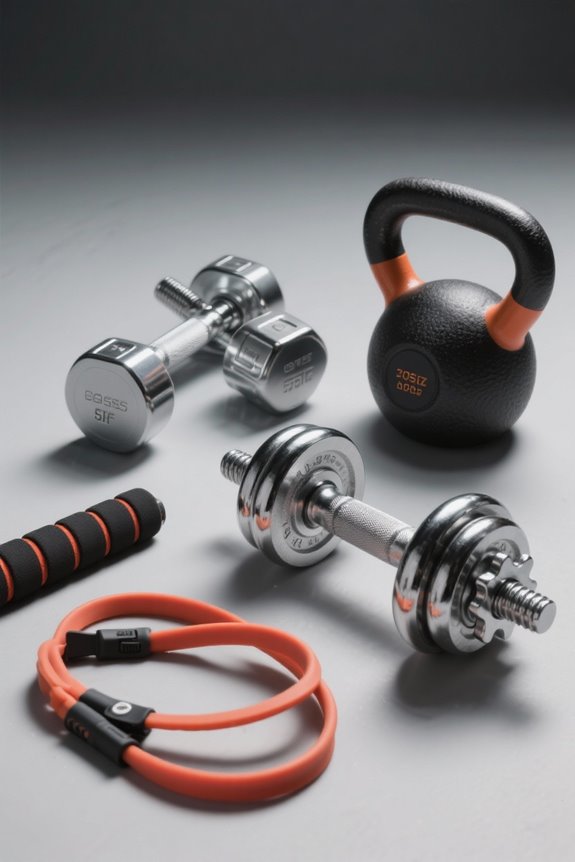
When it comes to exercise variation strategies, there are several effective methods to ensure workouts remain engaging and beneficial for all fitness levels. By integrating adaptation methods, we can tailor exercises to meet individual needs, enhancing both motivation and performance. For instance, switching exercises regularly prevents adaptive resistance, a critical engagement strategy that keeps us progressing. This variation activates different muscles, promoting comprehensive development and reducing injury risk. Additionally, targeting various muscle compartments through diverse exercises supports regional hypertrophy, crucial for muscle growth. Preventing stagnation while achieving specific fitness goals, like strength or endurance, requires a strategic approach. By employing these adaptation methods, we’re able to maintain workout dynamism, ensuring each session is both challenging and rewarding for everyone involved. Incorporating versatile equipment like slam balls can further enhance workout variety by providing multiple weight options that accommodate both beginners starting with lighter loads and advanced users progressing to heavier resistance.
Rep, Set, and Tempo Adjustments

Adjusting reps, sets, and tempo is crucial for tailoring workouts to different fitness levels, ensuring each session is optimized for progress. For beginners, we often recommend a slower rep tempo, such as a 3-4 second eccentric phase, and higher rep ranges (10–12 reps) with fewer sets (1–2) to build muscle control and endurance. Intermediates can benefit from moderate tempos and increased set duration (3–4 sets), targeting hypertrophy. Advanced individuals might use explosive tempos and fewer reps (1–6) with heavier loads for power. By managing set duration and tempo, we can control time under tension (TUT), which is vital for achieving specific goals like hypertrophy or strength. This approach ensures workouts are challenging yet safe, promoting consistent progress. Resistance bands offer an excellent alternative for implementing these rep and set modifications, as they provide adjustable resistance levels that can accommodate beginners starting with light tension and progress through to advanced users stacking multiple bands for increased challenge.
Movement Progressions and Regressions

Movement progressions and regressions are essential tools in our fitness toolkit, allowing us to tailor exercises to match an individual’s current capabilities and goals. Progression techniques increase difficulty, complexity, or load, driving adaptation and improvement, while regression strategies decrease these factors to reduce injury risk and support recovery. By adjusting exercises to match fitness levels, we can optimize training while managing safety. It’s crucial to remember that progressions and regressions aren’t linear—there are multiple pathways for each movement, customized to individual needs and weaknesses. We should progress when proficiency, strength, and stability are demonstrated, and regress during recovery or when form breaks down. Using these modifications systematically promotes inclusivity, enabling individuals at different levels to train effectively together. When implementing exercise modifications, proper elbow support equipment can provide additional stability and compression, particularly during upper body movements where joint reinforcement may be needed for injury prevention or recovery.
Recommended Products

✅ Available in sizes XS (Bicep: 13.5", Elbow: 11-12.75"), S (Bicep: 15.5-18", Elbow: 12.75-14.5"), M (Bicep: 18-19.5", Elbow: 14.5-15.25"), M+ (Bicep: 19.5-21", Elbow: 15.25-16.25"), L (Bicep: 21-24", Elbow: 16.25-18") to ensure a perfect fit for a variety of bicep and elbow circumferences.

Garment Circumference Measurements: Arm Garment Cover Size: Arm Garment with shoulder & Strap Axilla 20" Bicep 19" Elbow 17" Wrist 14"

Chest EN1621-3 Level 1
Body Positioning and Lever Modifications
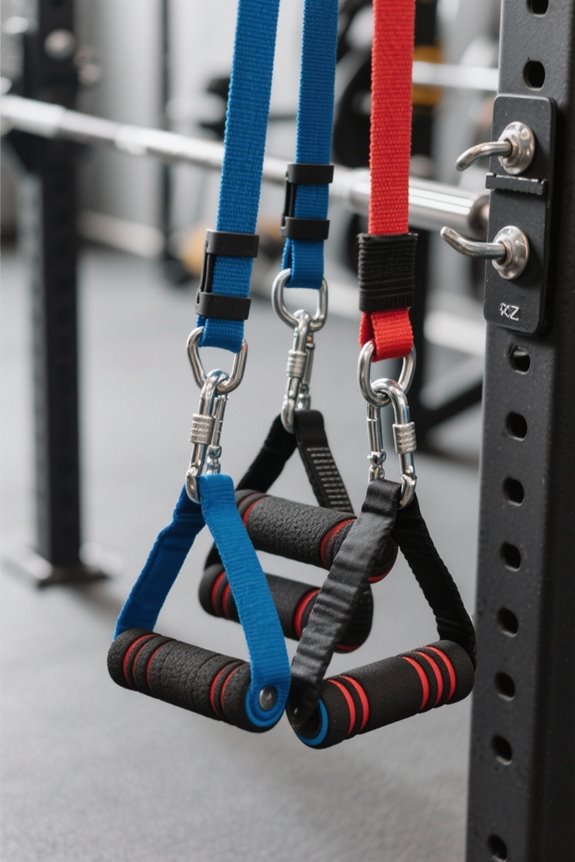
Body positioning and lever modifications play a crucial role in tailoring exercises to fit our individual fitness levels, making workouts both effective and safe. By adjusting body angles, we can target specific muscle groups, such as changing the incline on a bench press to engage the upper or lower chest. Elevating body parts or altering leverage adjustments can increase exercise difficulty by requiring more strength and stabilization. Additionally, modifying leverage, like adjusting the lever length in a chest press, alters the mechanical advantage, affecting the effort needed. It’s essential to consider weight distribution and lever stability to ensure proper muscle engagement and injury prevention. Understanding these modifications allows us to enhance our workouts, optimizing both efficiency and effectiveness. Similar to how extendable handles in heavy duty rollers can be adjusted from 17 to 27 inches to provide versatility and reach different areas effectively, exercise equipment lever arms can be modified to accommodate various user heights and strength levels.
Training Structure and Format Adaptation

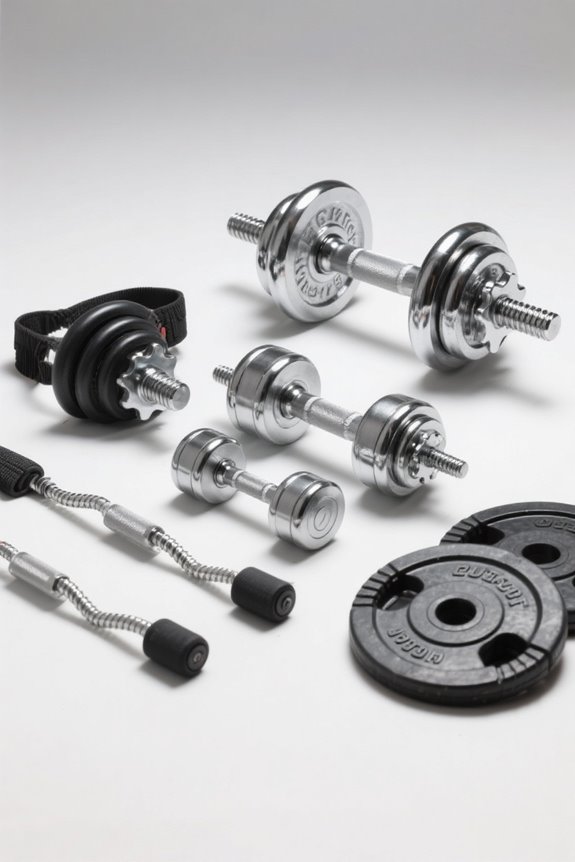
When we talk about training structure and format adaptation, it’s essential to recognize how flexibility in our workout plans can cater to various fitness levels, making exercise both accessible and challenging. By incorporating circuit training, we can enhance both muscular endurance and cardiovascular health, ensuring fitness inclusion. This method combines strength and aerobic exercises with minimal rest, tailored for different fitness tiers. We should regularly assess and adjust workout routines, promoting training accessibility as participants progress. Techniques like altering exercise intensity, using multi-modal tools such as resistance bands, and scheduling varied workouts prevent plateaus and maintain engagement. Our goal is to create structured sessions that balance strength and endurance, accommodating a range of abilities while fostering inclusive fitness environments. For home gym setups, incorporating rubber coated dumbbells with weight ranges from 5 to 50 pounds allows for progressive resistance training that can be easily modified for beginners through advanced users.
Equipment and Load Management
While navigating the world of fitness, equipment and load management play pivotal roles in tailoring workouts to our specific needs and goals. Our journey begins with careful equipment selection. Plate-loaded equipment offers load customization, allowing us to adjust weights precisely, while selectorized machines provide ease of use with their pin-selection method. Cable machines stand out by offering adjustable resistance suitable for all fitness levels. For those focusing on specific muscles, weight machines offer safety and consistency. Resistance loop bands provide exceptional versatility for home workouts, accommodating various fitness routines and skill levels from beginners to advanced users.
In terms of load management, the acute:chronic workload ratio, ideally between 0.8-1.3, helps us balance training and avoid injuries. Progressive overload ensures adaptation by gradually increasing the load, while load cycling optimizes recovery and performance. By customizing our load, we effectively enhance our fitness journey.
Recommended Products

SMITH MACHINE FUNCTIONAL TRAINER: It’s the best of both worlds, free weights and functional trainer all in one, with 6 total pulleys, pull up bar, power rack, and free weight smith bar. Fully Loaded option includes the SCS Weight Bench, Preacher Curl Attachment, and Leg Extension / Leg Curl Attachment

Smith Machine with 353lbs Weight Stacks Power Cage Squat Rack Dual Cable Crossover Machine

All-in-One Gym Machine: The Hercules Pro combines a commercial smith machine, functional trainer, Adjustable bench, Low Row, Dip Station, Chin up/ Pull up Station, Core Trainer, Lat Pulldown, Jammer Arms, Vertical Leg Press and Arm Curl into a single, comprehensive trainer. It facilitates 24/7 continuous workouts for multiple users.
Customizing Workouts for Beginners
Customizing workouts for beginners is all about laying a solid foundation, and understanding the key principles is essential. Our approach to beginner workouts emphasizes form mastery and muscle engagement. By starting with low to moderate intensity and focusing on technique, we ensure injury prevention and foster long-term success. Multi-joint exercises, like squats and push-ups, are ideal for engaging multiple muscles efficiently.
We recommend a training frequency of 2–3 sessions per muscle group weekly, promoting workout consistency and allowing for essential recovery strategies. Beginners should aim for higher repetitions, around 8–12 reps, with lighter weights to build endurance. By prioritizing controlled tempos and avoiding excessive volume, we help beginners progress safely, encouraging steady improvements and confidence in their fitness journey. For home workouts, beginners can benefit from adjustable dumbbells that start at lighter weights like 5-10 pounds and allow for gradual progression as strength improves.
Recommended Products

Home Gym Equipment Weight Set:Includes 5, 10, 15, 20, 25, 30, 35, 40, 45, 50, 55, 60, 65, 70, 75, 80, 85, 90, 95, and 100lb dumbbell pairs, (2) of 3-tier racks and (2) of mats. You can use these solid dumbbells in a wide range of exercises, also a perfect choice for both beginners or athletes.

💪 Best Home Gym Equipment: Includes 5, 10, 15, 20, 25, 30, 35, 40, 45, 50, 55, 60, 65, 70, 75, 80, 85, 90, 95, and 100lb dumbbell pairs, (2) of 3-tier BLUE RACKs and (2) of MATs. You can use these solid dumbbells in a wide range of exercises, also a perfect choice for both beginners or athletes.

What's included: 5, 10, 15, 20, 25, 30, 35, 40, 45, 50, 55, 60, 65, 70, 75 lb pairs of urethane coated dumbbells and two 3-tiered racks
Tailoring Exercises for Intermediate Levels
Shifting our focus from the foundational approach for beginners, we’re now honing in on tailoring exercises for intermediate fitness levels, where variety and progression are key. By integrating exercise combinations, we can maintain interest and prevent plateaus. For resistance training, let’s incorporate light weights and resistance bands for exercises like tricep extensions. Increasing intensity levels is crucial, so adding dynamic movements such as lunge jumps or box jumps can enhance power and agility. Cardiovascular integration is vital; combining strength training with aerobic exercises boosts cardiovascular fitness. Circuit training, alternating exercises with minimal rest, increases efficiency and calorie burn. Finally, equipment like medicine balls and TRX systems can support progressive overload, ensuring a balanced and challenging workout regimen. For intermediate users, resistance bands with levels ranging from 8 to 50 pounds provide the perfect balance of challenge and versatility for progressive strength training.
Recommended Products

SHADE COVERAGE: 9 ft octagonal canopy provides up to 57 sq ft of shade for dining or lounge areas

FULL BODY HOME GYM EQUIPMENT: Gorilla Bow Travel All-in-One Resistance Trainer System has revolutionized personal fitness, it’s designed for full-body training workouts anywhere, you can Train chest, back, arms, legs and core at home, outdoors, or while traveling, no gym required

IDEAL FIT & QUANTITY: Get value and convenience with our pack of 50 disposable dog diaper. 8 packs total 400 counts. Specifically designed for male dogs weighing up to 50 lbs, these diapers offer a snug, comfortable fit for a 13-23 inch waist, ensuring a perfect match for your furry friend's needs and your peace of mind.
Advanced Exercise Modifications
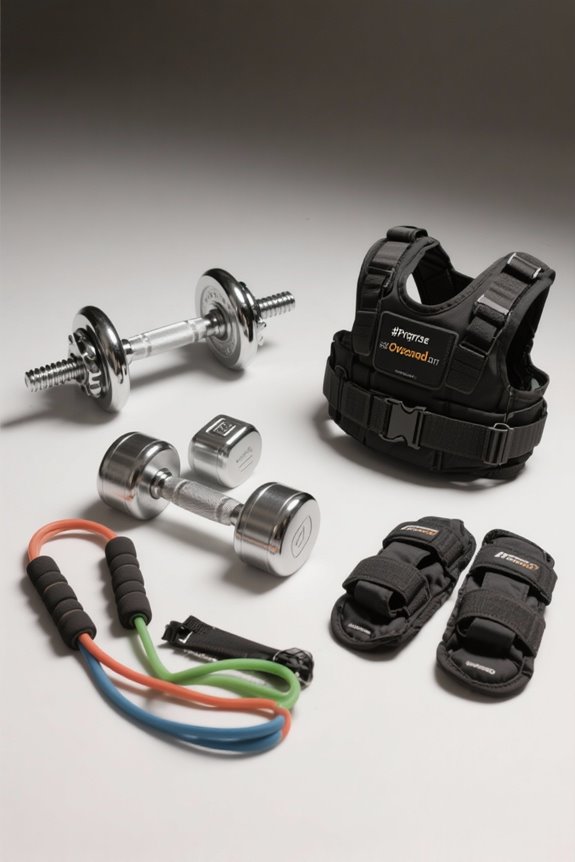
As we delve into advanced exercise modifications, it’s essential to focus on techniques that push our limits, boosting strength, power, and endurance. Advanced pushup options like the Spiderman Pushup elevate core activation, while the Archer Pushup targets unilateral strength, correcting imbalances. Plyometric Pushups increase power output with an explosive push-off, engaging fast-twitch fibers. For upper chest emphasis, the Decline Pushup shifts focus to the clavicular head of the pectorals. Meanwhile, strength training techniques such as Contrast Loading alternate heavy and lighter sets to enhance neuromascular efficiency. Complex Training pairs heavy lifts with explosive movements, leveraging post-activation potentiation. To further intensify these advanced movements, consider incorporating adjustable weighted vests that can provide customizable resistance from 4 to 32 pounds, allowing for progressive overload while maintaining proper form. Incorporating these advanced modifications, we not only challenge our bodies but also refine our technique, achieving greater fitness levels.
Recommended Products

HIGHLY FLEXIABLE AND DURABLE TO USE: Each weighted vest is either 18lbs , 28lbs , 35lbs, 45lbs, 65lbs, 80lbs or 100lbs with removable weights to scale to your training levels and goals. Specifically engineered for performance and comfort during any workout. Our compact design allows extreme weight with less bulkiness ensuring no restrictions in your range of motion
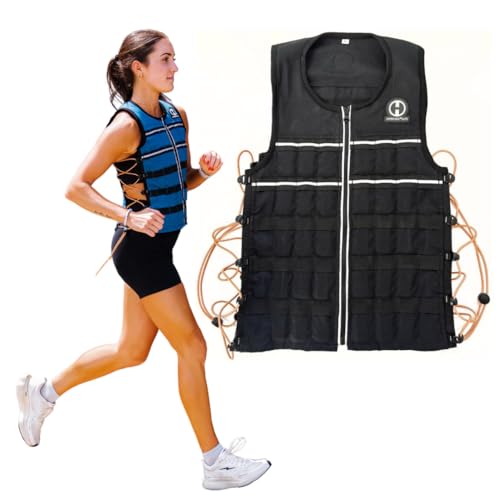
MOST COMFORTABLE highest quality fully adjustable metal weight vest includes 10 to 20 pounds of small thin steel weights flexible unlike plate carrier tactical vestzips on and off quickly for muscle building calorie burning workout at home or gym

CONSTRUCTION - Made from reinforced nylon and polyester. Dimensions vary depending on size selected.
Safety Considerations for Exercise Modifications
Venturing into advanced exercise modifications can be exhilarating, but it’s vital to ground ourselves in safety considerations to ensure a sustainable fitness journey. Recognizing individual limits is key—pain awareness and fatigue signals are our body’s way of communicating needs. If an exercise causes discomfort, it’s crucial to modify or halt to prevent injury. We should monitor form and alignment diligently to avoid overuse injuries and joint stress. Additionally, creating a safe workout space with proper lighting and ventilation reduces risks of falls and collisions. Equipment should be well-maintained, and appropriate footwear is essential for stability. Gradual progression, by adjusting exercise intensity systematically no more than 5-10% weekly, allows our bodies to adapt without undue stress. When organizing your home gym equipment, investing in quality storage solutions with anti-slip pads helps prevent accidents and keeps weights securely in place during workouts.
Benefits of Exercise Modifications Across Fitness Levels
When we consider the benefits of exercise modifications across fitness levels, it’s clear that they play a pivotal role in enhancing both physical performance and overall well-being. Exercise accessibility is crucial, allowing individuals to build strength, flexibility, and endurance at their own pace. Modifications help in reducing injury risk by promoting proper technique and minimizing joint strain. They also increase motivation, as varied routines and achievable goals keep us engaged and committed to our fitness journey.
Moreover, the mental health benefits are significant. Modified exercises can reduce anxiety and improve mood, self-esteem, and cognitive function. By promoting inclusive fitness environments, we ensure everyone can participate, regardless of their starting point. Tailored workouts create a sense of community and support, enhancing overall mental and physical health.
Frequently Asked Questions
How Can I Modify Exercises for Injury Recovery?
We can transform our injury recovery journey by embracing rehabilitation protocols that work wonders. Let’s start with gentle movements, ensuring gradual progression to avoid setbacks. We’ll conquer this challenge, emerging stronger and more resilient than ever before!
What Are Some Common Mistakes in Exercise Modifications?
We often overlook subtle technique precision, leading to ineffective modifications. Overtraining risks arise when we don’t adjust intensity appropriately. Let’s ensure we’re mindful of these factors to enhance safety and effectiveness in our exercise routines.
How Do Modifications Affect Muscle Activation?
Modifications are like tuning a musical instrument; they enhance muscle engagement and ensure harmony in our adaptation strategies. By adjusting exercises, we fine-tune our body’s response, optimizing activation and growth while accommodating various fitness levels.
Are There Specific Modifications for Older Adults?
Yes, we can incorporate specific modifications for older adults by focusing on balance exercises and low impact activities. Using supports and adapting movements to seated positions ensures safety while enhancing strength and functional abilities.
How Can I Track Progress With Modified Exercises?
We can track progress with modified exercises by maintaining an exercise journal. Let’s record workouts, noting changes in weight, reps, and how we feel. This helps us see improvements and adjust our routines as needed.