As an Amazon Associate, we earn from qualifying purchases. Some links on this site are affiliate links at no extra cost to you. Our recommendations are based on thorough research and editorial judgment.


How to Stabilize Your Core on an Adjustable Bench

To stabilize our core on an adjustable bench, align our spine while distributing weight evenly across hips, shoulders, and feet. Adjust angles strategically; incline or decline positions heighten core engagement. Secure footing with floor contact and grip bench edges for balance. Engage core by tightening abdominal and lower back muscles, breathe deeply to activate deeper stabilizers, and mind form to avoid compensatory movements. Enhanced performance and safety await with these techniques as exploration continues.
Key Takeaways
- Maintain a neutral spine and align your hips, shoulders, and feet evenly for proper weight distribution.
- Engage your core by tightening abdominal and lower back muscles throughout the exercise.
- Adjust bench angles to increase core engagement, with incline and decline positions demanding more stabilization.
- Use diaphragmatic breathing and focus on exhalation to activate deep core muscles and prevent compensatory movements.
- Incorporate stability accessories like foot straps or high-density foam pads for enhanced grip and comfort.
Importance of Core Stability on an Adjustable Bench
When it comes to enhancing our core stability, using an adjustable bench can be a game-changer. By incorporating dynamic movement and focusing on core balance, we can activate deeper core stabilizers, not just the superficial abdominals. This engagement supports spinal integrity, crucial for both exercise and daily activities. The adjustable bench allows us to perform inclined or declined movements, increasing the range of motion and promoting greater core muscle recruitment.
With the ability to adjust bench angles, we target various portions of the core, including the rectus abdominis, obliques, and transverse abdominis. This active core stabilization not only improves muscular endurance and strength but also lays the foundation for functional movement and helps in preventing injuries. Modern adjustable benches offer multiple backrest adjustments that allow for precise positioning to maximize core engagement across different exercise variations.
Proper Body Positioning and Setup

Proper body positioning and setup are foundational to effectively stabilizing your core on an adjustable bench. First, let’s ensure our bench setup aligns with our exercise goals. Adjustable benches offer angles from flat to steep inclines or declines, with a 30-45 degree angle being ideal for exercises like decline sit-ups. It’s crucial to maintain a neutral spine, keeping natural curves intact. We should align our hips, shoulders, and feet properly relative to the bench for even weight distribution, ensuring stability. Positioning techniques include placing feet flat on the floor or under foot pads to anchor down during movements, while slightly bending the knees reduces lower back strain. Let’s grip the bench edges securely, aiding upper body support and maintaining balance. Quality benches with commercial-grade steel construction provide the durability and stability needed for safe core training workouts.
Recommended Products

[All-in-One Training Hub] Replaces a power rack, cable machine, and Smith system. The 3061B is the ultimate space-saving solution for users seeking a commercial-grade gym experience in a compact home footprint.

Canadian Brand Quality: The Altas Strength 3059 Smith Machine is crafted from 2.5mm thick steel, delivering unmatched durability and stability for wobble-free workouts, ensuring safety and reliability in your home gym.

L07 is constructed of commercial steel for structural stability and durability. Dimensions - The footprint is 48 inches long x 82.7 inches wide x 84.6 to 88.5 inches high. Unit can be used with 1-inch and 2-inch barbell plates.
Activation of Core Muscles During Exercises

Ever wondered how to maximize your core activation during exercises? Let’s explore the role of core muscle activation across various exercise modalities. When we engage in free-weight exercises, muscles like the rectus abdominis, external obliques, and erector spinae show significant electromyographic (EMG) activation. These exercises demand more from our core, enhancing stability and control. Interestingly, Swiss ball exercises can match or even exceed traditional moves like crunches in activating core muscles, notably during roll-outs and pikes. However, the internal oblique shines during core stability exercises, playing a pivotal role in maintaining balance. Moreover, as our experience level increases, so does our ability to recruit and sustain strong core contractions, underscoring the importance of consistent practice in optimizing core engagement. Just as proper ergonomic fit is crucial for boxing gloves to promote natural hand positioning and comfort, maintaining optimal body alignment on an adjustable bench ensures maximum core engagement and injury prevention during strength training exercises.
Adjustable Bench Angle and Impact on Core Stability
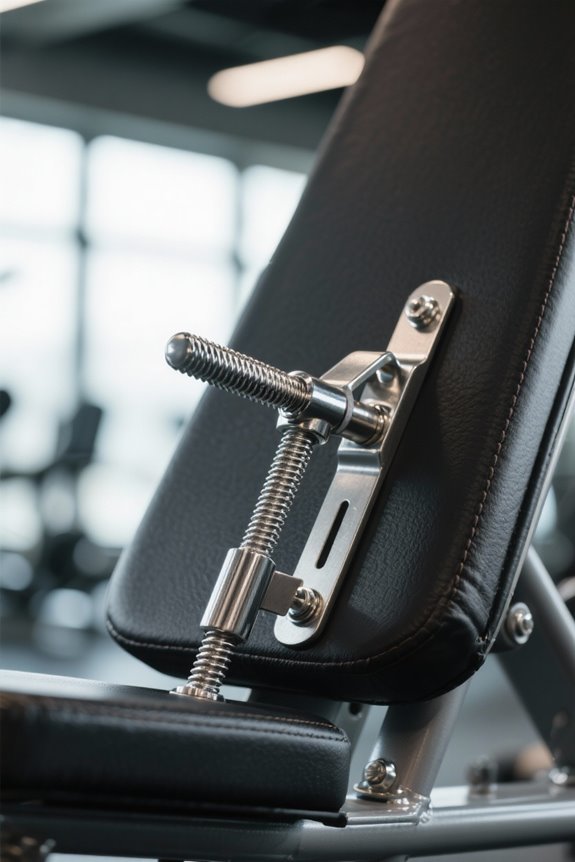
As we shift our focus from core muscle activation during exercises to understanding the impact of adjustable bench angles on core stability, there’s much to consider. Bench angle variations, such as flat, incline, and decline, directly influence how we engage our core. A flat bench aligns our body with gravity, requiring minimal core engagement to maintain spinal neutrality. However, as we increase the angle to an incline (15°–45°), our posture changes, requiring greater core engagement strategies to prevent arching or slipping. Decline positions also demand significant core stabilization to avoid sliding and lumbar stress. While the research is limited, biomechanics principles suggest increased core demand with greater incline or decline angles. Proper technique enhances stability, ensuring our core remains engaged throughout various exercises. Just as yoga practitioners use supportive equipment to maintain proper alignment and prevent injuries during poses, bench users can benefit from similar stability principles when adjusting angles.
Recommended Products

【2000LB Heavy-Duty Power Rack】Built from heavy-gauge 2” × 2” steel uprights, this power cage / power rack for home gym delivers exceptional strength and stability, supporting up to 2000LB. The smooth linear bearing system with bottom spring shock absorption reduces impact and joint stress, while 16 precision 1'' adjustment holes allow versatile positioning for all exercises. Ideal for use with a smith machine home gym or as a standalone squat rack for home gym.
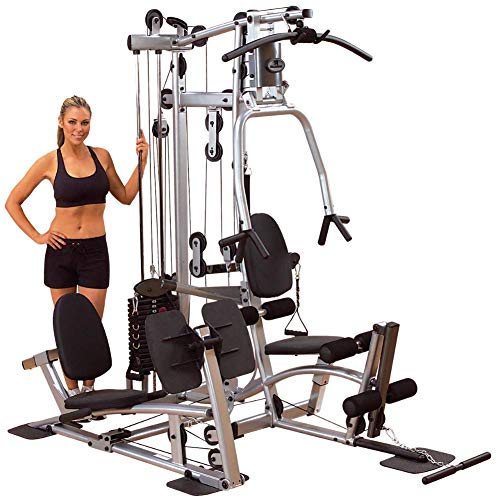
INDUSTRY LEADER: For 30+ years, Body Solid has held the widest array of products designed to meet the demands of the ever-changing fitness industry (home gym, free weight machines, treadmills, bikes, ellipticals, weight plates, kettlebells, dumbbells, flooring, accessories and more). Our products are cutting edge and reliable and are built for Life……Your Life.

[8-in-1 Home Gym]: Mikolo K6 power cage combines a power rack, cable crossover machine, lat pulldown station, 2:1 ratio low row station (includes footplate attachment), chin-up station, dip station, core trainer, and resistance station — all in one unit for your home gym. With the K6 power cage, you can perform unlimited exercises in a limited space.
Core-Specific Exercises Using an Adjustable Bench

Exploring core-specific exercises using an adjustable bench offers a versatile approach to strengthening our midsection. By incorporating Knee Tucks and Weighted Sit Ups, we can effectively target both our lower and upper abs, enhancing overall core stabilization. Using a Medicine Ball during resistance training, such as in Medicine Ball Passes, boosts oblique strength and dynamic stability. Plank Variations, like the Copenhagen Plank, further engage our obliques and lateral stabilizers, offering a comprehensive workout. Dynamic Crunch exercises on the bench, including Jackknife and Decline Sit-Ups, amplify intensity, making them perfect for resistance training. These exercises, supported by the adjustable bench, ensure our core is not only strengthened but also stabilized, providing a solid foundation for physical fitness. For additional core stability challenges, incorporating balance balls can enhance coordination and provide unstable surface training that further develops deep core muscles.
Recommended Products

All-in-One Gym Machine: The Hercules Pro combines a commercial smith machine, functional trainer, Adjustable bench, Low Row, Dip Station, Chin up/ Pull up Station, Core Trainer, Lat Pulldown, Jammer Arms, Vertical Leg Press and Arm Curl into a single, comprehensive trainer. It facilitates 24/7 continuous workouts for multiple users.

All-in-One Workout Station: This innovative training system combines arm and leg stations, providing a comprehensive workout experience that targets different muscle groups. Say goodbye to the hassle of switching between various gym equipment, as this machine offers versatility and convenience in a single package.
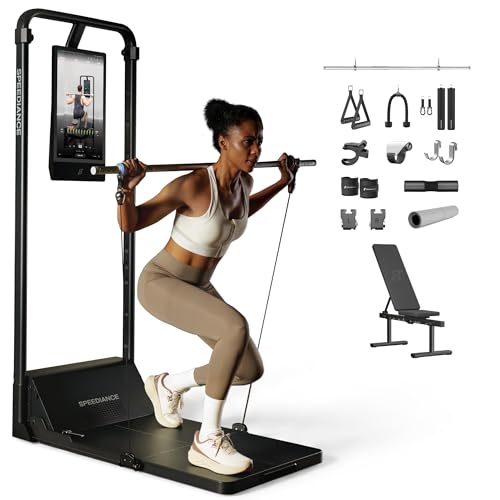
Full-Body Strength Training: The Speediance Gym Monster 2 combines a power cage, Smith machine, squat rack, bench rack, cable machine, and pulley system into one compact home gym for versatile strength training and full-body workouts.
Tips for Increasing Core Stability on the Bench
When it comes to increasing core stability on the bench, there are several key techniques we can incorporate to ensure we’re getting the most out of our workouts. First, maintaining proper body alignment is essential for bench safety. Our feet should be flat or secured, with a neutral spine enhancing stability. Engaging our core by tightening the abdominal and lower back muscles provides foundational support. For an added stability challenge, we can adjust the bench angle—incline, decline, or flat—to target different muscles. Slow, controlled movements help reduce injury risk while promoting muscle engagement. Additionally, proper foot positioning, like placing feet on the floor or using footrests, anchors us during exercises. Finally, using accessories like dumbbells or medicine balls adds resistance, increasing core engagement. Incorporating adjustable dumbbells with quick-change weight systems allows for seamless transitions between different resistance levels during your core stability exercises without interrupting your workout flow.
Recommended Products

All-In-One Strength Training Machine: This versatile equipment combines a power rack, functional trainer, Smith machine, dip station, chin-up station, core trainer, low row, and leg press into one compact unit, offering a seamless and comfortable workout experience with easy transitions between exercises.

Your Perfect Home Workout Equipment: Tone and strengthen your back, core, chest and legs with the Powertec Fitness Multifunctional Workout Bench! This revolutionary fitness equipment elevates your training routine to new heights for amazing results.

[8-in-1 Home Gym]: Mikolo K6 power cage combines a power rack, cable crossover machine, lat pulldown station, 2:1 ratio low row station (includes footplate attachment), chin-up station, dip station, core trainer, and resistance station — all in one unit for your home gym. With the K6 power cage, you can perform unlimited exercises in a limited space.
Benefits of Core Engagement for Pressing Exercises
Engaging our core during pressing exercises offers a multitude of benefits that extend beyond just improved strength. When we activate our core, it acts as a natural corset, supporting our spine and preventing injuries. This engagement ensures our back remains aligned, minimizing the risk of hyperextension during heavy lifts. Moreover, core stability enhances force production, allowing us to lift heavier loads with better technique. By preventing energy leakage, core engagement maximizes power transfer from our lower body to our upper body, boosting our overall pressing efficiency. It also helps maintain proper posture, supporting balanced muscle activation and reducing fatigue. Finally, core engagement during these exercises can enhance cardiovascular and metabolic benefits, promoting better health outcomes. For those looking to enhance their core training further, incorporating equipment like ab mats can provide additional lower back support and help isolate core muscles more effectively during supplementary abdominal exercises.
Enhancing Performance in Leg Exercises
While enhancing performance in leg exercises, focusing on core stability is key to unlocking our full potential during workouts. Integrating core strength into leg exercise variations like squats and lunges ensures we maintain a neutral spine and engage abdominal muscles effectively. Using an adjustable bench, we can modify the incline or decline settings to target specific muscle groups, enhancing stability and form. Exercises such as the trap bar split squat and Zercher split squat demand significant core engagement, helping reduce lower back strain. Additionally, multi-planar movements like banded standing hip abduction enhance lateral stability and balance. Incorporating core-specific exercises, like planks and bird dogs, further strengthens our core, allowing us to perform dynamic leg exercises with improved control and reduced injury risk. For athletes experiencing wrist discomfort during support movements, weight lifting straps can provide additional stability and reduce strain on the forearms during intense training sessions.
Breathing Techniques for Core Engagement
As we aim to improve our leg workouts, understanding the role of breathing techniques in core engagement can significantly enhance our performance. Effective breath control, through diaphragmatic engagement, is crucial for activating the deep abdominal muscles, including the transverse abdominis and pelvic floor. These stability techniques ensure core coordination and spine alignment on an adjustable bench. By focusing on a smooth breathing rhythm, we prevent over-relying on superficial muscles, allowing for better movement. During exhalation, we should emphasize abdominal activation, drawing the muscles inward, enhancing core stability. Additionally, integrating pelvic floor engagement with each exhalation creates a comprehensive core brace. Let’s remember, rushing our breath or over-bracing can undermine stability, so maintaining a controlled rhythm is key for optimal performance. Using an exercise mat with non-slip surfaces beneath your adjustable bench can provide additional stability and safety during dynamic core movements.
Avoiding Compensatory Movements
When it comes to avoiding compensatory movements in core exercises, our focus should be on maintaining proper form and technique to ensure that we’re truly engaging the core muscles. Recognizing compensatory patterns, like excessive neck flexion during crunches or lower back hyperextension in decline sit-ups, is essential. We should emphasize muscle awareness to prevent these patterns, relying on cues like “ribs down, pelvis neutral” to promote abdominal engagement. By maintaining a neutral spine and initiating movement with core contraction, we can reduce unwanted compensations. It’s crucial to isolate core muscles by controlling movement amplitude, limiting reliance on other muscle groups. Assessing our form through video or mirror feedback helps identify and correct compensatory movements, ensuring effective core stabilization. Quality decline benches with thick padding and ergonomic designs provide the necessary support to maintain proper positioning throughout your workout, reducing the likelihood of compensatory movements that can compromise form.
Using Bench Accessories for Additional Stability
Having mastered the art of avoiding compensatory movements, let’s now harness the power of bench accessories to bolster our core stability. Using bench strap benefits, we can secure our feet with foot straps or ankle hooks to prevent slipping, ensuring our core remains the focus. Adjustable straps accommodate varying foot sizes, providing a personalized fit. Attachment types like leg stabilizers anchor our lower body, enhancing overall bench stability and reducing the risk of injury. For added comfort, high-density foam pads and non-slip textured covers enhance grip, minimizing body shifts. Quick-install attachments, featuring quick-pull pins and modular designs, allow us to tailor our setup for specific exercises. By integrating these accessories, we ensure a stable, safe, and effective core workout.
Recommended Products

L04 is constructed of commercial steel for structural stability and durability. Dimensions - The footprint is 45.27 inches long x 52.87 inches wide x 85.59 inches high. Unit can be used with 1-inch and 2-inch barbell plates.

RATIO 1:1 308LBS STEEL WEIGHT STACKS: DONOW smith machine is built for long-lasting, intensive use. It includes 308lb STEEL weight stacks. Two weight pegs let you organize weights on the machine for easy accessibility. With the ratio 1:1, you can get max 308 resistance for your workout.

【Multi-Functional 5-Piece Party Bar Set】This patio bar set includes a table with 4 swivel bar stools, creating a complete setup for entertaining. Perfect for backyard drinks, poolside serving, outdoor dining prep, or home entertainment, the set features a 3-tier storage system keeping beverages, glassware, plates, ice buckets, and party essentials organized. With 14" clearance on each shelf, tall bottles and bulky items stay visible and accessible, letting guests serve and entertain effortlessly
Gradually Increasing Exercise Difficulty
To effectively improve our core stability, we must gradually increase the difficulty of our exercises on an adjustable bench, ensuring steady progress without risking injury. By applying progressive overload, we can stimulate muscle adaptation. Start with bodyweight exercises, then incorporate weights like dumbbells or resistance bands. Adjust the bench angle from flat to incline to decline, targeting different core muscles. Exercise sequencing is key—begin with foundational moves like incline crunches, then progress to dynamic ones like twisting crunches. To enhance core strength, increase the load on decline sit-ups or incline crunches. Integrate slower, controlled reps to boost time under tension. Avoid rapid jumps in difficulty, as they can lead to injury and diminish core engagement.
Prioritizing Control and Muscle Engagement
As we progress to prioritizing control and muscle engagement, it’s vital to remember that enhancing core stability isn’t just about increasing difficulty—it’s about mastering the art of precision and focus. Maintaining a neutral spine on the bench maximizes core engagement by activating stabilizers. We should employ slow, controlled movements to boost muscle awareness and fiber recruitment. Avoiding momentum, like rapid motions, ensures core muscles bear the load. Trunk rotations, such as decline twisting sit-ups, effectively target obliques and the transverse abdominis. Align elbows under shoulders and engage the glutes for balanced positioning and optimal muscle engagement. Adjust bench angles to challenge different muscle groups, enhancing core control. Let’s prioritize these techniques to refine our core stability on the adjustable bench.
Frequently Asked Questions
How Do I Choose the Right Adjustable Bench for Core Stability?
We should choose adjustable bench types prioritizing durable construction and versatile angles for core exercise techniques. Look for secure adjustments, comfortable padding, and a sturdy frame to enhance stability and support effective core engagement during workouts.
What Are the Common Mistakes to Avoid on an Adjustable Bench?
Imagine our bodies as a well-oiled machine; mistakes to avoid include poor bench setup, flaring elbows, and neglecting core engagement. Let’s ensure our mechanics are precise for a smoother, safer lift with optimal force transfer and stability.
How Often Should I Perform Core Exercises on the Bench?
We should aim for core workouts on a bench 2-4 times weekly, adjusting based on our recovery. Let’s incorporate workout variety to engage different muscles, ensuring we don’t overtrain while maximizing core frequency benefits.
Can Beginners Use an Adjustable Bench for Core Workouts?
Absolutely, beginners can harness adjustable benches for core workouts. Let’s dive into the ocean of benefits together, focusing on beginner modifications and safe practices, ensuring every exercise is both effective and injury-free. Safety first, progress naturally!
Are There Specific Warm-Up Routines Before Using the Bench?
Yes, let’s prioritize dynamic stretches and mobility exercises. These routines warm up our muscles, enhance joint flexibility, and prepare our bodies for the bench. Incorporating exercises like shoulder circles and leg swings ensures readiness and reduces injury risk.