As an Amazon Associate, we earn from qualifying purchases. Some links on this site are affiliate links at no extra cost to you. Our recommendations are based on thorough research and editorial judgment.


The Benefits of Unilateral Training With Dumbbells

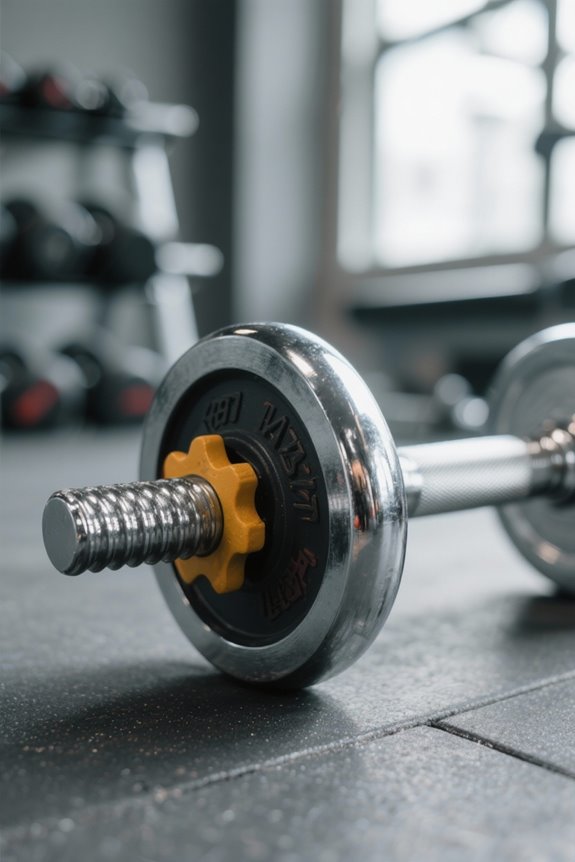
Professional fitness equipment product photography showcasing premium dumbbells on a minimalist gradient backdrop. Captured with Canon EOS R5 and RF 50mm f/1.2L lens at f/2.8, featuring dramatic studio lighting that emphasizes the sleek metallic finish and ergonomic grip design. Sharp focus highlights the precision engineering and quality craftsmanship of these unilateral training tools. Soft shadows create depth against the clean, vibrant background. Commercial-grade composition demonstrates the equipment’s versatility for single-arm exercises, muscle imbalance correction, and functional strength development. 4K resolution captures every detail of this essential strength training equipment.
# The Benefits of Unilateral Training With Dumbbells
Unilateral training with dumbbells offers numerous benefits for improving strength and balance. It taps into cross-education effects to enhance neural efficiency in untrained limbs and corrects muscle imbalances by strengthening weaker sides with isolation exercises. This training style increases core activation and improves stability, important for athletic performance and injury prevention. We can use it for varied training routines, ensuring optimal muscle growth and efficient load management. With these benefits, there’s much more to explore.
Key Takeaways
- Unilateral training with dumbbells increases strength in both trained and untrained limbs through neural adaptations and cross-education effects.
- It corrects muscle imbalances by targeting and strengthening weaker sides, promoting balanced muscular development.
- Unilateral exercises enhance core activation and stability, improving posture and reducing the risk of injury.
- They boost athletic performance by improving neuromuscular control, joint stability, and reducing injury risk.
- Dumbbells in unilateral training manage loads efficiently, revealing imbalances and optimizing muscle growth for symmetrical development.
Understanding Cross-Education Effects
When we dive into the fascinating world of cross-education effects, we’re exploring how unilateral training can significantly strengthen the opposite, untrained limb through complex neural interactions. By engaging in unilateral strength exercises, we tap into neural pathways that connect both sides of the body. This neural “spillover” recruits motor units in the untrained limb, despite only exercising the opposite side. It’s amazing how these neural adaptations, occurring in the central nervous system, especially within premotor and motor cortical areas, lead to strength gains of about 8-12% in the untrained limb. The adaptations include lower recruitment thresholds and increased discharge rates of motor units. This process highlights the remarkable ability of our bodies to enhance strength without directly exercising the muscle. Adding adjustable ankle weights during unilateral exercises allows for customizable resistance levels that can progressively challenge these cross-education neural pathways as strength improvements occur.
Correction of Muscle Imbalances

Correcting muscle imbalances is crucial not only for optimal performance but also for injury prevention, and unilateral training plays a pivotal role in this process. By isolating each limb, we can prevent stronger side dominance, which is common in bilateral exercises. This precise strength assessment allows us to identify and address side-to-side differences in muscle symmetry that often go unnoticed. Through exercises like single-leg Romanian deadlifts and one-arm dumbbell rows, we can target and strengthen the weaker side, promoting balanced muscular development and reducing asymmetry. Consistent unilateral work facilitates better muscle symmetry and may lower injury risk linked to uneven strength distributions. Resistance bands can also assist with rehabilitation from injuries while providing adjustable resistance levels to accommodate progression during the muscle balancing process. Emphasizing these focused strategies ensures a more balanced, effective, and safe training regimen.
Enhancing Core Activation

Unilateral training, a vital component in enhancing core activation, demands our full attention due to its multifaceted benefits. Through core engagement techniques, we can achieve greater activation compared to bilateral movements. Unilateral exercise variations, like single-arm presses and farmer’s carries, force our core muscles to stabilize against rotational and lateral forces, enhancing midline stability. These exercises require isometric contractions to maintain an upright posture under asymmetrical loads, engaging deeper stabilizers and improving postural control. As we incorporate such variations, our core resists unwanted movements, effectively strengthening functional core strength. The increased core muscle recruitment from these exercises supports better posture, reduces injury risk, and enhances dynamic balance. To maximize safety and performance during these demanding unilateral movements, consider using quality knee sleeves that provide compression and stability for optimal joint support. Let’s embrace these unilateral movements for a stronger, more stable core.
Improving Balance and Stability

As we build on the core activation benefits, it’s important to focus on improving balance and stability with unilateral training. By incorporating balance drills and stability exercises, we can significantly enhance our stabilizer muscles, which are often underutilized in bilateral workouts. Single-limb movements, like single-leg squats, demand greater stability, engaging the glute medius, foot, ankle, and calves. These exercises not only refine neuromuscular efficiency but also aid in correcting muscle imbalances, reducing injury risk. The adductors, vital for stabilization, are activated, helping us maintain better balance. Moreover, this training can be particularly beneficial for those facing balance-related issues, as it fosters improved functional strength and coordination. Unilateral exercises prepare us for real-life movements, ensuring balanced strength distribution. To further enhance these stabilization benefits, incorporating fabric resistance bands during unilateral movements can provide adjustable resistance levels that target key muscle groups while maintaining the non-slip functionality essential for balance-focused exercises.
Boosting Athletic Performance
When it comes to boosting athletic performance, focusing on unilateral training can be a game-changer. Unilateral exercises enhance neuromuscular control, which is crucial for sports performance. By training one limb at a time, we recruit more motor units and increase nerve impulse frequency, leading to superior muscle activation. This results in improved single-limb strength and power, essential for movements like jumping and changing directions. Additionally, unilateral training corrects strength imbalances, reducing injury risks by preventing asymmetric loading. It ensures that both limbs are equally prepared for sport-specific demands, enhancing resilience during competition. Moreover, the cross-education effect strengthens the non-working side, promoting symmetrical skill development. For athletes performing demanding unilateral exercises like single-arm dumbbell rows, lifting straps can provide essential wrist support and enhanced grip strength to maximize training effectiveness. Ultimately, these exercises optimize our athletic power and execution in various sports contexts.
Specificity in Training Adaptations
Boosting athletic performance through unilateral training lays the groundwork for understanding the specificity in training adaptations. We see that unilateral training truly excels in movement specificity, tailoring neuromuscular adaptations to single-limb power tasks. This specificity closely matches the demands of many sports, where dynamic coordination and single-limb actions are key. It encourages patterns that mirror sport-specific movements, enhancing motor control and refining technique. As stabilizing muscles like the core and hamstrings engage more due to the smaller support base, joint stability improves. This leads to better dynamic balance and proprioceptive feedback compared to bilateral exercises. By focusing on isolated muscle activation, unilateral training drives muscle fiber recruitment and corrects imbalances, ensuring balanced muscular development across limbs. Similar to how specialized equipment enhances technique improvement in combat sports, unilateral training with dumbbells creates specific neuromuscular adaptations that directly transfer to real-world movement patterns and athletic performance.
Preventing Overuse Injuries
Preventing overuse injuries is crucial for maintaining long-term athletic performance, and unilateral training offers a strategic approach to achieve this. With unilateral variation, we can target each side of the body independently, identifying and correcting muscular imbalances that often lead to strain and joint stress. By enhancing strength symmetry, we decrease reliance on our dominant side, preventing overtraining of a single limb. The cross-education effect, where training one limb boosts strength in the opposite muscle, further supports injury prevention. Unilateral exercises, like single-leg squats, also enhance joint stability and proprioception, reducing injury risk during dynamic movements. Core activation during these exercises distributes loads more evenly, protecting joints from excessive strain and contributing to comprehensive injury prevention. To maximize these benefits in your training space, implementing proper kettlebell storage solutions helps maintain an organized environment that supports consistent unilateral workout routines.
Rehabilitation Benefits
Unilateral training with dumbbells offers significant rehabilitation benefits, particularly through the cross-education effect. By training one limb, we can enhance strength and function in the opposite, untrained limb, which accelerates injury recovery. This strategy is especially effective for lower-body muscles, helping us maintain or even improve strength in an injured limb while it heals. Our rehabilitation strategies benefit from targeted isolation, allowing us to focus on specific weaknesses without relying on the stronger side. Adjustable dumbbell weights accommodate different stages of injury recovery, enabling progressive and controlled rehabilitation. Furthermore, unilateral exercises engage our core and stabilizers, improving trunk stability and reducing re-injury risks. Cross-education has been shown to increase strength in the untrained limb by up to 22%. For those with limited space or equipment access, resistance bands can provide an effective alternative for unilateral rehabilitation exercises, offering adjustable resistance levels that minimize joint stress compared to traditional weights.
Neural Adaptations Over Muscle Hypertrophy
Although many people associate strength training with muscle hypertrophy, the real magic of unilateral training often lies in its ability to induce neural adaptations. These adaptations enhance neural efficiency, leading to significant strength gains even in untrained limbs. Through mechanisms like the cross-migration effect, we can experience an approximate 8% increase in strength on the opposite side without noticeable muscle growth. This is due to central neural changes, including heightened motor cortical activity and sensory feedback enhancements. When we engage in high-load resistance or eccentric exercises, neural plasticity is boosted, improving motor control and strength retention. By promoting these neural pathways, unilateral training helps maintain muscle strength in injured areas and corrects muscle imbalances, making it a valuable training method. Adjustable dumbbells provide the perfect tool for implementing unilateral training protocols, allowing you to progressively increase resistance while maintaining proper form and targeting specific strength imbalances between limbs.
Efficient Load Management
When it comes to efficient load management in strength training, using dumbbells for unilateral exercises offers a distinct advantage. By isolating one limb, we can ensure even development and prevent reliance on our dominant side. Each limb independently manages the load, uncovering any strength or endurance imbalances to be corrected. This isolation minimizes compensatory actions, reducing the risk of overuse injuries. What’s more, unilateral exercises generally use lighter absolute weights, making progression safer, especially during rehab or for those who are deconditioned. With reduced axial loading, our spines face less mechanical stress compared to barbell lifts, making unilateral training a joint-friendly option. By managing each limb’s load separately, we achieve precise strength gains and enhanced muscular balance. Additionally, incorporating adjustable risers can further enhance unilateral dumbbell training by providing customizable height levels for exercises like step-ups and single-leg movements.
Targeted Muscle Activation
Targeted muscle activation in unilateral training isn’t just a buzzword; it’s where we truly see the benefits of isolating one side of the body at a time. By focusing on limb isolation, we engage more muscle fibers, especially in stabilizers like the gluteus medius and core muscles, than bilateral exercises can. This heightened muscle recruitment is key. With unilateral movements, we’re recruiting stabilizer muscles to maintain balance, leading to greater overall muscle activation. Not only does this help correct muscle imbalances, but it also enhances neuromuscular control. Even with lighter weights, the demand on these muscles is significant, ensuring efficient and effective workouts. Ultimately, we’re optimizing our body’s performance and stability, making unilateral training a powerful tool.
Optimizing Muscle Growth
If we want to truly maximize muscle growth, incorporating unilateral training with dumbbells is a game-changer. By focusing on exercise variations, we can target specific muscles more effectively, ensuring balanced development. Unilateral exercises isolate each limb, allowing us to detect and correct muscle imbalances, which is crucial for symmetrical hypertrophy. By varying our training frequencies, we can optimize adaptation, stimulating muscle growth efficiently. The enhanced neuromuscular coordination and stability gained from unilateral work further supports hypertrophy. With each isolated movement, our core and stabilizer muscles engage more, leading to improved movement patterns. Additionally, the cross-education effect provides neural adaptations, indirectly boosting muscle recruitment on the non-trained side. This comprehensive approach ensures all muscle groups grow evenly.
Enhancing Rate of Force Development
In our quest to maximize muscle growth, we can’t overlook the significance of enhancing the rate of force development. Unilateral training with dumbbells plays a crucial role in this area by boosting neural efficiency and dynamic strength. By stimulating our nervous system, unilateral exercises increase neural activation, leading to better muscle fiber recruitment, especially the fast-twitch kind, which rapidly enhances force generation. This type of training also improves neuromuscular coordination, allowing each limb to handle tasks requiring stability and balance, critical for explosive power. The specificity of these exercises means we can target particular muscle groups more effectively, thus enhancing their rate of force development. Through these mechanisms, unilateral training enables us to achieve greater overall power and performance.
Addressing Movement Asymmetries
Addressing movement asymmetries is crucial for achieving balanced strength and preventing injuries, and unilateral training with dumbbells proves instrumental in this pursuit. By focusing on unilateral exercises, we can target isolated limb development, reducing unnoticed asymmetries often present in bilateral lifts. This training approach prevents stronger side dominance and compensatory movement patterns, which lead to imbalanced strength. When we address strength deficits—like one arm unlocking before the other during pressing—we improve overall performance. Additionally, unilateral exercises enhance neuromuscular coordination specific to each limb, promoting efficient movement. Studies show this method mitigates overuse injuries caused by repetitive compensations. By honing our body awareness and motor control, we can identify and correct imbalances in mobility and strength, ensuring safer, more effective workouts.
Diversifying Training Stimuli
Unilateral training with dumbbells offers a diverse range of stimuli that keep our workouts fresh and engaging. By focusing on one side at a time, we can maximize muscle activation and motor unit recruitment, which isn’t as effective in bilateral training. This variety helps us overcome neural limitations seen in bilateral movements, leading to enhanced muscle strength and endurance. Moreover, unilateral exercises create unique neuromuscular challenges, reducing the risk of plateaus and preventing overuse injuries. By balancing workload across both sides, we not only lower injury risks but also identify and correct muscular weaknesses. This approach supports sustainable training, as diversifying stimuli refines movement patterns and closes asymmetry gaps. Ultimately, the training variety in unilateral versus bilateral exercises significantly benefits our overall fitness.
Frequently Asked Questions
How Often Should I Perform Unilateral Dumbbell Training Each Week?
We should perform unilateral dumbbell training 2-4 times weekly, ensuring muscle groups have proper recovery time. It’s crucial to balance intensity and frequency based on our experience level, goals, and recovery capacity for optimal gains.
What Are the Best Unilateral Dumbbell Exercises for Beginners?
We’d recommend starting with goblet squats, suitcase lunges, and single-leg Romanian deadlifts for lower body. For upper body, try single-arm overhead presses and rows. These exercises showcase dumbbell versatility while building solid beginner technique.
Can Unilateral Training With Dumbbells Improve Cardiovascular Fitness?
Unilateral training with dumbbells isn’t primarily for cardio, but it can indirectly support cardiovascular health. For example, resistance training can reduce resting blood pressure by up to 5 mmHg, improving balance and efficiency in daily activities.
Are There Specific Warm-Up Routines for Unilateral Dumbbell Workouts?
Yes, we should focus on specific mobility and dynamic stretches like cat-cow and inchworm for our warm-ups. These target stabilizer muscles, enhancing our body’s readiness for the asymmetrical load during unilateral dumbbell workouts.
How Do I Choose the Right Dumbbell Weight for Unilateral Training?
We should start by choosing a dumbbell weight that supports controlled movements. Focus on weight progression by gradually increasing as our stability and strength improve. Opt for weights that challenge us without compromising form or balance during unilateral exercises.


