As an Amazon Associate, we earn from qualifying purchases. Some links on this site are affiliate links at no extra cost to you. Our recommendations are based on thorough research and editorial judgment.


Mechanical Drop Sets Using Adjustable Bench Positions

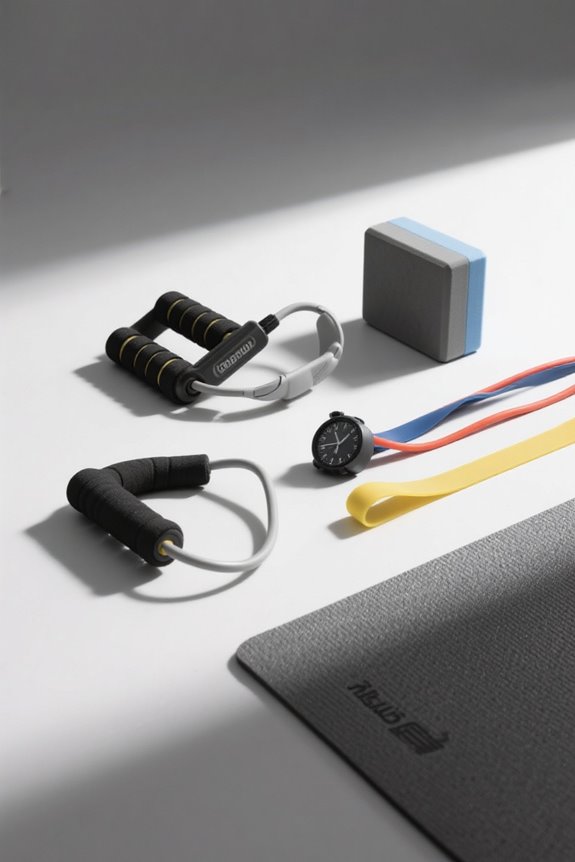
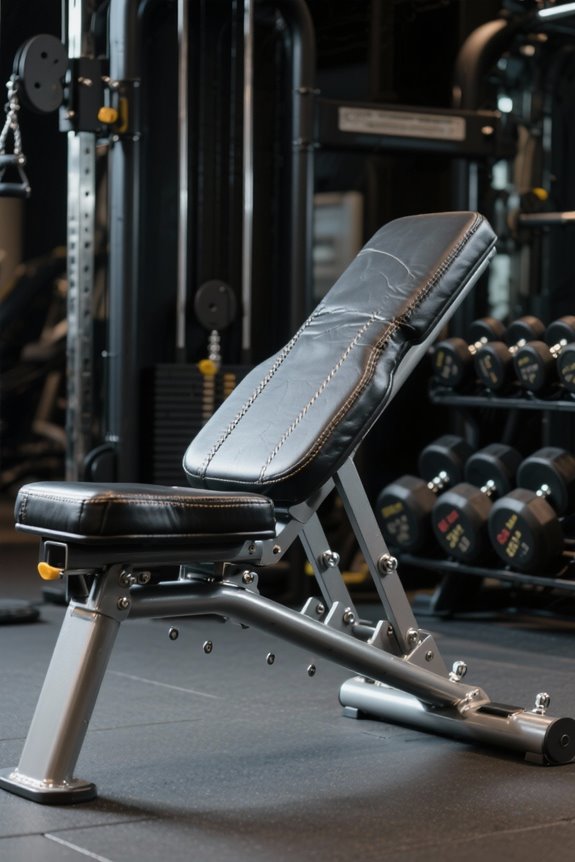
Professional fitness equipment photography captured on Canon EOS R5 with RF 50mm f/1.2L lens at f/2.8. Features premium adjustable weight bench with multiple incline positions, chrome quick-pin adjustment mechanisms, and heavy-duty steel frame construction. Accompanying equipment includes selective dumbbells arranged in descending weight progression, displayed on pristine white seamless backdrop. Dramatic studio lighting creates depth with soft shadows, highlighting the bench’s padded vinyl upholstery and precision-engineered adjustment points. Commercial-grade composition emphasizes mechanical functionality and professional quality construction details in stunning 4K clarity with vibrant color accuracy.
# Mechanical Drop Sets Using Adjustable Bench Positions
Mechanical drop sets, utilizing adjustable bench positions, allow us to push beyond muscle fatigue by shifting angles, maximizing muscle recruitment without lowering weights. With benches offering up to 12 backrest positions, we can target different muscle areas: inclines (30° to 45°) for upper pectoralis and anterior deltoids, and declines for lower pectoralis. This method enhances efficiency, making each workout more effective by altering grip or position rather than weight. Let’s explore how this can transform our routine.
Key Takeaways
- Adjustable benches enable varied exercise angles, enhancing mechanical drop set effectiveness by targeting different muscle fibers.
- Bench angle adjustments create mechanical advantages, allowing fatigue management without reducing weight during mechanical drop sets.
- Incline angles (30°-45°) during mechanical drop sets boost upper pectoralis and anterior deltoid activation.
- Decline angles (-25° to -30°) focus on lower pectoralis activation, optimizing muscle recruitment in mechanical drop sets.
- Mechanical drop sets using adjustable benches improve training efficiency by engaging multiple muscle groups within limited gym time.
Understanding Mechanical Drop Sets
When it comes to understanding mechanical drop sets, there’s a fascinating blend of strategy and science at play. We maintain the same weight across variations, which lets us manage fatigue while enhancing muscle recruitment. By shifting grips or adjusting bench angles, we gain a mechanical advantage, allowing us to push beyond initial muscle failure. This approach, unlike traditional drop sets, doesn’t lighten the load but adapts the exercise mechanics.
Using adjustable benches, we can fine-tune our positioning—standing shoulder press transitions to incline and then flat dumbbell press. Each shift makes the movement mechanically easier, helping us extend time under tension. This strategic transition, performed swiftly within 10 seconds, ensures sustained muscle engagement and optimized fatigue management, reinforcing our workout goals effectively. The effectiveness of this technique is enhanced when using adjustable dumbbells with quick-change mechanisms, as they allow for seamless transitions between different bench positions without interrupting the flow of the mechanical drop set.
Benefits of Mechanical Drop Sets for Muscle Growth
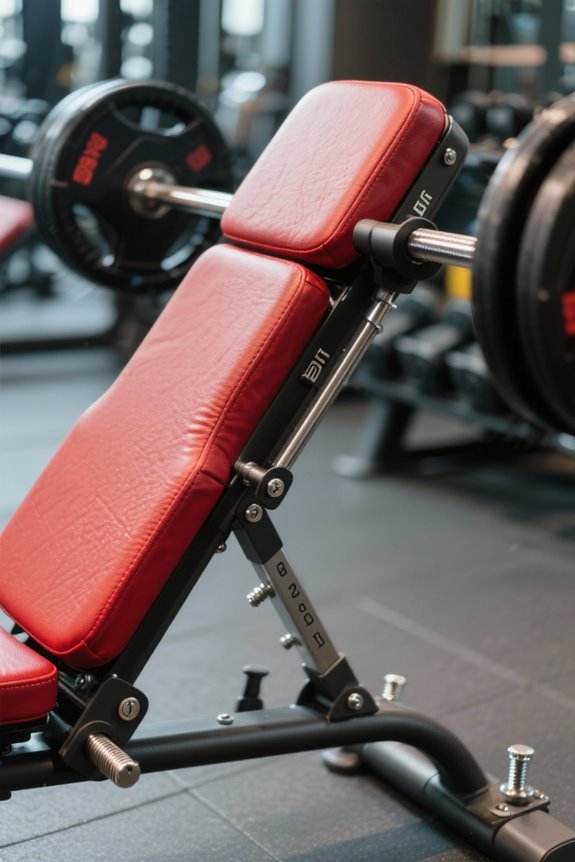
Building on our understanding of mechanical drop sets, it’s clear that their benefits for muscle growth are substantial. By incorporating muscle hypertrophy principles, drop sets maximize training efficiency, allowing us to achieve similar muscle size increases as traditional sets but in significantly less time. This method enhances metabolic stress and recruits high-threshold motor units, both crucial for muscle adaptation and growth. The ability to target various rep ranges means we stimulate different muscle fibers, ensuring comprehensive development. Additionally, drop sets allow for increased volume, distributing stress more evenly and promoting overall muscle growth. For those seeking to optimize their workouts, this approach offers a powerful, time-efficient strategy to boost both strength and endurance, aligning perfectly with our fitness goals. Adjustable dumbbells with quick-change technology make implementing mechanical drop sets seamless, allowing weight transitions in as little as one second to maintain workout intensity.
The Role of Adjustable Benches in Mechanical Drop Sets
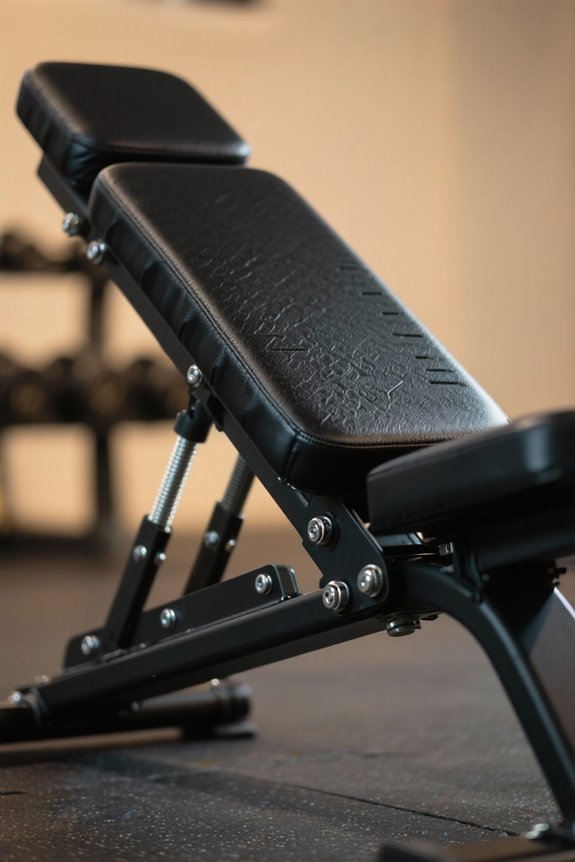
Adjustable benches play a pivotal role in enhancing the effectiveness of mechanical drop sets, offering flexibility and precision that cater to various fitness goals. With their bench stability and efficient load management, these benches allow us to modify exercise angles, maintaining high intensity without constantly adjusting weights. By altering bench inclination, we can shift leverage, making exercises more manageable while preserving the training stimulus. This adaptability extends our sets, enabling seamless transitions between different exercise variations without changing equipment. As we adjust the bench, we facilitate multiple muscle-targeting variations within a single set, ensuring continuous tension and muscular engagement. Modern adjustable benches offer up to 12 backrest positions, providing precise angle modifications that allow for seamless mechanical drop set progressions. Thus, adjustable benches not only improve workout flow and efficiency but also contribute significantly to safety and effectiveness during high-intensity training phases.
How Bench Angle Adjustments Impact Muscle Activation
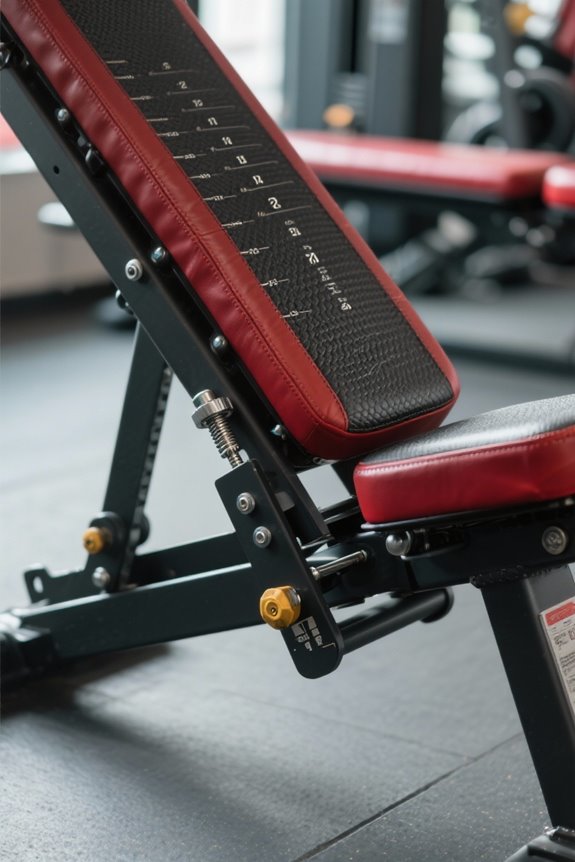
In our exploration of mechanical drop sets, we’ve recognized the significant role of adjustable benches in optimizing workout efficiency and safety. The bench angle effects play a crucial part in muscle recruitment, directly influencing which muscle fibers are activated. For instance, a horizontal bench optimizes overall pectoralis major activation, engaging both upper and lower heads evenly. Incline angles, between 30° and 45°, enhance upper pectoralis and anterior deltoid activation, while decline angles, around -25° to -30°, target the lower pectoralis more effectively. Interestingly, triceps activation remains consistent across angles but slightly increases with incline pressing. These variations in muscle recruitment patterns help us tailor our workouts, allowing for strategic fatigue management and maximizing hypertrophy outcomes through nuanced bench positioning. Modern adjustable benches like the FLYBIRD can provide up to 144 positions ranging from -30 to 90 degrees, offering the precise angle adjustments needed for effective mechanical drop sets.
Examples of Mechanical Drop Set Variations
When exploring the versatility of mechanical drop sets, we find that they offer an incredible range of variations to target muscle groups effectively, catering to different training goals. For instance, exercise progression through grip changes can prevent muscle fatigue. Starting with a pronated grip in bicep curls, we can shift to a neutral, then supinated grip, maintaining load while easing leverage. Another method involves exercise variation within the same muscle group, like transitioning from a shoulder press to an incline dumbbell press, and finally a flat dumbbell press, all with the same weight. Each shift in movement pattern reduces the mechanical load, allowing us to push beyond initial fatigue. These strategies enhance endurance and maximize muscle engagement without extra weight.
Execution Tips for Effective Mechanical Drop Sets
Although mechanical drop sets can be challenging, they offer an efficient way to maximize muscular engagement when executed with precision. Our execution strategies begin with selecting a weight allowing near-failure within 6-12 reps, ensuring consistent muscle tension through all exercise variations. By applying load adjustments, we maintain the same weight, focusing on good form across different range-of-motion or leverage changes.
Transitioning seamlessly between exercises, from most to least demanding, extends time under tension and maximizes fatigue. We prioritize maintaining proper form, controlling tempos, and keeping muscle focus to prevent compensations. Managing fatigue involves adequate rest intervals and limiting sets to 1-2 per muscle group. Bench positions—adjusted from high incline to flat—further reduce effort, enhancing our workout’s effectiveness. Quality adjustable weight benches with multiple position settings enable smooth transitions between angles, allowing for precise mechanical advantage adjustments throughout the drop set sequence.
Considerations for Implementing Mechanical Drop Sets
Without a doubt, implementing mechanical drop sets requires careful consideration and strategic planning to maximize their benefits. When we choose exercise variations, it’s crucial to maintain mechanical leverage by selecting 3-4 exercises that target the same or related muscles. This ensures continued activation despite fatigue, using grip or angle changes to adjust mechanical advantage without altering weight. Exercise safety is paramount, so maintaining proper form and avoiding compensatory movements is essential to reduce injury risk. By prioritizing controlled movements and adequate warm-ups, we prepare our bodies for the intense workload. Mechanical drop sets demand more neurological adaptation than traditional sets, which means careful fatigue management is key. Let’s ensure our approach is both safe and effective, maximizing hypertrophy and strength gains. Additionally, having elastic wraps readily available can provide crucial support for joints during these intensive training sessions, helping to maintain proper form and reduce the risk of sprains or strains.
Comparing Mechanical Drop Sets to Traditional Drop Sets
Comparing mechanical drop sets to traditional drop sets reveals distinct approaches that offer unique benefits and applications in strength training. Mechanical sets involve altering exercise mechanics, like grip or position, to shift muscle activation, offering an alternative to pure load reduction. They excel in managing fatigue by varying recruitment patterns, potentially enhancing muscular endurance. On the other hand, traditional drop sets reduce weight in steps, maintaining the same movement to push muscles closer to failure.
In terms of strength comparison, both methods yield similar gains despite differences in load and rest intervals. Mechanical drop sets, with their biomechanical changes, provide efficient fatigue management, reducing training time and equipment adjustment. This time efficiency, coupled with varied muscle recruitment, supports effective strength adaptation in shorter sessions. For optimal training comfort and joint protection, consider using high-quality interlocking gym mats that provide adequate cushioning and shock absorption during intense workout sessions.
Overcoming Common Challenges in Mechanical Drop Sets
When tackling mechanical drop sets, overcoming common challenges is essential for maximizing their benefits in strength training. First, let’s focus on warm up techniques. A thorough warm-up enhances flexibility and muscle readiness, preventing strains and ensuring muscles are responsive. Without it, poor form and reduced performance can occur. Now, onto exercise progression. Selecting the right exercises and weights is crucial; weights should be challenging yet manageable, allowing us to reach near failure on the first variation. This ensures effective mechanical advantage adjustments. Proper form and consistent target muscle engagement prevent injury and promote desired hypertrophy. By maintaining continuous tension and managing repetition ranges, we achieve the muscle fatigue necessary for growth. Incorporating resistance bands into your warm-up routine can provide additional muscle activation and help establish proper movement patterns before transitioning to heavier mechanical drop set variations. With these strategies, mechanical drop sets become a powerful tool in our training arsenal.
Frequently Asked Questions
Can Mechanical Drop Sets Be Performed Without an Adjustable Bench?
Yes, we can perform mechanical drop sets without an adjustable bench. Like artists with a versatile palette, we use unilateral exercises and bodyweight variations to creatively adjust leverage and mechanics, ensuring effective workouts despite equipment limitations.
How Do Mechanical Drop Sets Affect Recovery Compared to Straight Sets?
Mechanical drop sets generally lead to greater muscle fatigue and increased workout intensity, requiring longer recovery than straight sets. While both techniques can boost hypertrophy, drop sets’ intensity may extend recovery, especially when involving compound movements.
Are Mechanical Drop Sets Suitable for Rehabilitation Purposes?
Like a sculptor chiseling a masterpiece, we find mechanical drop sets highly suitable for rehabilitation. They offer effectiveness by adjusting equipment to match recovery phases, enhancing muscle function while minimizing joint strain, thus optimizing healing progress.
What Safety Precautions Should Be Taken During Mechanical Drop Sets?
We should ensure proper form and equipment stability during mechanical drop sets. Check all pins and locks, engage weights securely, and focus on maintaining strict form to prevent injury. Always prioritize safety and adjust settings for ergonomic alignment.
How Do Mechanical Drop Sets Impact Cardiovascular Fitness?
Mechanical drop sets enhance cardiovascular fitness by elevating intensity levels, leading to increased heart rates and calorie burn. While not a substitute for traditional cardio, they offer cardiovascular benefits through metabolic stress and improved work capacity.